



Introduction
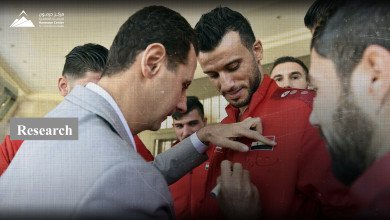
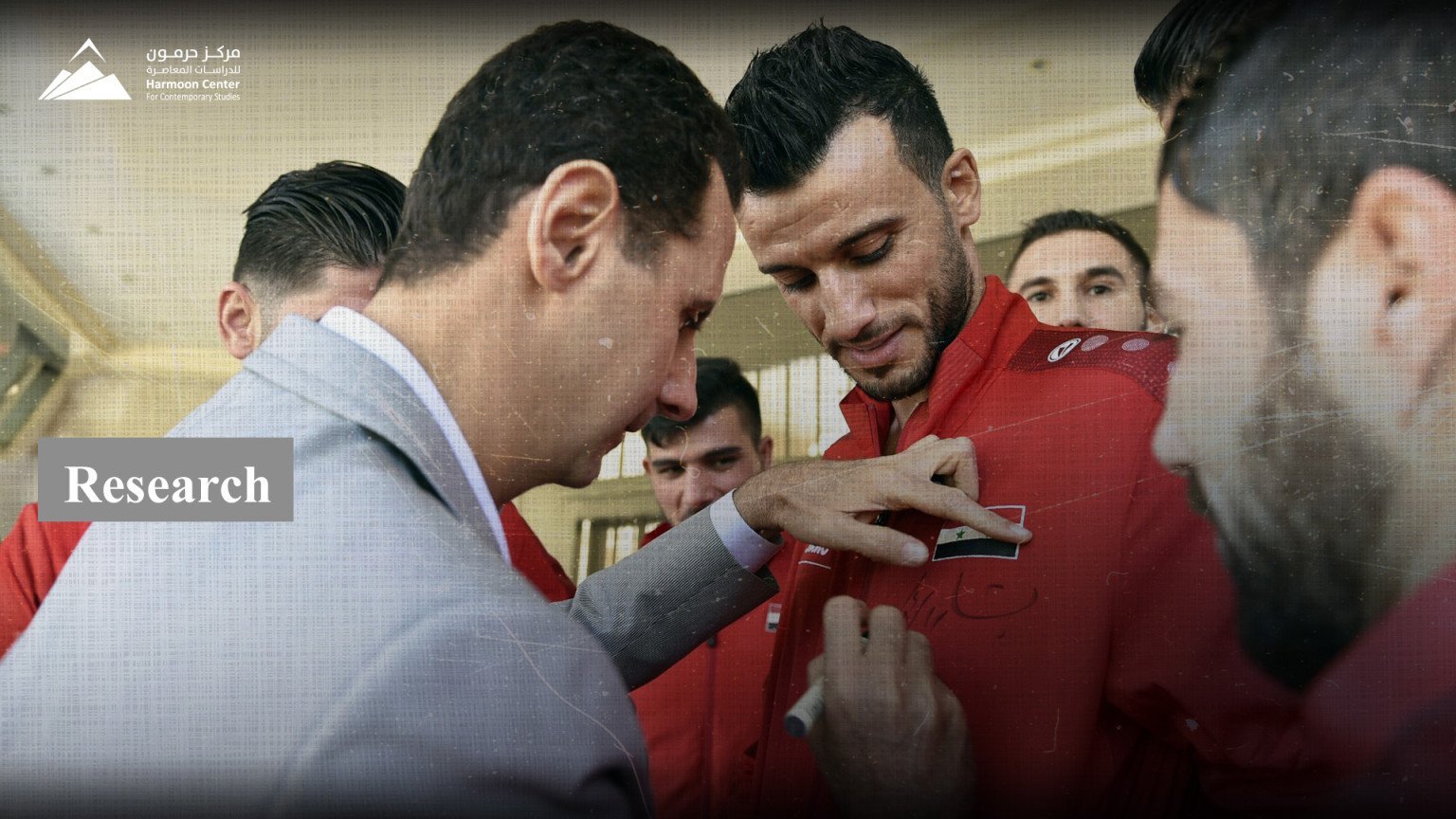
This paper analyses the role of the Syrian national football team as a symbol of identity in the Syrian diaspora. It seeks to explore whether the team represents a unifying or a dividing image among Syrians abroad. National teams represent states on an global stage, and as such are often seen as symbols of national unity and pride. However, in cases where national identity is contested or fragmented, national teams can reflect these divisions. This is the case of post-2011 Syria. The brutal repression of peaceful opposition carried out by the regime and the following eruption of a full scale conflict divided Syrian society along old and new cleavages. The conflict also led to mass migration from the country. An estimate of 7 million Syrians left in the 2011-2017 years, in addition to over 6 million internally displaced. This paper focuses on the Syrian diaspora and its relation to the national football team. The Syrian regime has often sought to use football for its political aims, particularly when the team performed well on the football pitch, such as during the 2018 World Cup qualifying campaign. Has this ‘appropriation’ alienated sectors of society that are less supportive of the Syrian regime? At the same time, the Qasioun Eagles (nickname of the national football team) have suffered a long ‘exile’ of their own, having been forced to play several of its official matches outside of Syria in far distant Malaysia. This trajectory has somehow mirrored the one of the Syrian diaspora, many of whose members have been forced to leave their country due to the fighting and the economic and political collapse of the country. This study will analyse the relationship between the Syrian diaspora and the national football team through engagement with the literature and through a survey circulated among Syrians abroad. These interviews will aim to explain the relationship between political identity and support for the national football team.
This article is divided into six sections. Section two briefly addresses the relevant literature, before discussing aim and methodology of the study. Section three engages with the relation between football and national identity, while section four discusses the case of Syria and its national football team. Section five presents the results of the survey carried out for the study. Section six analyses the results of the survey in relation to the overall argument of the paper and contains some concluding remarks.
You can read the entire study by clicking on the “Download” tab.