


مركز حرمون للدراسات المعاصرةمركز حرمون للدراسات المعاصرة
  • About Us
    • About Us
    • Research team
    • Center’s brochure
  • Publications
    • Research
    • Reports
    • Policy Analysis
    • Situation Assessment
    • Case Analysis
    • Articles
  • Activities
    • Conferences
    • Center News
  • Media
    • Analytical Maps
    • Infograph
    • Videos
×
مركز حرمون للدراسات المعاصرةمركز حرمون للدراسات المعاصرة
بحث
  • About Us
    • About Us
    • Research team
    • Center’s brochure
  • Publications
    • Research
    • Reports
    • Policy Analysis
    • Situation Assessment
    • Case Analysis
    • Articles
  • Activities
    • Conferences
    • Center News
  • Media
    • Analytical Maps
    • Infograph
    • Videos
Follow US
جميع الحقوق محفوظة لمركز حرمون للدراسات © 2023

Impact of the Energy Crisis on Living Conditions and Social Behavioral Patterns in Syria’s Regime-Controlled Areas

Harmoon Center for Contemporary Studies

Harmoon Center for Contemporary Studies

Published 2 February ,2023
  Download Article
Share
SHARE

Dr. Talal Mustafa

Mr. mohammad sarem

Executive Summary

Syria is currently divided into four distinct areas of control, each run by its own illegitimate government: the Syrian regime backed by Russia and Iran; the Kurdish PYD forces in northeastern Syria backed by the United States; Hay’at Tahrir al-Sham (formerlyal-Nusra), classified as a terrorist organization; and the Turkish-backed Ntional Army factions.

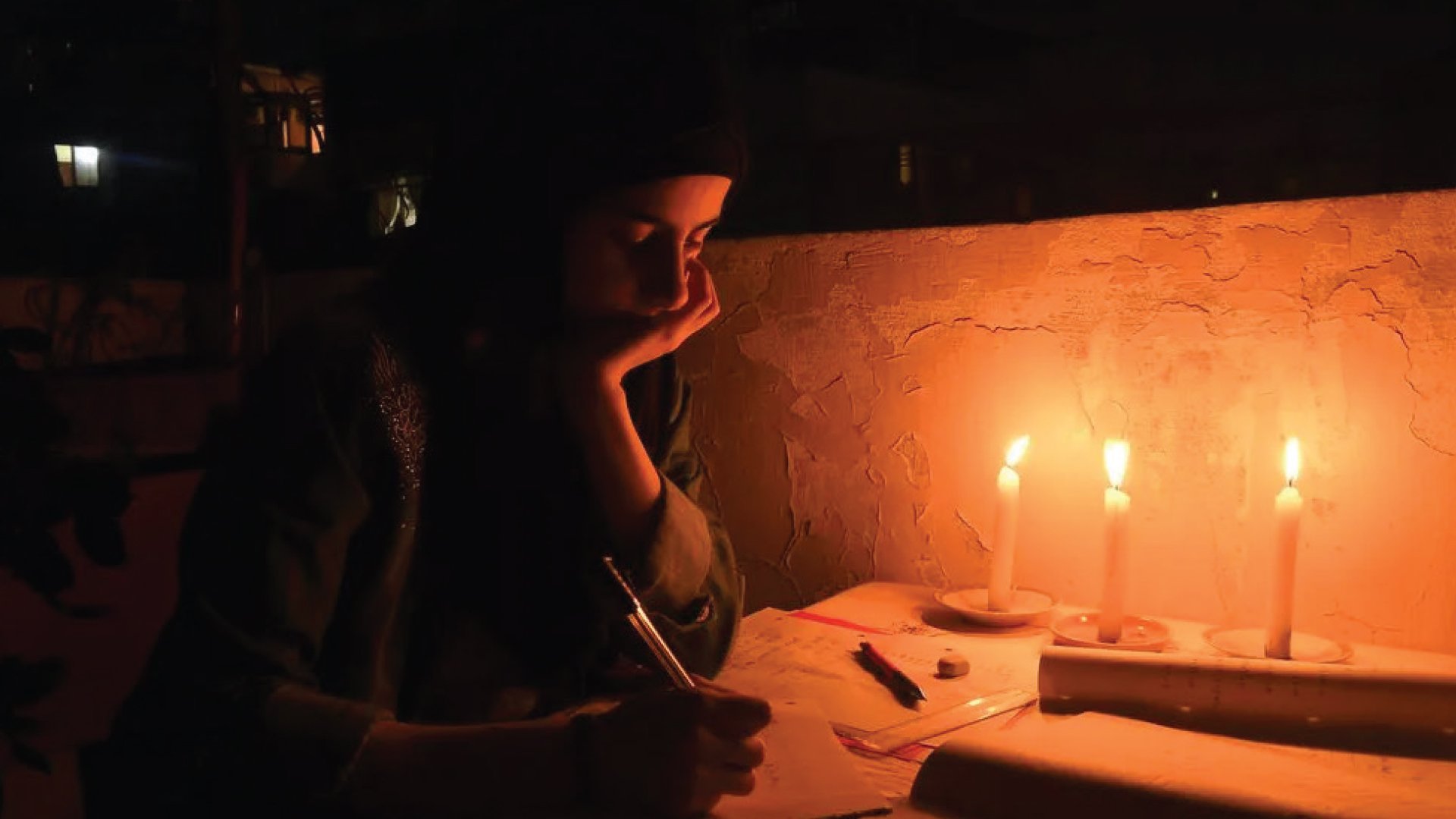
The most crucial repercussion of these divisions and conflicts is the ongoing energy shortage. This is worst in regime-controlled areas; the other areas are faring better because they either rely on domestic production, such as the PYD-controlled area, or import fuel from Turkey or the PYD-controlled area. Meanwhile, Iran supplies the regime with one million barrels of oil per month, an amount that meets only part of its energy needs. As energy shortages and rationing intensify, and shares of fuel allocated to individuals and families needed to perform necessary life functions decrease, gradual shifts in lifestyles have emerged dictated by severe conditions and forced adaptation.The energy crisis, which has been escalating in a clear pattern since 2012, is caused by the regime’s inability to secure enough energy. The Syrian government controls energy distribution through three main mechanisms: reducing the quantities and quotas granted to individuals and institutions, controlling distribution mechanisms and dates, and raising official and unofficial prices of oil derivatives. The energy crisis has led to severe rationing and a decrease in the allocations granted by the regime to individuals and institutions, and Syrians began to struggle daily to secure their energy needs. The weaker sections of society were forced o reduce their consumption of oil derivatives due to high prices — official and unofficial — and the dramatic decrease in availability.

For this study, we conducted 200 field interviews addressing the energy crisis and its impact on Syrian society in regime-controlled areas, specifically Damascus and Hama. Only 3.5% of the participants stated that they received enough fuel.

Of those without sufficient fuel, 37.5% said their main source of fuel came through the “smart card” — the mechanism for official allocations or rations — knowing that the smart Executive Summary Harmoon Center For Contemporary Studies 7 card covers less than 10% of the needs of a single family. Rechargeable batteries were the most popular alternative at 56.5%, followed by black market fuel at 20%, while 19% of the respondents could not afford any alternative fuel source. Solar panels were used by 9.5%, followed by firewood at 8.5%, kerosene burner stoves at 4.5%, and electricity generators at 1.5%.

You can read the entire study by clicking on the “Download” tab.

  Download Article

TAGGED: Syria ، Syrian Regime
Share this Article
Facebook Twitter Copy Link Print
Share

Author's articles

Latest changes in the structure of the Syrian regime: motives and objectives

The Baath Party and Power in Syria: Correlation of Power and Destiny

Israeli Raids on Syria: Controlled Escalation

Leave a comment

Leave a Reply Cancel reply

Your email address will not be published. Required fields are marked *

Previous Article Theoretical Limitations in Understanding Intra-State Conflict and Violence: Syria as a Case Study
Next Article Elections in Turkey: A New Policy and the Return of Syrians

You Might Also Like

Harmoon Centre Monitoring Report, May 2025

The reality on the ground for governance and administration has continued to improve throughout May. The Transitional Justice Council has been created, and was initially directed to prepare internal governing principles and general working policies....

1 July ,2025

Geopolitics of Aid in Northwest Syria: How Donor Politics Shaped the Aid Landscape Before Assad’s Fall

The Syrian conflict created a devastating humanitarian crisis, with Northwest Syria (NWS) emerging as a critical arena for international aid....

Fateh Shaban

Fateh Shaban

30 June ,2025

Syria’s Energy Challenge: Security and Reconstruction

The end of international sanctions has removed a significant burden weighing on the shoulders of Syria - a burden that has long thwarted the country’s path to economic recovery, and the revitalisation of its social and economic sectors. And yet, numerous challenges continue to hamper Syria’s path to reconstruction and lasting stability.

25 June ,2025

Subscribe to the Newsletter


  • Harmoon Center
  • Vision & Mission
  • Careers
  • Center’s brochure
  • Contact Us
  • Staff Members
All rights reserved to Harmoon © 2024
certifiedISO27001 certifiedISO9001

Removed from reading list

Undo
Welcome Back!

Sign in to your account

Lost your password?