


Abstract
The Syrian conflict created a devastating humanitarian crisis, with Northwest Syria (NWS) emerging as a critical arena for international aid. This aid, however, was not merely a humanitarian effort but a geopolitical instrument profoundly shaped by the competing agendas of international and regional powers. This article investigates how the geopolitical interests of international actors affected aid provision to NWS between 2011 and 2024. Drawing on a qualitative methodology, including semi-structured interviews and roundtable discussions with 22 aid practitioners in Gaziantep and Istanbul, this study analyses how macro-level geopolitics manifested in micro-level operational realities. The findings reveal that aid was systematically influenced by several factors: the waning legitimacy of the Syrian opposition and the political normalization with the Assad regime, which redirected funding away from NWS; the erosion of the UN cross-border aid mechanism due to great-power rivalries; the politicization of aid by donor states, which tied funding to political objectives; and the operational constraints created by international sanctions and Turkey’s dual role as a humanitarian gateway and political arbiter. The study concludes that unless these politically entangled approaches are abandoned in favor of transparent, needs-based, and locally-owned strategies, the future reconstruction of Syria risks repeating the failures of the past.
1. Introduction
The Syrian revolution began in 2011 with demands for democratic reform to end Bashar al-Assad’s rule, but it escalated into a devastating, internationalized conflict that reshaped regional geopolitics (Slim and Trombetta, 2014; Phillips, 2020). Although opposition forces controlled approximately 80% of Syria’s territory by 2016 (Jusoor, 2016), the regime later reclaimed much of this land with the support of its allies. Consequently, by 2020, the country had been partitioned into three main zones of control: the Northwest, held by opposition forces; the Northeast, administered by the so-called Syrian Democratic Forces in alliance with the Global Coalition against ISIS; and the remaining areas, which stayed under the control of the Assad regime (Shaban and Mahmoud, 2024).
The conflict in Syria constituted a devastating humanitarian crisis that affected all areas of Syrian society. The destruction brought about by the war impacted the country as a whole, particularly the opposition-controlled areas in the northwest (Women, 2016; Shaban, 2020). There were massive influxes of internally displaced people towards NWS, leading to pressure on resources, spread of camps, and a severe lack of aid to meet the combined needs of the local population and the displaced population. As a result of this crisis, NWS emerged as a critical arena for humanitarian intervention, characterized by acute needs and complex political dynamics., The international community therefore provided aid to Syrians in the area. This aid increased dramatically between 2011 and 2024, yet there was a lack of clear donor strategies throughout (Furness, 2020). Despite anticipated ongoing aid to Syria, the impacts of international aid remain inadequately evaluated (Wood and Sullivan, 2015, p.764) and the academic debate on whether it promotes or hinders development persists (Mikolajuk, 2005; Moyo, 2010; Finckenstein, 2021; Khaled, 2021).
There is no doubt that international aid contributed to alleviating the suffering of people in NWS. Fragile and conflict-affected contexts became a central policy concern for international development actors (Cliffe et al, 2023). However, the delivery of aid to NWS was profoundly shaped by a volatile geopolitical landscape, where the interests of regional and international powers intersected with local governance structures. Aid provision to NWS was not merely a humanitarian endeavor but a geopolitical instrument shaped by competing international agendas. NWS, a region that endured over a decade of conflict, displacement, and shifting territorial control, exemplified the complex interplay between humanitarian imperatives and geopolitical dynamics.
Syria transitioned from a humanitarian crisis to a geopolitical battleground, where aid flows reflected the strategic priorities of donor states and multilateral institutions. Initially, the Syrian opposition, including groups in NWS, garnered significant support from Western and Gulf states under initiatives like the “Friends of the Syrian People”. This support facilitated substantial aid inflows through mechanisms such as the Assistance Coordination Unit (ACU) and the Syria Recovery Trust Fund (SRTF). However, as the conflict evolved, geopolitical priorities shifted. The waning legitimacy of the opposition on the global stage, coupled with the normalization of relations with the Assad regime by Arab and European states, redirected aid away from opposition-held areas in NWS toward regime-controlled territories and Northeastern Syria (NES), further marginalizing NWS.
The cross-border aid mechanism, established under the United Nations Security Council (UNSC) Resolution 2165 (2014), initially provided a lifeline to NWS. However, its gradual erosion, marked by Russia and China’s insistence on privileging regime-approved crossline aid, underscored how great-power rivalries dictate access to vulnerable populations. Donor nations, including the United States and European states, tied aid to political objectives, leveraging aid to influence opposition dynamics while avoiding overt alignment with the Assad regime (Wood & Sullivan, 2015). This politicization was compounded by sanctions regimes, which inadvertently constrained financial flows and operational flexibility for aid actors in opposition areas. Turkey’s dual role as a humanitarian gateway and political arbiter added another layer of complexity, with international non-governmental organizations (INGOs*) navigating Ankara’s shifting alliances and domestic policies to maintain access. Together, these factors illustrate how NWS became a microcosm of global power struggles, where humanitarian needs were subordinated to geopolitical calculus.
Existing scholarship on humanitarian aid in conflict zones often focused on specific obstacles, such as the operational challenges of access and security in contexts like Gaza under occupation (Taghdisi-Rad, 2015; Zureik, 2018; Wildeman and Tartir, 2021) or the deliberate weaponization of aid by a state government, as seen in Myanmar’s Kachin State (Barter, 2017; Fortify Rights, 2018). Studies specific to Syria tended to address the overall humanitarian response (Meininghaus, 2016), the operations on the ground (Fouad et al, 2019), or the impact of sanctions (Sen, 2020), yet few explore the interplay of geopolitical actors in NWS comprehensively. While these studies provided invaluable insights, the case of NWS presented a uniquely complex and multi-layered geopolitical landscape that existing frameworks did not fully capture. The situation in NWS was not defined by a single bilateral power dynamic but by a convergence of multiple, competing international agendas playing out simultaneously within the same territory. This article addresses a critical gap by attempting to answer a key question: How did the geopolitical interests of international actors influence aid provision to NWS? Its primary contribution is its analysis of the unique combination of pressures that defined the aid landscape in NWS. The case is distinguished by the simultaneous interplay of the erosion of the UN’s cross-border mandate by great-power rivalries; Turkey’s contradictory role as both an essential humanitarian gateway and a direct political-military actor ; and a fragmented donor landscape where funding was explicitly tied to the Syrian opposition’s shifting political legitimacy and the trend of diplomatic normalization with the Assad regime. By examining how these specific dynamics converged, this research offers a novel understanding of how aid is instrumentalized in a conflict characterized by multi-polar geopolitical competition, providing practical insights for policymakers.
This study employed a qualitative methodology, drawing on semi-structured interviews and roundtable discussions with 22 aid practitioners, to interrogate the interplay of geopolitical factors shaping the international aid landscape in NWS. This paper uses empirical insights from these stakeholders in Gaziantep, a hub for Syrian and international NGOs, and in Istanbul, to reveal how macro-level geopolitics manifest in micro-level operational realities.
For the purposes of this study, NWS primarily refers to the territories in the Idlib and northern Aleppo governorates that remained under opposition control. This region was not a monolithic entity; it was politically and administratively fragmented. A significant portion, including most of Idlib, was controlled by Hayat Tahrir al-Sham (HTS) and its affiliated civil administration, the Salvation Government. In contrast, other areas, particularly in northern Aleppo, were controlled by various opposition factions under the direct military presence and administrative oversight of Turkey. This internal division was critical, as it created different operational realities and governance structures that organizations had to navigate, a central theme explored in this article.
The Assad regime’s collapse has ushered in a precarious transition, demanding a re-evaluation of aid frameworks and recovery strategies. While this report predates the political transition, its analysis of pre-regime collapse challenges, such as aid politicization, remains critically relevant. Lessons from Syria’s complex aid landscape offer vital insights for shaping post-conflict governance and mitigating past errors (NRC, 2023; Water, 2023).
A paragraph presenting the article’s structure to navigate the readers needs to be added to here.
This article proceeds in four parts. Following this introduction, Section 2 details the qualitative methodology employed, outlining the data collection process through semi-structured interviews and roundtable discussions with aid practitioners. Section 3 presents the core findings, thematically analyzing the geopolitical factors that shaped the aid landscape in NWS, including the role of the UN, donor state politics, international sanctions, and regional power dynamics. Finally, Section 4 concludes by discussing the implications of these findings for the future reconstruction of Syria and offers recommendations for policymakers and practitioners to avoid repeating past failures.
2. Methodology
The impact of introducing aid into conflict environments has not been thoroughly evaluated (Wood and Sullivan, 2015, p.764), including NWS. One of the reasons for this is that research in conflict zones has often faced significant hurdles, including restricted access and security concerns. Data and Information regarding international aid in NWS have been very limited due to several factors. The information is often fragmented across sectors and may not always be representative (World Bank Group, 2017, p. 2) as data collection in conflict zones typically lacks comprehensive coordination mechanisms and standardization. This study found that critical data is frequently confidential, as agencies and NGOs often withhold data they are not yet prepared to share. Additionally, the challenging conditions in conflict zones, such as NWS, often make it difficult, if not impossible, for researchers to access these areas. In such environments, reliable data sources are scarce (Shaban and Mahmoud, 2023; Shaban et al., 2024). The conflict further restricts movement within the study area, complicating data collection efforts. Given these challenges, it is not easy to collect quantitative data in conflict zones. Therefore, a qualitative approach was adopted to gain an in-depth understanding of the geopolitical factors influencing aid provision in NWS.
Most INGOs, UN agencies, and donors established their headquarters in Gaziantep, in southern Turkey near the Syrian border. In that city, Syrians established hundreds of NGOs to deliver aid to NWS. Consequently, the data collection was primarily conducted in Gaziantep. The study employed semi-structured interviews and a roundtable discussion as the primary sources of qualitative data, in order to obtain the richest possible data by allowing deep exploration, flexibility, and diverse perspectives. This approach can capture nuanced insights, foster interactive discussions, and provide contextual understanding, especially in conflict zones where quantitative data is limited.
The data collection process was conducted in three stages. The first stage, conducted in March 2024, involved five interviews with aid workers. The second stage consisted of roundtable discussions held in June 2024, followed by five additional interviews with a different set of aid workers in the third stage, which took place in September 2024. The interviews were conducted in two stages, as it was anticipated that new themes might emerge during the first stage and the roundtable discussions, which could then be explored during the third stage. All ten interviews were conducted with individuals who had extensive experience in providing international aid to NWS. Five of the participants were from INGOs, while the other five were from Syrian NGOs. Eight interviews were conducted in Gaziantep, and two were conducted in Istanbul. The interviews ranged in duration from 46 minutes to 110 minutes.
The roundtable discussions were held over two days in Gaziantep and brought together 12 representatives from both Syrian and international NGOs, including two participants from stage 1 and one from stage 3, as well as independent researchers, to discuss the challenges associated with the delivery of international aid in NWS. The roundtable was facilitated by Dr Juliet Millican from the Institute of Development Studies (University of Sussex) and hosted by the Council for At-Risk Academics (Cara). The participants examined the evolving phases of aid delivery since 2011, highlighting the political and operational complexities of the region. Key challenges related to the delivery of international aid to NWS were then extensively discussed.
Participants in the interviews were identified through the author’s professional network and were recommended by those already participating in the study. He selected the list of invitees for the roundtable from people who were directly involved in providing, managing, or assessing humanitarian or development aid in NWS. Invitations were sent to them by Cara. After agreeing to attend, one invitee did not attend the roundtable, providing no reason. Several representatives from UN agencies and the Office for the Coordination of Humanitarian Affairs (OCHA) were invited to participate in both the interviews and the roundtable; however, only one responded, stating that they required approval from their manager, which was not granted without any reason being given. As a result, the study did not include any UN representatives.
The roles of the participants varied, including project managers, program directors, and chief executive officers (CEOs). Two pilot interviews were conducted with I/NGO workers, and the interview questions were refined based on the insights gained. The roundtable agenda was collaboratively developed with the facilitator and Cara. The participants are identified in this report using an alphanumeric code, Rx, where X represents the number of the participant. Quotations from the roundtable discussions are distinguished by appending “RT” at the end of each quotation.
The final phase of the research involved analyzing the data collected using thematic analysis. This process began with familiarizing the author with the data through repeated readings to identify patterns, nuances, and recurring themes. The data was then coded by labelling segments of text with descriptive tags. Commonalities across codes were identified, and new themes emerged, which were subsequently reviewed and refined. These themes were given meaningful names that captured significant aspects of the data. An in-depth analysis of these themes provided a deeper understanding of the participants’ experiences and perspectives.
This research project was fully approved by the review committee panel at the School of Anthropology and Conservation at the University of Kent. A robust system was established to manage ethical considerations and ensure ongoing compliance with ethical principles. All participants were provided with information sheets in both Arabic and English, detailing the nature of the project, its aims, their rights as participants, secure storage of data, and the potential risks and benefits. The information sheets also included contact details of Cara, and the project lead (the author).
Informed consent was obtained from all participants using consent forms in both Arabic and English, and it was made clear that they could withdraw their consent at any time without providing a reason. Participants’ personal information was kept strictly confidential and anonymized. Audio recordings were assigned unique identifiers and stored in a locked cupboard separately from the transcripts, which were also anonymized.
3. Findings
The findings are structured thematically to highlight the multifaceted influences that defined the humanitarian situation in NWS. Through the direct perspectives of stakeholders engaged in aid delivery, this section reveals how external geopolitical interests and internal constraints often converged to mold the aid landscape, frequently sidelining long-term recovery and local agency in favor of short-term political objectives.
3.1 The Geopolitical Transformation
After 2011, the Syrian case tragically morphed from a humanitarian catastrophe into a geopolitical chessboard. Initially, the Syrian opposition received significant support from several countries that called themselves “Friends of the Syrian People”, such as USA, UK, Qatar, Saudi Arabia and France. These countries established multiple channels to provide aid to areas outside the control of the Assad regime, most notably the ACU, established in 2012, and the SRTF, established in 2013. This period witnessed a significant influx of international aid to areas under opposition control. This aid reached its peak between 2018 and 2020. However, this solidarity steadily fractured. The narrative of a unified international response crumbled under the weight of competing national interests, political manoeuvring, and the shifting sands of regional alliances.
The steady decline in aid was driven by the erosion of the Syrian opposition’s legitimacy on the global stage and the calculated realignment of international allegiances. As one participant in the roundtable discussion poignantly observed, “The Syrian revolution began to lose its global momentum after 2015, as the opposition struggled to maintain its legitimacy” (RT). This loss of international favour, coupled with the normalisation of relations with the Assad regime by Arab countries and certain European and regional powers, had a direct impact on aid flows. Funding directed towards opposition-held areas dwindled, while aid to regime-controlled territories and the northeast increased.
The international community’s role in shaping the aid landscape was undeniable. Aid was often conditional, contingent on the political agendas of donor nations. A participantconfirmed that “most aid provided to Syria was linked to political considerations, tied to the interests of countries like the United States of America (USA) and the United Kingdom (UK)” (R9). This reality fuelled calls for a reduced international role in Syrian affairs, with most Syrians believing that conflicting international interests represent the primary obstacle to genuine stability in Syria. One participant expressed a sentiment shared by many:
“We hope the international community will cease its interference in Syrian affairs. We are confident that if the international community withdraws from Syria, we, as Syrians, can achieve a better future”. (RT)
Furthermore, the Syrian conflict became inextricably linked to broader global issues such as migration, the COVID-19 pandemic, security, and human rights. Consequently, decisions regarding Syria were increasingly shaped by political calculations rather than humanitarian imperatives. This led to a situation where donor countries prioritised their own national interests, as one participant emphasised:
“Donor countries are not charitable organisations; they have political objectives they aim to achieve. They manage the crisis rather than seeking a solution”. (RT)
The influence of donor nations extended to the INGOs operating in NWS. Many organisations were bound by the political positions of their respective governments. As one participant admitted, “Our organisation is affiliated with a specific government and is therefore obliged to follow all its decisions regarding Syria” (R7). This political subservience significantly constrained the ability of INGOs to respond effectively to the needs on the ground, forcing them to prioritise the agendas of their governments over the needs of the local population.
The presence of Turkish forces in certain parts of NWS, as well as the control of Idlib by Hayat Tahrir al-Sham (HTS), made these areas unattractive to some donors. A participant noted that “donors were reluctant to provide aid to areas where Turkish forces were present, while others abstained from supporting Idlib due to HTS control” (R8). The roundtable discussions confirmed this statement. As a consequence, many donors redirected much of their aid towards the northeast of Syria (NES), where American and European influence was more pronounced, further marginalising NWS. This trend began to appear in 2017 and 2018 (R2). The shift in the SRTF’s focus in 2018, prioritising projects in the NES over the NWS, exemplifies this trend.
3.2 The role of the UN / The cross-border mechanism
In the complex landscape of delivering international aid to NWS, the UN found itself navigating treacherous political waters while trying to fulfil its vital mission. Between 2011 and 2024, the UN’s role in providing aid to this war-torn region was marked by both crucial contributions and controversial limitations. The UNSC became a stage for geopolitical posturing, with the five permanent members often at odds over their respective agendas for Syria. The fate of millions often hung in the balance as world powers debated the mechanisms for delivering aid.
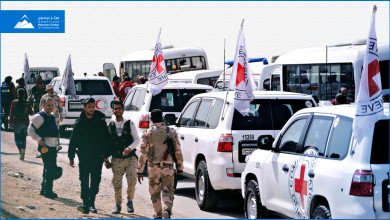
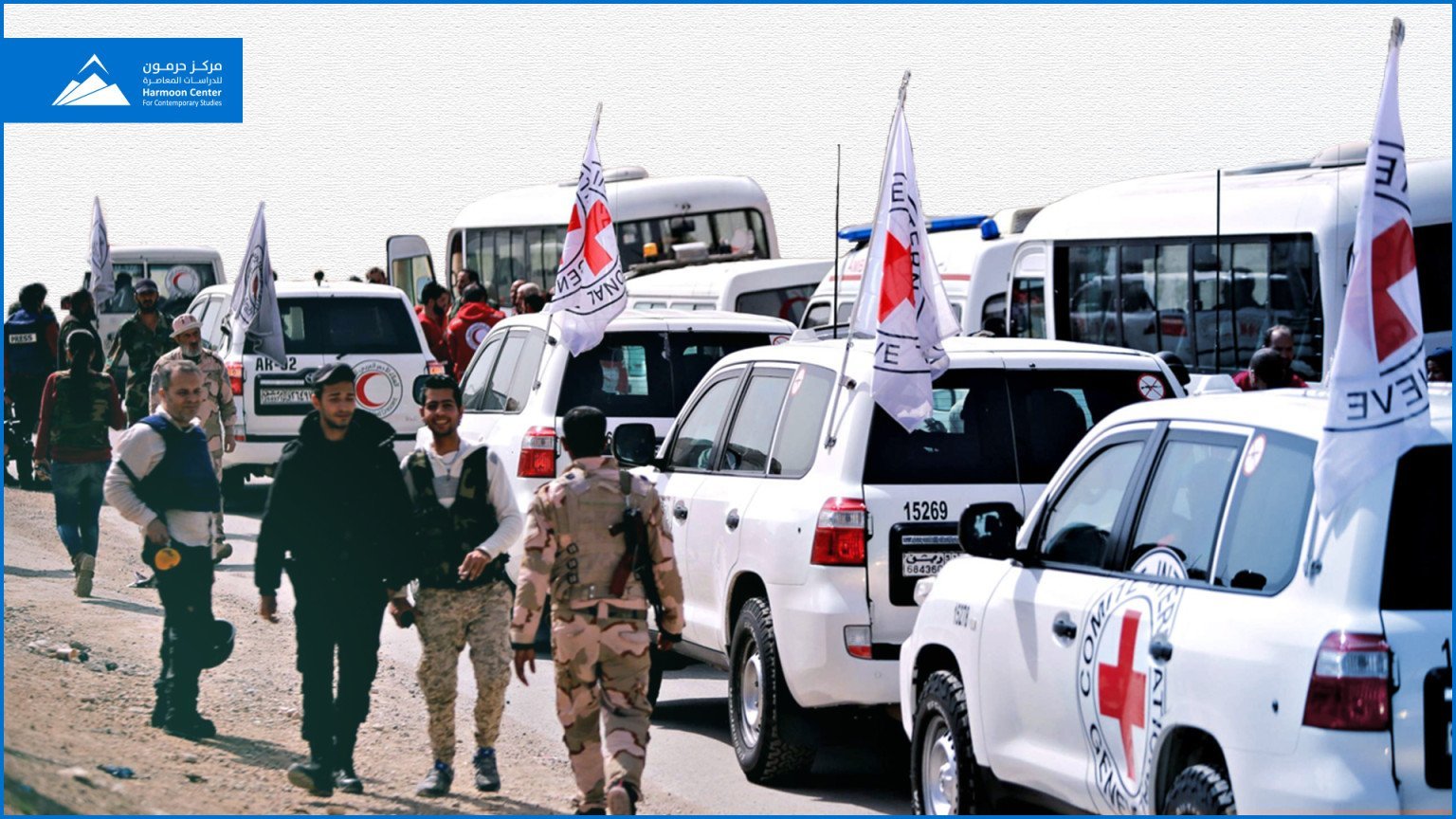
The cross-border aid mechanism, established in 2014 by UNSC Resolution 2165, enabled the UN to deliver humanitarian aid without needing the Syrian government’s approval. This mechanism provided a critical lifeline to millions of civilians in NWS. Aid supplies, including food, medicine, and other essentials, reached people through four border crossings. However, as geopolitical tensions rose, this lifeline began to fray. Over time, the mechanism became entangled in broader international political dynamics. Russia and China, key allies of the Assad regime, consistently sought to reduce the scope of this mechanism, advocating for cross-line aid, delivered from within government-controlled territories, rather than cross-border aid. In contrast, the USA, the UK, and France insisted on the necessity of maintaining cross-border aid to ensure access to vulnerable populations without interference from Damascus. In 2020, the UNSC, under pressure from Russia and China, reduced the crossings from Turkey to just one, Bab al-Hawa, further restricting aid delivery (UNSC, 2020).
“This decision sent shockwaves through the humanitarian community. Aid workers on the ground found themselves grappling with a new reality, one where their ability to reach those in need was suddenly and severely curtailed”. (R8)
The UN, once able to operate more freely across the region, found its hands tied by political compromises made thousands of miles away.
The aftermath of this decision revealed the deep-seated challenges facing the UN in Syria. “Every six months, aid workers and civilians alike would hold their breath, waiting to see if the UNSC would renew the cross-border mechanism” (R1). These renewal cycles often involved last-minute negotiations that hinged on the interests of powerful Security Council members. This cycle of uncertainty casted a long shadow over long-term planning and sustainable development efforts. As one participant put it, “We can’t plan for the future when we don’t know if we’ll be able to operate next month. We are limited to 6 months. Any project that only lasts 6 months will not produce good outcomes and will not be sustainable”. (R6)
As explained by the roundtable participants, reducing the number of crossings to one in 2020, limited to a six-month period, prompted the World Food Programme (WFP), which was providing food aid to around 2.3 million people in NWS, and several INGOs, to hold discussions on contingency plans in anticipation of the UNSC Resolution being rescinded. They proposed the delivery of aid from UN agencies to INGOs, which the UN did not agree to for fear of diminishing their presence in the area. The following year, concerns increased, leading to the proposal of a contingency plan, which was also rejected (RT). Roundtable participants pointed to some element of competition between the UN and the INGOs. The UN considered any discussion of the crossings to relate to its presence in the area. Before the earthquakes, the UNSC debated the possibility of not extending the crossings agreement, which would have ended the UN’s role in NWS. It began looking for alternative solutions, including reliance on local production, contracting local suppliers, providing food vouchers delivered by suppliers contracted through its office in Damascus or increasing cash-based operations. After the 6th of February 2023 earthquakes, there was a sudden rise in UN visits on the ground. Between February and October 2023, UN agencies carried out over 225 missions, a significant increase compared to previous years (NRC, 2023, p.14), seemingly looking to increase their presence and role (RT).
The political dispute over the crossings took a turn in the form of “a tacit recognition of the Assad regime’s government” (R1). The delivery of UN aid through crossings became dependent on the regime’s approval, placing the NWS cross-border agreement at the regime’s mercy, who showed no concern for the suffering of the local and displaced populations in the area. The impact of this new reality was demonstrated only too starkly at the time of the February earthquakes, when the UN response in the first week was limited to the Bab al-Hawa crossing. The UN did not deliver aid through the crossings closest to the destruction sites until February 13, having obtained permission from the Assad regime. It was too late to save those who were trapped under rubble. No international rescuers came to save them (Water, 2023). As one participant described it: “People had already died under the rubble” (R9). There was no justification for the regime’s delay in granting approval. This delay was considered a major failure in the UN’s mission, as the UN Relief Chief expressed in a tweet on February 12, 2024 (Figure). “The Syrian regime and the UN participated with the earthquakes in killing Syrians in NWS”. (R9)
Although the UNSC resolution on crossings did not apply to governments or INGOs, many chose to restrict their aid deliveries to the Bab al-Hawa crossing. The resolution affected the position of many countries and INGOs that adopted a neutral or ambiguous approach to the Syrian issue and operated in regime-controlled areas. Several governments and INGOs did not want to be involved in political issues nor to violate UN resolutions. However, some donors, such as Germany, the USA, the UK, and France, took a different approach, supporting INGOs and/or government agencies, to deliver aid regardless of the existence of a UN resolution or the approval of the Assad regime.
The UN’s position and relationship with the Assad regime had already been under scrutiny with accusations that it was too reliant on information from Damascus, potentially skewing aid distribution in favour of regime-held areas at the expense of NWS. In the wake of the 2023 earthquakes, these criticisms resurfaced as the UN was pressured to route more aid through regime-controlled areas. Critics argued that this would only strengthen the Assad government, which was accused of using aid as a weapon throughout the conflict.
Aid workers in NWS saw the UN as biased toward the Assad regime. “The UN relied on information and data provided by the regime, while information provided by other parties was always questioned the regime always got the lion’s share of UN aid” (RT). All study participants, including those in the roundtable discussions, saw the UN’s efforts to move toward early recovery as a means of restoring international legitimacy to the Assad regime, opening the way for normalisation, and the circumvention of international sanctions.
3.3 Normalization with the Assad regime
Between 2011 and 2024, there were significant changes in international policies toward the Assad regime, with some countries beginning to restore relations after years of isolation. This shift, known as “normalization”, changed the aid provision landscape to NWS, raising considerable concern among humanitarian organizations operating there, given the strong link between donor policies and priorities on the one hand, and normalization with the Assad regime on the other hand (RT).
Arab and European countries reopened channels of communication with the regime, with other countries likely to follow suit. Turkey, for example, which was the main conduit for international aid to NWS, repeatedly stated the need to improve relations with the Assad regime. Although there were no accurate statistics on the amount of aid allocated to each area of control in Syria, participants in the RT confirmed that “the normalization of relations with the Assad regime by some European and regional countries contributed to reducing aid directed to areas controlled by the opposition, and increased funding directed to regime areas. This was clearly demonstrated by the decline in funding from the Gulf states, which began to normalize relations with the regime, for NWS in recent years”. (RT)
A major issue raised by normalization was the associated complication of aid delivery across borders. Normalized relations with the Assad regime increased its international legitimacy and, in turn, its ability to exert control over aid delivery mechanisms, whether across borders or front lines. This also strengthened the regime’s ability to demand that the UN and INGOs engage with it directly to obtain approval for the delivery of aid. “Normalization would lead to the regime blackmailing other parties by controlling international aid, its size, its implementers, and the data related to its distribution” (RT). One participant stated that “the creation of an early recovery fund would allow donors to renege on their commitments to NWS and provide them with a way to support the regime while appearing morally justified” (R10). The participants in the roundtable discussions believed that providing aid to the regime for reconstruction or early recovery would help it and its supporters evade sanctions and undermine local and international efforts to implement international resolutions regarding the Syrian issue, particularly the UNSC Resolution 2254 (UNSC, 2015).
3.4 Impact of international sanctions
Many countries-imposed sanctions on the Assad regime and its close circle between 2011 and 2024 as a form of political pressure. One of the most prominent sanctions was the Caesar Act, passed by the USA in 2019, aiming to restrict the regime’s financial and commercial transactions. While the sanctions sought to besiege the Assad regime economically and prevent financial aid from reaching it, they also affected the provision of aid to NWS, exacerbating the complexity of financial transfers to the country in general.
Donors used to send funds to partner organizations based in Turkey, which then used these funds to implement their projects in NWS. The Caesar Act and other sanctions put pressure on international and Turkish banks, which became reluctant to deal with any financial transfers related to Syria. “As soon as the word ‘Syria’ was mentioned in the transfer, the bank may have blocked it” (RT). As a study participant explained: “The sanctions had a significant impact on banks, leading to their reluctance to transfer any allocated funds to Syria” (R1). As a result, many financial transfers faced delays that could last for several months.
The impact of sanctions on international and Syrian NGOs (I/NGOs) was also apparent in relation to their securing fuel and electricity. Many donors refused to cover the costs of purchasing fuel in Syria due to the sanctions. This compelled I/NGOs to import fuel from Turkey at higher costs. One participant explained:
“Some donors do not agree to let us buy fuel in Syria, so we buy it from Turkey even though it is more expensive. We do not contract with electricity companies in Syria owned by the Salvation Government, even though they are the cheapest and cleanest”. (R9)
The Green Energy Company was the main electricity provider in the Idlib area and affiliated to the Salvation Government, the civilian wing of HTS that is classified internationally as a terrorist group. I/NGOs were therefore forced to rely on generators, increasing the cost of electricity, as well as impacting the environment, and creating tension with the local community in Idlib. As one participant noted:
“We use a generator to produce electricity even though the public power grid is only a few meters away. This has affected our standing in the community. People ask: Why are you different from everyone else? Should we explain to them that the donor prohibits us from paying money to the power company because it is subject to sanctions?”. (R2)
Sanctions also significantly affected the health sector in NWS, in terms of power and medical supplies to hospitals. I/NGOs in NWS refrained from buying Syrian medicines and medical equipment from local companies that were under sanctions, forcing them to import these items from abroad at high costs. One participant said:
“We avoid purchasing from within Syria as much as possible because there are many risks involved, such as the ownership of some companies by entities subject to sanctions, or the presence of pharmaceutical items coming from areas controlled by the regime. We need to take account of the Caesar Act, with strict procedures imposed by our organization”. (R2)
Despite the fall of the Assad regime, Syria’s new government continues to grapple with the enduring impact of international sanctions. US President Donald Trump’s announcement to lift sanctions on Syria on the 13th of May 2025 will pave the way for the lifting of all international sanctions on the country. This is a great opportunity for the new Syrian government to rebuild the country, benefiting from significant Arab and Turkish support in this area.
3.5 Impact of Global Crises and Resource Constraints
The struggle to secure funding for humanitarian efforts in NWS became increasingly difficult. Global attention on the Syrian crisis diminished, while other crises, such as the wars in Ukraine and Gaza, shifted donor priorities, significantly reducing available resources for NWS. This led to a critical funding gap, leaving humanitarian I/NGOs with fewer resources to address growing needs. In 2024, the withdrawal of key actors like the WFP highlighted the severity of the situation, forcing I/NGOs to concentrate their efforts on the most vulnerable populations. The pragmatic approach of the former failed to account for the widespread and persistent needs across the entire region.
“The aid peaked in 2018 and 2019. It has decreased by 40% since then. The major reasons are the Ukraine and Gaza wars and the problems in Sudan. Syria is no longer the top humanitarian priority. It is now ranked number 5”. (R1)
“The scarcity of aid has become certain. This can be traced through the aid provided to USAID, which is one of the largest aid channels. The annual funding reduction with this agency has reached 50%”. (R4)
This is aligned with global trends in humanitarian funding. According to the UNOCHA (United Nations Office for the Coordination of Humanitarian Affairs) Financial Tracking Service, the Syria Humanitarian Response Plan for 2023 was only 40.8% funded, receiving $2.21 billion out of the $5.42 billion required (UNOCHA, 2024). This was the lowest percentage since 2011. This shift made it difficult for I/NGOs to secure consistent funding to address the vast humanitarian needs in NWS. Participants in one of the roundtable discussions noted that “the economic crises facing donor countries, particularly after the COVID-19 pandemic, redirected attention to domestic issues” (RT). Although overall funding to INGOs and agencies, especially those operating under a government umbrella, increased in some cases, aid funding for each affected country decreased.
“Funding for our organization may have increased in recent years, but the expansion of the global crises has led to the dispersion of funding and thus the aid provided to Syria has decreased”. (R4)
While many I/NGOs faced severe funding shortages, some organizations were less affected by these constraints. Those operating under direct government sponsorship or within state-affiliated frameworks often maintained stable funding streams, insulated from external fluctuations.
“Our organization has not suffered from a lack of funding because it operates under the umbrella of the government. It is not tied to external funding. The government allocates funding for it and it operates on that basis. I do not expect this to change in the future. (R9)
Despite the negative impacts of other conflicts on international aid to NWS, participants in the roundtable pointed to positive impacts as well, particularly in terms of advocacy for the Syrian case at the international level. Other conflicts, particularly the war in Ukraine, reminded the international community of what was happening in Syria.
3.6Short-term Focus and Funding Restrictions
Donor strategies were clear in this area. Most funding was earmarked for short-term emergency projects, typically lasting between six to twelve months. This narrow focus left little room for long-term sustainable solutions. A respondent expressed frustration with these limitations:
“Donor policies are rigid, and we cannot adapt our projects to meet the changing needs on the ground due to excessive donor restrictions”. (R1)
The focus on short-term relief efforts, such as food basket distribution, created a dependency on emergency aid rather than fostering long-term self-sufficiency. Respondents remarked:
“We need projects that help beneficiaries move from relying on food baskets to establishing their own businesses. Unfortunately, donors still focus on immediate responses”. (R10)
“This short-term focus also prevents organizations from investing in resilience-building projects, which could address the root causes of the crisis. Many donors are hesitant to fund such projects, citing concerns about governance, local capacity, and potential corruption within the fragile political environment”. (R8)
The increasing reliance on humanitarian aid led to profound societal changes, fostering what could be described as a ‘culture of idleness’. As aid became a primary source of survival, some residents had fewer incentives to seek alternative means of income or develop long-term solutions for self-sufficiency. This reliance diminished motivation for self-reliance, stifling innovation, discouraging skill development, and creating a dependency on direct aid such as cash and food baskets.
“If you want to destroy beneficiaries, just support them with aid alone. This eliminates any opportunities for self-reliance, making beneficiaries 100% dependent on aid”. (R7)
The focus on supporting emergency projects affected the capacities of many NGOs. The training provided to staff in these NGOs focused only on these aspects. Such NGOs were unable to deal with sustainability projects and needed a lot of training if donors decided to move to another phase of the response, especially to the early recovery phase.
“Organizations have developed a mentality of working quickly in line with donor policies. Therefore, they will not be able to work in the field of development, which requires patience and sustainability. It is like asking a surgeon working in intensive care to provide psychological support”. (R3)
The restrictions imposed by donors could sometimes hinder the delivery of appropriate aid and generated negative perceptions of aid among the community. For instance, donors allocated funding for psychosocial support in schools, which meant that organizations receiving such funding were obliged to implement projects exclusively focused on psychosocial support. Meanwhile, there were severe shortages of textbooks, deteriorating school infrastructure, insufficient teacher salaries, and a lack of heating fuel for winter. The local community prioritized these needs over and above projects introducing new concepts such as women’s empowerment and psychosocial support.
“Imagine visiting a school to provide psychosocial support to students while they are shivering from the cold. These are unfamiliar concepts to the local community. They don’t understand such terms. How would people perceive us in such scenarios? Of course, they prioritize heating fuel over psychosocial support”. (R9)
Religious and cultural factors also played a role in limiting the flexibility of private donations. Muslim donors, particularly from the Gulf, preferred to earmark their donations for specific causes such as supporting widows and orphans, which limited the ability of organizations to address broader community needs. One participant said:
“The donors, either individuals or institutions, bring money that could be their zakat. This donation could be millions. They might, for example, ask that the donation target mothers of orphans and the poor. In this way, this donation is restricted. If we fix a road to a market, it could have a big impact on society. But such donors are still thinking about relief support and helping the vulnerable”. (R4)
In essence, this quote reflects a misalignment between traditional religious giving frameworks and modern recovery priorities, where needs such as economic revitalization, infrastructure, or institutional capacity-building are difficult to fund under narrowly defined donation terms. This poses a challenge for NGOs trying to design holistic responses in conflict or post-conflict environments.
3.7 UN and donors’ coordination with De Facto Authorities
The UN engaged with the local authorities in Idlib, both directly and indirectly, to facilitate the distribution of humanitarian aid (NRC, 2023). This coordination often involved the UN OCHA Humanitarian Access Working Groups[1] (HAWGs), which were instrumental in resolving disputes or addressing interference by the local authorities in project implementation.
“If local authorities [affiliated with HTS] interfere in our projects, impose a [beneficiary] list, or if we are unable to obtain approval, we contact the HAWGs under the UN. They have connections and can resolve these issues. They coordinate directly with the local authorities to address such problems”. (R5)
OCHA also held negotiations with the Salvation Government authorities to protect and maintain humanitarian access.
“There are negotiations between OCHA and the controlling authorities in Idlib to ensure the protection of interventions and humanitarian access”. (R2)
The UN’s presence in the Salvation Government-controlled area provided legitimacy on the ground and cover for INGOs and donor governments to continue supporting the area, despite it being controlled by an affiliate of a proscribed terrorist entity. It also mitigated some of the pressures exerted by local authorities. It was well known that “if the Salvation Government knew the UN was aware of an NGO’s issue, it might think twice about placing too much pressure on that NGO.” (NRC, 2023, p.19)
What stands out is how the UN and INGO approach to the Salvation Government changed over time. When the Salvation Government was established in 2017, they referred to it as the “so-called Salvation Government” and considered it a de facto authority. Any mention of Salvation Government local authorities during donor meetings was made with extreme caution. Later, they began to be explicitly referred to as the “Salvation Government” and the “Ministry of Development affiliated with the Salvation Government” in OCHA meetings in Gaziantep. The UN initially refused to attend any meetings with Salvation Government representatives and prohibited its staff, other than Syrian staff, from crossing the Bab al-Hawa border crossing between Hatay in Turkey and Idlib Governorate, to meet with SG officials (R10). It then became customary for UN officials to meet with Salvation Government officials at the Bab al-Hawa crossing. Moreover, the UN and donor organizations began issuing explicit instructions to NGOs to coordinate with the Salvation Government to ensure the continuity of aid delivery. NGOs could now clearly state to donors that the source of their data, which they relied on to develop project proposals, was a directorate affiliated with the Salvation Government Ministry of Development:
“Recently, donors have been sending official emails at the highest levels with recommendations such as: We encourage you to coordinate closely with the local authority; Please coordinate and inform the local authority before doing anything.” (R5)
This shift in the relationship between the UN and the de facto authority in Idlib, which took place over 7 years, demonstrated the extent to which the Salvation Government was able to assert its presence and achieve a form of international legitimacy, with coordination becoming direct and transparent.
3.5 Impact of the Earthquakes
While the earthquakes in 2023 led to a temporary surge in donations and funding, this boost was short-lived. One respondent pointed out: “There was very little funding before the earthquakes, but the disaster significantly increased donations and institutional support. However, after about a year, funding started to dry up, and many I/NGOs began downsizing again” (R8). This highlighted the volatility of funding and the tendency for aid to be reactive rather than proactive.
Many NGOs were on the brink of collapse at the beginning of 2023. They were revived due to the funding allocated by donors for this emergency. This meant that, against expectations, many organizations were able to continue working in Syria. However, this funding remained strictly tied to the disaster. This had happened in other cases in Syria, such as the displacement from Aleppo in 2016 or Ghouta in 2018. About a year after the earthquakes, once the funding allocated for that emergency ended, many I/NGOs again began to suffer from a lack of funding and started closing their projects and laying off employees. One participant reported:
“There was very, very little funding before the earthquakes. This led to significant funding in terms of individual donations and institutions, which led to renewed interest in NWS. After a year or more since the first earthquake, projects began to end. Downsizing operations in I/NGOs are noticeable. To my knowledge, no organization is exempt from this”. (R4)
What makes working in this context even more difficult was that “all earthquake responders exhausted their strategic stocks, especially in the health and food security sectors. Some I/NGOs were forced to use some of the funds allocated to other responses”. (RT) This affected their plans. All responders needed more funding to implement them.
3.9 Constraints on INGO Operations in Turkey
Political stances adopted by the home countries of INGOs caused operational difficulties in Turkey, even for organisations with a longstanding legal status. In 2017, Turkey revoked the licenses of four INGOs, officially citing national security concerns (Gladstone, 2017; Erkuş, 2017). However, many observers argued these organisations were targeted due to their perceived support for US-backed groups in Syria, which Turkey viewed as hostile. Turkey’s foreign policy priorities and its shifting relationships with other states directly influenced INGOs’ freedom to operate, affecting their ability to implement projects smoothly.
“Our organisation has been in Turkey for decades. It has no problems legally. However, there are problems related to political matters connected with the relations between the two countries (Turkey and the country of the relevant NGO) and their positions on what is happening in Syria”. (R7)
Another participant also pointed to the impact of political positions and relations:
“It isn’t easy to differentiate between political relations and our work. Our organisation has a very good relationship with Turkey. I think that the relations between the two countries can cast a shadow over our work but in other cases can make it easier”. (R4)
These testimonies make clear that INGOs’ operations in Turkey were shaped as much by international politics as by domestic legal frameworks. While legal compliance was necessary, it was not sufficient; the political alignment between Turkey and an INGO’s home country, particularly regarding the Syrian conflict, played a decisive role. Diplomatic tensions could obstruct operations through restrictions, administrative hurdles, or expulsion, whereas favourable relations could ease access and facilitate activities. For INGOs delivering aid to NWS via Turkey, this meant navigating an environment where foreign policy considerations often took precedence over humanitarian needs. The entanglement of aid delivery with Turkey’s shifting alliances and geopolitical objectives exposed a significant vulnerability, making operational freedom contingent on evolving international relations rather than purely legal or humanitarian principles.
3.10 Impact of the Turkish Presence in NWS
Implementing humanitarian projects in the Turkish-controlled areas of Northern Aleppo required extensive coordination between the donors and the Turkish authorities. While the local councils held decision-making authority on the ground, Turkey maintained ultimate and overriding control. This meant that the local council in Northern Aleppo made their decisions after obtaining approval from Turkish authorities. Participants noted that it was impossible to work in Northern Aleppo without coordinating and signing agreements with a Turkish entity.
“We are required to sign cooperation protocols with Turkish government entities. This requirement does not exist in Idlib. These protocols usually stipulate that we, as organizations, receive beneficiary lists from either the local council, AFAD*, or the relevant Turkish directorate”. (RT)
“Everyone knows that without signing an agreement with the Turks, it is impossible to work in that area. For example, we sign with AFAD or the Turkish Red Crescent and then with local councils, which coordinate with the Turkish authorities in the region to facilitate our work”. (R6)
“Every time we go to a local council, they tell us to go to AFAD, the governorate, or the relevant directorate. So, we always start here [in Turkey]”. (R10)
Signing agreements with Turkish entities enabled INGOs to obtain work permits for their staff to work in Turkey. These agreements also allowed them to secure transit permits from the Turkish authorities for staff to enter Northern Aleppo to oversee project implementation. Without such agreements, INGOs might not even be able to obtain a license to operate in Turkey. (RT)
Turkey played a pivotal role in facilitating international aid to northern Syria, acting as an intermediary between local councils and I/NGOs. However, it also imposed additional conditions that complicated the coordination process. Aid organizations often had to navigate multiple layers of approval, involving tripartite agreements between local councils, Turkish authorities, and donors. This structure added complexity to humanitarian efforts, particularly when priorities diverged between these stakeholders. For instance, Turkish authorities sometimes requested support for sectors that fell outside the scope of ongoing aid projects, creating logistical and financial burdens for I/NGOs:
“Unfortunately, the Turks have no idea what a project entails, its constraints, budget, or timeline. They tell us, for example, that they need fuel for schools or teacher salaries while we are working on a training project. We still face such pressures, which feel like extortion. You have to give them something”. (R4)
In addition to bureaucratic complexities, Turkey’s policies significantly influenced the geographical distribution of aid. One major factor was the restriction on establishing PTT* branches in Idlib, which effectively channeled financial transactions and aid operations toward Northern Aleppo. This decision shaped the operational landscape for many organizations, as they found it more practical to concentrate on their activities in areas with smoother financial processes. One respondent observed:
“Turkey’s decision not to open PTT branches in Idlib and to restrict them to Northern Aleppo may have directly or indirectly incentivized organizations to work in Northern Aleppo”. (RT)
These challenges illustrated how Turkish policies both facilitated and constrained aid efforts, making it crucial for humanitarian actors to adapt their strategies to shifting regulatory environments. This also reflected the limited expertise of Turkish authorities in managing humanitarian interventions. Turkish staff needed training to handle these issues effectively. Additionally, there was a lack of coordination among the Turkish provinces overseeing Northern Aleppo.
“Sometimes the Turkish authorities ask, ‘What benefit do we get? We have these needs.’ Unfortunately, the needs are not properly assessed. They don’t understand what the needs are. You go to the Gaziantep Directorate, and the needs are entirely different from those put forward by the Kilis Directorate. There is chaos. We’ve faced many problems because of this”. (R4)
Many I/NGOs focus their work on Idlib despite the significant needs in Northern Aleppo. “American and European donors show less interest in Northern Aleppo for political reasons”. (RT) I/NGOs based in Turkey, working primarily in the Salvation Government-controlled area, carried out small projects in Northern Aleppo in order to justify their presence in the Salvation Government-controlled area to Turkish authorities.
“Many organizations here have projects targeting Idlib but carry out some activities in Azaz, Jarablus, or other places just to sign protocols with Turkish authorities. If they don’t sign protocols, they might face scrutiny from those authorities”. (R9)
This arrangement allowed I/NGOs to maintain their legal standing in Turkey while continuing to operate in NWS. However, it also meant that some resources were allocated based on regulatory obligations rather than on immediate humanitarian needs, illustrating the complex relationship between legal frameworks and aid distribution.
Turkish authorities played a role in resolving disputes that hindered international aid delivery in Northern Aleppo, whether between organizations and local councils or organizations and armed factions. Turkish officials’ interventions have led to the resumption of several projects halted due to interference by armed factions and to obtaining approvals for projects that local councils attempted to block. Thus, organizations aim to maintain good relations with Turkish authorities to facilitate their work in Turkey and NWS.
“If the relationship with Turkish authorities is good, things go smoothly. Sometimes, a local council refuses a project for no clear reason. We turn to the Turkish authority responsible for the project’s sector. They talk to the council and get us the approval”. (R8)
4. Conclusion: Reconstruction or Repetition?
This study began by asking: How did the geopolitical interests of international actors affect aid provision to NWS?. The findings comprehensively demonstrate that far from being a neutral endeavor, humanitarian aid was subordinated to a geopolitical calculus. This was manifested through the strategic redirection of funds based on the shifting political legitimacy of the Syrian opposition and donor normalization with the Assad regime; the leveraging of the UN cross-border mechanism as a tool in great-power rivalries; the constraining influence of donor governments on the INGOs they funded; and the complex operational environment created by international sanctions and Turkey’s overarching regional policies. These interconnected dynamics systematically fragmented the aid response and prioritized short-term political objectives over long-term, sustainable recovery.
The findings of this study carry urgent and far-reaching implications for the anticipated reconstruction of Syria. If reconstruction efforts mirror the same donor-driven, politically entangled approaches that characterized humanitarian aid in NWS, the prospects for a just and sustainable recovery will be severely compromised. Moving forward, all actors, donors, I/NGOs, and transitional authorities must reassess their roles and responsibilities to ensure that aid serves Syria’s people, not geopolitical agendas.
Donor states, in particular, must confront the reality that their aid strategies in NWS often exacerbated inequality, dependency, and political fragmentation. The reconstruction phase offers an opportunity, and indeed a moral obligation, for donors to abandon short-term, interest-driven interventions in favor of long-term, need-based planning. Funding must become more predictable, flexible, and responsive to community priorities. Rather than trying to achieve opaque political objectives or diplomatic maneuvering, donors should invest in transparent mechanisms that allow for multi-year programming rooted in local consultation and independent needs assessments. Moreover, they must strengthen oversight and accountability frameworks that guard against the instrumentalization of aid as a lever of influence.
INGOs also need to recalibrate their operational models. The study makes clear that many INGOs were constrained by the political positions of their home governments, which compromised their ability to deliver impartial, context-sensitive aid. To avoid repeating such failures in the reconstruction phase, INGOs must prioritize genuine partnerships with Syrian civil society and local organizations. They should work to transfer both resources and decision-making power to local actors, while ensuring that their own structures reflect the highest standards of transparency and ethical integrity. Additionally, INGOs must coordinate more effectively among themselves to resist donor fragmentation and policy inconsistency, which previously led to duplication and inefficiency.
Syrian NGOs and community-based organizations, for their part, are called upon to play a more assertive role in shaping reconstruction agendas. The dependency created by years of short-term aid must be actively reversed through strategies that build local capacity, promote collective organizing, and demand accountability from both donors and national authorities. By using data to document needs and outcomes, local actors can elevate the voices of marginalized groups and push for more inclusive, equitable distribution of aid. Strengthening internal governance will also be key, as it enhances both credibility and resilience in a volatile post-conflict environment.
Finally, transitional authorities must recognize that legitimacy in the reconstruction process will depend not on symbolic representation or elite bargaining, but on their willingness to embed transparency and equity at the heart of governance. Reconstruction planning must be inclusive and participatory, involving civil society in all stages of project design, implementation, and monitoring. Independent bodies—composed of community leaders, technical experts, and civil society representatives—should be established to oversee the flow of international funds and ensure they are used in ways that promote recovery for all Syrians, not just those aligned with dominant political factions. Diplomatically, transitional authorities must resist pressure to politicize reconstruction, and instead advocate for a rights-based, decentralized approach that places local recovery at the center.
Without these shifts, the reconstruction of Syria risks becoming a new arena for the same geopolitical contests that undermined humanitarian aid in NWS. But with a coordinated commitment to transparency, local ownership, and principled engagement, the international community and Syrian stakeholders alike have an opportunity to chart a different path—one grounded not in political convenience, but in the lived realities and long-term needs of Syrian communities.
References
Barter D. 2017. Myanmar: The forgotten war in Kachin State. Frontier.
Cliffe S., Dwan R., Wainaina B., and Zamore L. 2023. Aid strategies in ‘politically estranged’ settings: How donors can stay and deliver in fragile and conflict-affected states. The Royal Institute of International Affairs, London.
Erkuş S. 2017. Yabancı 4 vakfa kilit. hürriyet Gazetesi. March 17, 2017. https://www.hurriyet.com.tr/gundem/yabanci-4-vakfa-kilit-40425697
Finckenstein V. 2021. How International Aid Can Do More Harm than Good: The Case of Lebanon, LSE IDEAS.
Fortify Rights. 2018. ‘They blocked everything’: Avoidable deprivations in humanitarian aid to ethnic civilians displaced by war in Kachin State, Myanmar.
Fouad M., Sparrow A., Tarakji A., Alameddine M., El-Jardali F., Coutts A. P., El Arnaout N., Bou Karroum L., Jawad M., Roborgh S., Abbara A., Alhalabi F. AlMasri I. and Jabbour S. 2017. Health workers and the weaponisation of health care in Syria: a preliminary inquiry for The Lancet–American University of Beirut Commission on Syria. The Lancet, 390(10111):2516 – 2526. http://dx.doi.org/10.1016/S0140-6736(17)30740-7
Furness M. 2020. “Donorship” and strategic policymaking: Germany’s Middle Eastern and North African aid programme since the Arab uprisings. Development Policy Review, 38(S1): 70-90.
Gladstone R. 2017. Turkey halts Mercy Corps, charity that aids over 500,000 Syrians a month. The New York Times. March 8, 2017.
Khaled A. F. 2021. Do No Harm in refugee humanitarian aid: the case of the Rohingya humanitarian response. Journal of International Humanitarian Action, 6(7), https://doi.org/10.1186/s41018-021-00093-9
Meininghaus E. 2016. Humanitarianism in intra-state conflict: aid inequality and local governance in government- and opposition-controlled areas in the Syrian war. Third World Quarterly, 37(8):1454-1482. https://doi.org/10.1080/01436597.2016.1159509
Mikolajuk C. 2005. Thanks, but no thanks: The other face of international humanitarian aid. Harvard International Review, 26(4): 32-35.
Moyo D. 2010. Dead aid: Why aid is not working and how there is another way for Africa. Penguin, London.
NRC. 2023. Cross border: Access coordination in North-West Syria. Available at: https://www.nrc.no/resources/reports/cross-border-access-coordination-in-north-west-syria/
Shaban F. 2020. Rebuilding higher education in Northern Syria. Education and Conflict Review, 3, 53–59.
Phillips C. 2020. The battle for Syria: International rivalry in the new Middle East. Revised and updated edition. Yale University Press, London.
Shaban F. and Mahmoud F. 2023. ‘How can I get there?’: Effects of road system destruction in the Northeast of Aleppo Governorate under war conditions. Under review by Case Studies on Transport Policy.
Shaban F., Griffiths M., Bark I. and Juma S. 2024. Identifying challenges facing the inclusion of disabled people in northwest Syria. Disability and the Global South Journal, 11(1), pp. 2447-2466.
Slim H. 2015. Humanitarian Ethics: A Guide to the Morality of Aid in War and Disaster. Oxford University Press.
Taghdisi-Rad S. 2015. Political Economy of Aid in Conflict: An Analysis of Pre- and Post-Intifada Donor Behaviour in the Occupied Palestinian Territories. International Journal for Security and Development, 4(1), Art22. DOI: 10.5334/sta.fl
UNOCHA. 2024 Syrian Arab Republic Humanitarian Response Plan 2023, Available at https://fts.unocha.org/plans/1114/summary
UNSC. 2020. Resolution 2533. Available at https://docs.un.org/en/S/res/2533(2020)
UNSC. 2015. Resolution 2254. Available at https://digitallibrary.un.org/record/814715?v=pdf.
UNSC. 2014. Resolution 2165. Available at https://docs.un.org/en/S/RES/2165(2014).
Water G. 2023. “Please send tents and blankets”: A desperate plea from Syria’s survivors. Middle East Institute, Available at https://www.mei.edu/blog/please-send-tents-and-blankets-desperate-plea-syrias-survivors.
Wildeman J. and Tartir A. 2021. Political economy of foreign aid in the occupied Palestinian territories: A conceptual framing. In: Tartir A., Dana T. and Seidel T. (ed.) Political economy of Palestine: Critical, interdisciplinary, and decolonial perspectives. Cham, Switzerland: Palgrave Macmillan.
Wimmen H. 2016. Syria’s Path From Civic Uprising to Civil War. Carnegie Endowment for International Peace. Washington, DC.
Wood R. M. and Sullivan C. 2015. Doing harm by doing good? The negative externalities of humanitarian aid provision during civil conflict. Journal of Politics, 77(3), 736-748.
World Bank Group. 2017. The economic and social consequences of the conflict in Syria. International Bank for Reconstruction and Development. Washington DC.
Zureik E. 2018. Qatar’s humanitarian aid to Palestine. Third World Quarterly, 39 (4): 786-798.
* In this paper:
INGOs refer to international non-governmental organisations.
[1] HAWGs tended to be chaired by the UN, sometimes with an NGO co-chair, and usually made up of UN agencies and international and national NGOs. At a global level, they were supported by the UN’s access staff and the access focal points of their NGO co-chairs. HAWGs were a common feature of many humanitarian responses, playing a key role in forming common positions, shaping access strategies and joint operating principles, and providing the humanitarian community with an overview of the access landscape. (NRC, 2023, p.4)
* Afet ve Acil Durum Yönetimi Başkanlığı (Disaster and Emergency Management).
* Post and Telegraph Organisation (Posta ve Telgraf Teşkilatı).