



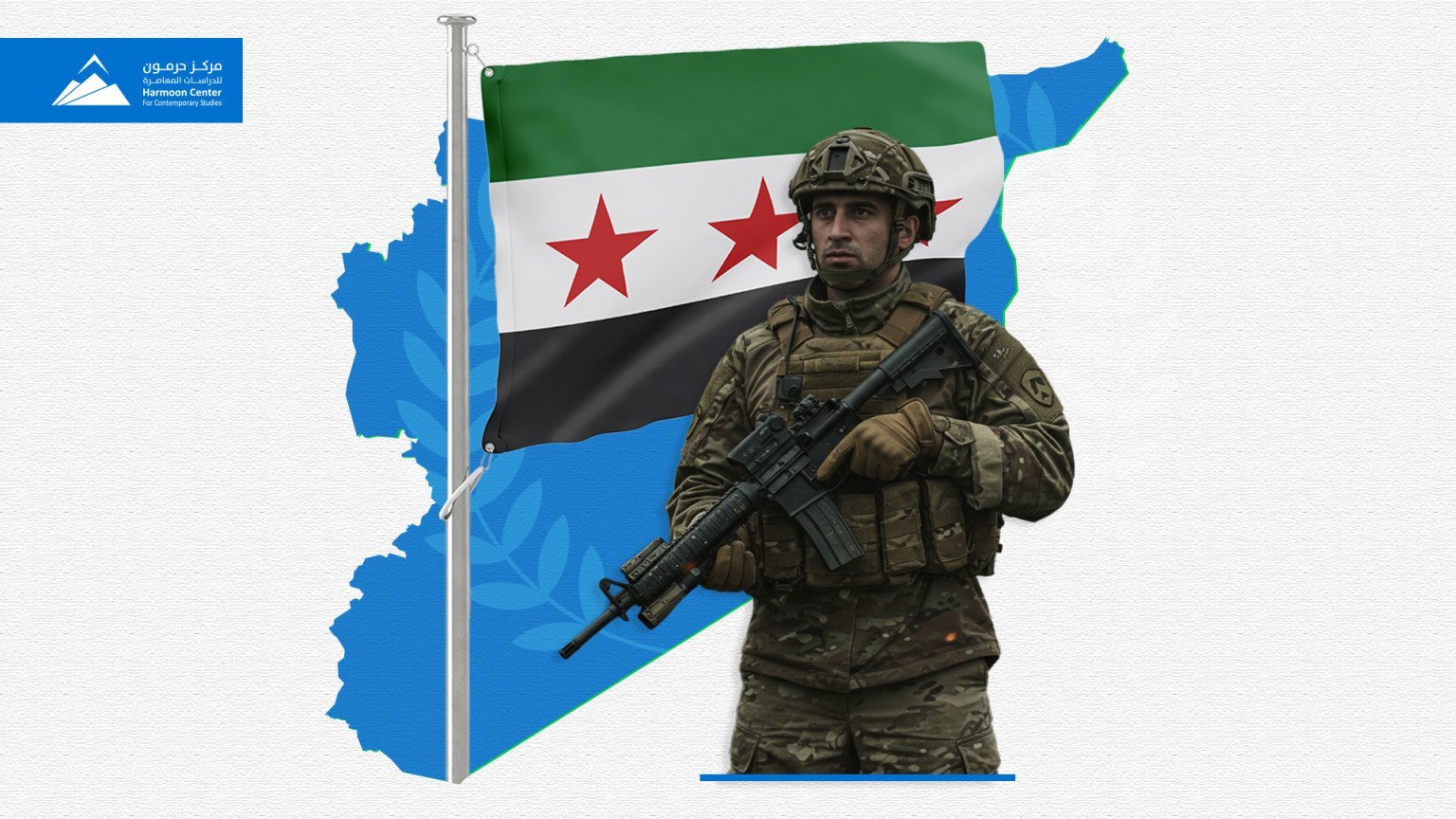
Executive Summary
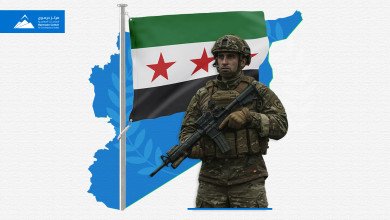
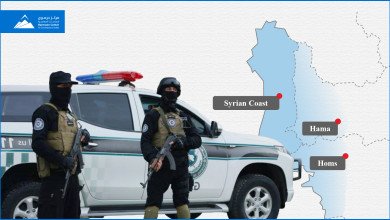
Following the fall of the Assad regime in December 2024 in the wake of the “Deterrence of Aggression” operations, Syria has been beset by significant and multi-faceted challenges. At the very forefront, the state is faced with the task of establishing a unified national military and security apparatus. It must integrate all existing armed groups under one umbrella, and address the status of the freshly dissolved army of the former regime.
In the Syrian context, the implementation of Disarmament, Demobilisation, and Reintegration (DDR) programmes is now critical, alongside Security Sector Reform (SSR) and the restructuring of military and security institutions. These measures are the foundations for any transition from conflict to sustainable peace.
However, Syria’s political, social, and security landscape is marked by factional fragmentation, external interference, and deep societal divisions. These faultlines complicate the smooth implementation of such programmes. As a result, Syria must adopt a holistic, multi-layered approach. The success of any DDR/SSR strategy relies on the provision of reliable security and political guarantees, as well as the design and implementation of economic and social programmes that offer realistic alternatives for former combatants. These must include job creation, psychosocial support, and meaningful community participation. The importance of this study lies in its exploration of these issues and its identification of key challenges on the ground, and areas requiring attention.
The study determines that a robust legal and institutional framework is essential, along with transitional justice mechanisms that address past grievances and lay the groundwork for long-term national reconciliation. DDR and SSR efforts should be seen as part of broader reconstruction efforts and development initiatives. True reintegration cannot occur without economic transformation that opens new horizons for individuals and communities to overcome conflict legacies. The study recommends close coordination among local stakeholders and international actors (governments, civil society, and regional backers) to ensure that DDR and SSR processes are inclusive, effective, and sustainable, ultimately facilitating a safe transition from chaos to stable national institutions that reflect the aspirations of all Syrians.
You can read the entire study by clicking on the “Download” tab.