


Introduction
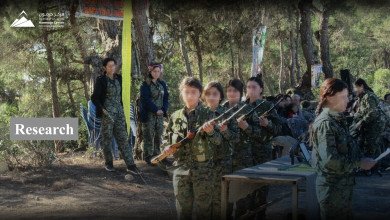
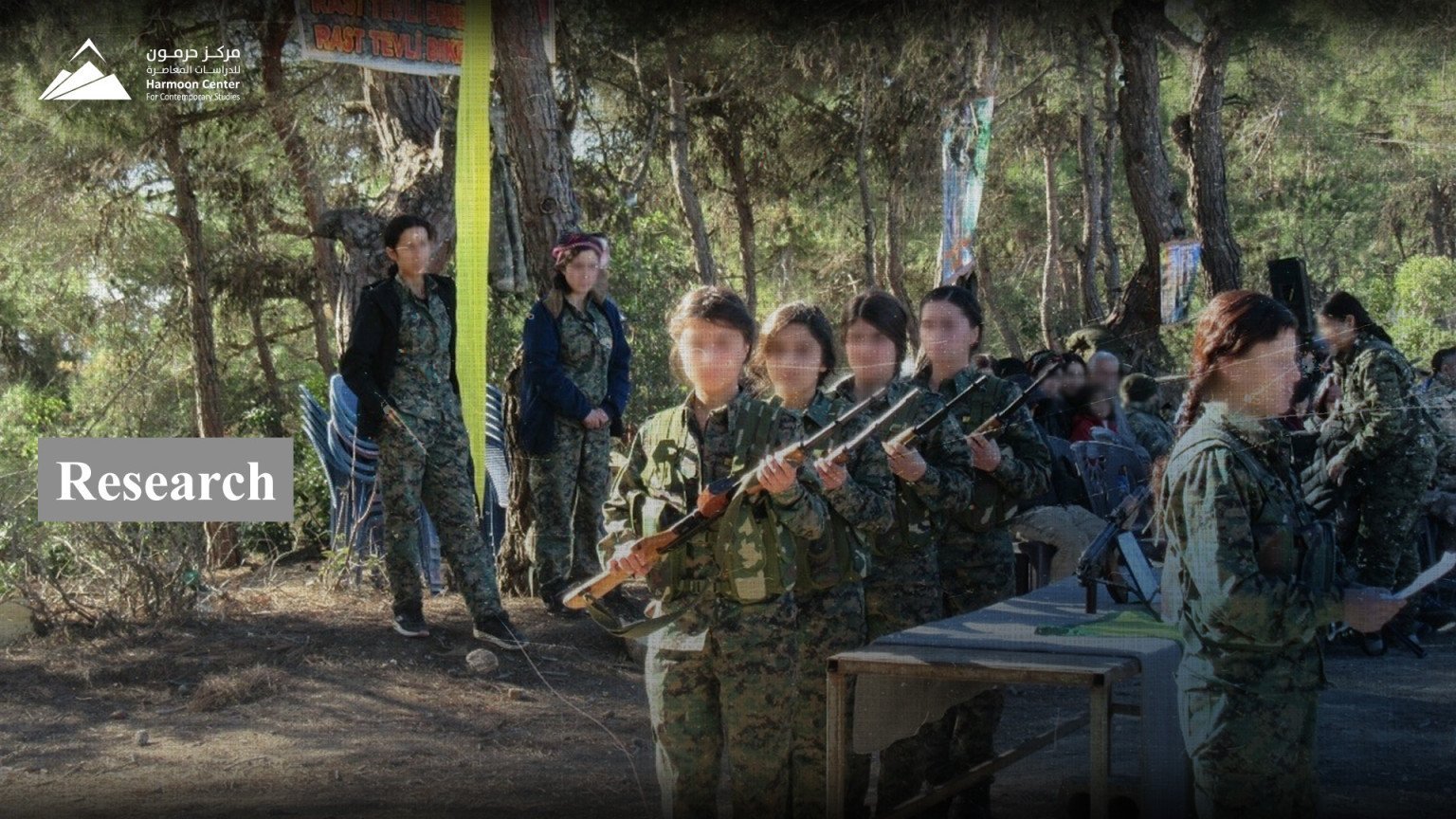
Child recruitment takes place in all parts of Syria and is on the rise. The enlistment of children in combat, or in supporting roles for armed units, has predominantly been attributed to various factions allied with the regime and opposition forces, with groups affiliated with the Free Syrian Army (FSA) having been reported to be utilizing children as soldiers. As the opposition became more fragmented, similar reports started implicating other entities, including Jabhat al-Nusra, Ahrar al-Sham, and ISIS. The present case study discusses the Syrian Kurdish YPG-led SDF and other affiliated entities. The enlistment of children into PKK ranks predates the Syrian war. What also makes them different is that they enlist girls. The incentives, motivations, pressures, and coercion involved in the recruitment and enlistment of children exhibit significant variations. In certain scenarios, the enlistment of children is a component of a broader initiative by state or non-state armed groups to increase their troop numbers and address depletion within their fighting units.
This report seeks to shed light on YPG/PYD’s forced conscription of children and how these practices are perceived by, and concretely impact upon the local population, by drawing on original field research in different parts of northern Syria. This report is based on multiple sources, direct and indirect, in an endeavor to substantiate my elaboration with robust evidence:
- a review of existing literature on the topic of child conscription in PYD areas;
- a review of local Kurdish, Arab, Assyrian and international media on the topic;
hundreds of both lengthy and shorter interviews, that I conducted with Syrian Kurds, Assyrians, Arabs, Yazidis, Chechens, and Turkmens in various areas in northern Syria, from the Samalka border crossing in the east to Afrin in the west. My eight field trips encompassed areas controlled by the PYD/YPG, as well as areas which were previously under their control. In addition, I carried out interviews with Kurds living in Sweden, Germany, and southern Türkiye at the border with Syria – an area that I visited several times since March 2016. I have also been interviewing Syrians in the Netherlands, Geneva, Istanbul, and Erbil since 2014. Interviewees included representatives of local authorities, members of opposition parties, journalists, members of armed forces, think tank members, lawyers, tribal leaders, intellectuals, ordinary citizens from all walks of life, and representatives of Western governments.
You can read the entire study by clicking on the “Download” tab.