



Abstract
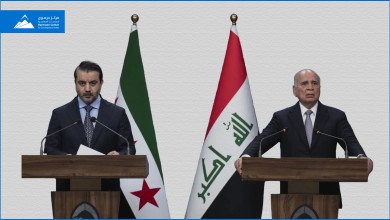
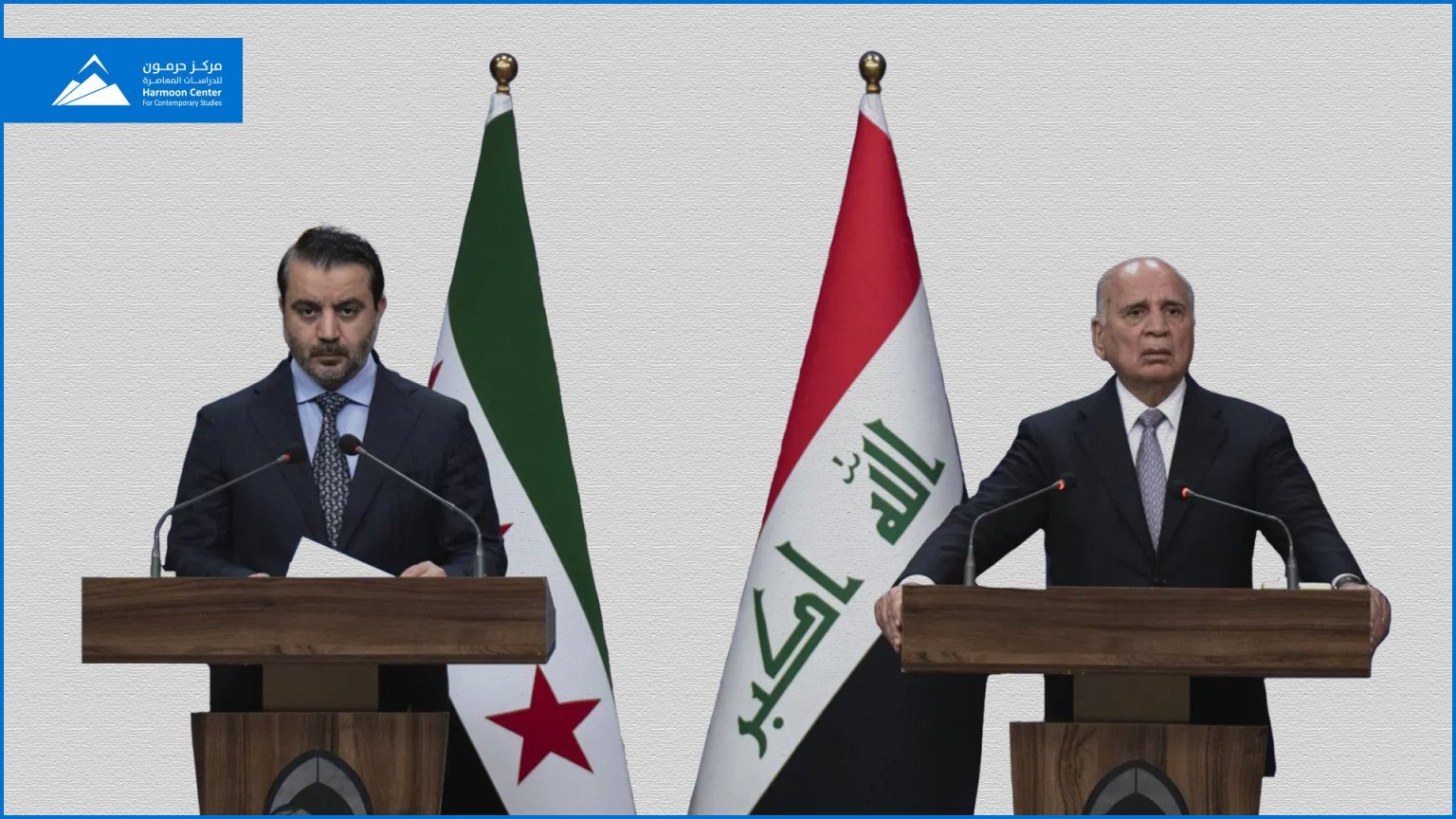
The evolving relationship between Iraq and Syria in the post-Assad era is shaped by shifting regional dynamics, security concerns, and economic considerations. Historically marked by rivalry, their interactions have been influenced by tribal ties, sectarian politics, and external actors such as Iran and the U.S. The new Syrian government faces internal instability, Kurdish tensions, and security threats, while Iraq must navigate its alliances and border security challenges. Economically, Iraq has the potential to aid Syria’s reconstruction through trade, energy cooperation, and humanitarian efforts. However, security threats and geopolitical tensions complicate collaboration, making future relations uncertain and strategically complex.
Key words
Geopolitical Rivalry, Security Challenges, Economic Cooperation, Regional Instability.
Introduction
The relationship between Iraq and Syria has long been marked by tension, competition, and shifting alliances, influenced by both regional dynamics and internal political structures. The rivalry between the two countries dates back to the days of the competing branches of the Ba’ath Party, with both states seeking to dominate the ideological and political landscape of the Arab world (BBC News, 2006). This rivalry intensified in the early 2000s, when Syria actively supported insurgent groups in Iraq following the 2003 U.S. invasion, a stance that exacerbated tensions (Mansour & Thompson, 2020). However, over time, the situation shifted, and Iraq, particularly following the rise of Iranian influence, began to support the Syrian regime, especially during the latter stages of the Syrian Civil War.
The two countries share a long border and numerous cross-border tribal connections, which have historically been a source of both cooperation and competition (Dukhan, 2019). These connections play a role in shaping the interactions between the two nations, as many tribes straddle the border and maintain deep-rooted ties on both sides. Furthermore, Iraq’s sectarian dynamics, particularly the influence of Shia militias backed by Iran, directly impact Syria, while Syria’s internal dynamics—particularly regarding the Kurdish issue—affect Iraq in turn (Dhabian, 2025). These factors create a complex web of shared interests, fears, and political calculations, influencing how Iraq and Syria engage with each other today, especially in the context of the Syrian regime’s collapse and the emergence of a new government in Damascus.
1.Regional Dynamics and Geopolitical Tensions
The collapse of the Assad regime and the emergence of a new government in Syria have shifted the regional dynamics, influencing Iraq’s diplomatic and security strategies. However, it is likely that Syria’s transition will be marked by instability and power struggles, as competing factions within the country vie for influence and control. For Iraq, the presence of Iran-backed militias and their significant influence within the Iraqi political structure creates a potential flashpoint for tensions, especially for the new Syrian government (Alaaldin, 2023). Post-Assad, Syria is particularly wary of Iraq’s growing ties with Iran, which it views as a threat to its newly established governance. The Syrian government sees Iraq’s deeper relationship with Iran as a challenge, as it competes for regional influence and presents a potential source of conflict.
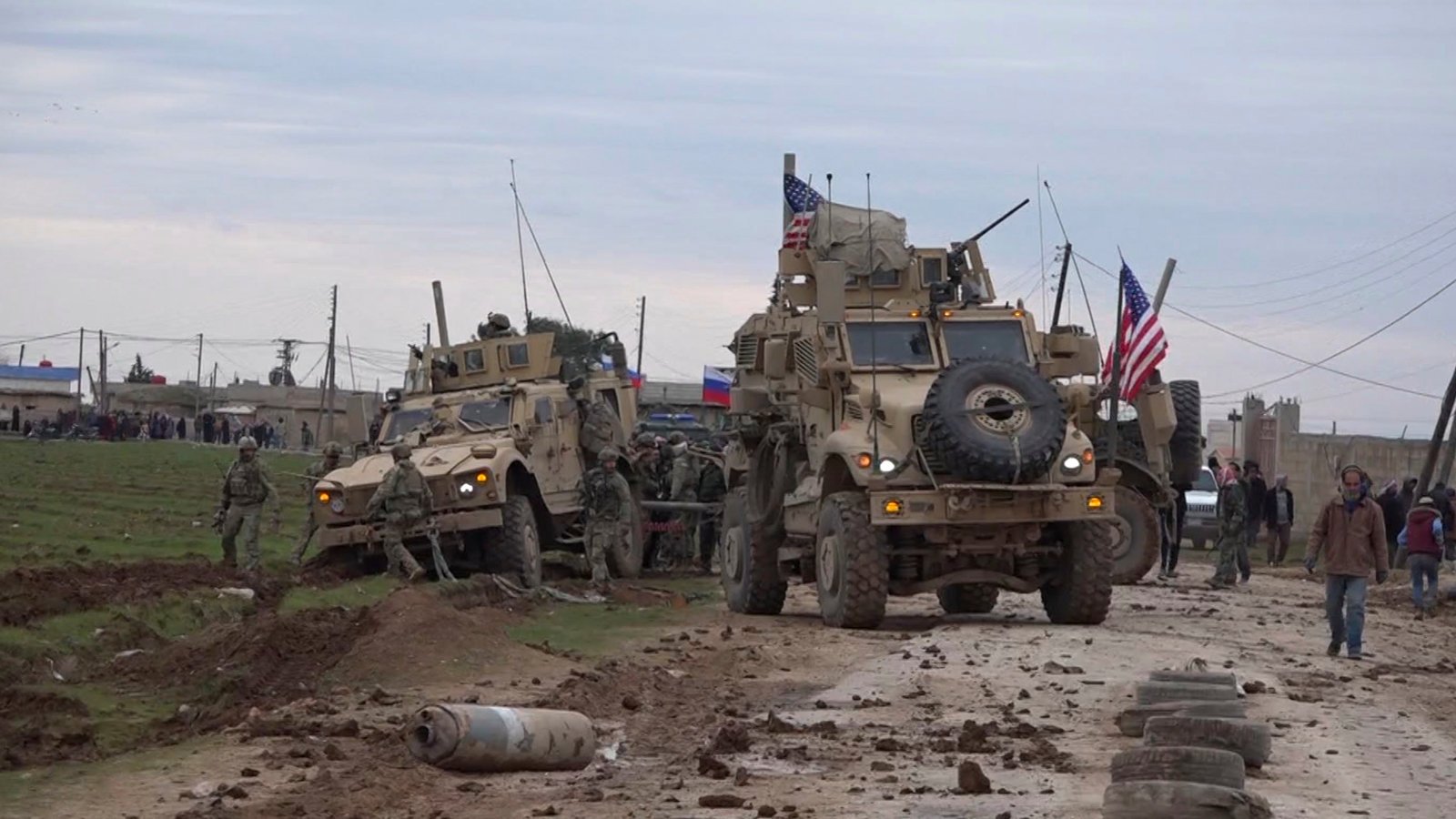
At the same time, Iraq’s cautious positioning toward Syria is shaped by external geopolitical pressures. While Iraq must balance its relations with Iran, it also seeks to maintain positive ties with the United States, which has a strong presence in Iraq (Uysal & Margolin, 2023). This dynamic complicates Iraq’s approach to Syria, where the U.S. has historically opposed Iranian influence. Iraq’s efforts to avoid becoming a battleground for proxy conflicts between regional powers like Iran, the U.S., and Israel, make its diplomatic approach to Syria more restrained.
The Kurdish factions operating across the borders of Iraq, Syria, and Turkey play a critical role in shaping Iraq-Syria relations, particularly following the establishment of the new Syrian government. In Syria, the PYD (Democratic Union Party), closely aligned with the YPG (People’s Protection Units), controls significant parts of northern Syria along the border, which complicates Iraq’s own Kurdish dynamics (Hasan & Khaddour, 2021). The PKK (Kurdistan Workers’ Party), with its transnational revolutionary agenda, has strengthened its presence in border regions, particularly in Sinjar, creating security challenges for Iraq. Turkey’s military operations against the PKK in both Iraq and Syria increase pressure on Iraq—especially the KDP-led Kurdistan Regional Government—to carefully manage internal Kurdish politics, cross-border security threats, and strategic relations with Ankara (Hasan & Khaddour, 2021).
In Syria, the new government’s reluctance toward Kurdish autonomy, combined with the lack of international backing similar to what Iraqi Kurds received in the 1990s, complicates the potential for a stable Kurdish autonomous region along the border (Palani, 2025). This creates a precarious border situation that directly affects Iraq’s internal stability and relations with Syria. Iraq, particularly the KDP-led Kurdistan Regional Government, must navigate tensions with the PKK and manage internal Kurdish politics while also seeking cooperative security arrangements with Syria’s new administration to prevent further regional instability. The PYD’s ongoing political ambitions and the Kurdish factions’ divided allegiances, amplified by regional powers such as Turkey and Iran, pose significant diplomatic and security challenges for both Iraq and Syria (Hasan & Khaddour, 2021; Palani, 2025).
2. Security Concerns and Military Tensions
Security remains a defining issue in Iraq-Syria relations, with both countries harbouring deep concerns about each other’s security landscape. Syria’s new government is particularly wary of the remnants of the Assad regime, who have taken refuge in Iraq. Their presence represents a threat not only to Syria’s post-Assad transition but also to the stability of the region, as these remnants could serve as a nucleus for counter-revolutionary activity and fuel internal power struggles within Syria (Al-Haj, 2025). These individuals, many of whom were deeply embedded in Syria’s military and intelligence apparatus, are seen as a potential destabilizing force that could threaten Syria’s fragile post-Assad transition. Damascus views their presence in Iraq with suspicion, believing they could use Iraqi territory to regroup and challenge the new government.
At the same time, Iraq has its own security concerns regarding Syria. Some of Syria’s new leaders were previously involved in the Iraqi insurgency against U.S. forces, fighting in Iraq in the mid-2000s. This historical connection raises fears in Baghdad about whether their leadership in Syria could enable new networks of instability along the shared border. Additionally, Iraq is deeply concerned about the thousands of ISIS members who remain in detention centers in northern Syria (Menmy, 2025). If these detainees were to be released or escape, they could pose a significant threat to Iraq’s stability, particularly as ISIS remnants have already attempted to reconstitute cells in Iraq’s western and northern regions.
As a result, Iraq has intensified its border security measures, increasing surveillance and military presence to prevent any infiltration of extremists or destabilizing forces (Calabrese, 2025). However, the deep-seated mistrust between the two governments, fueled by both historical grievances and current security dilemmas, may hinder broader security cooperation.
3. Economic Considerations and Cooperation
Post-Assad Syria faces enormous economic challenges, primarily in reconstruction and infrastructure development. The prolonged conflict has left Syria’s economy severely damaged, with a crippled industrial base, devastated cities, and reduced foreign investment, exacerbated by ongoing international sanctions. In this context, Iraq could play a pivotal role in Syria’s recovery, given its geographical proximity and existing economic capacities. Iraq’s incentives to engage economically with Syria are multifaceted, including the stimulation of its own economy, diversification of trade partners, and strengthening regional stability (Hassan, 2025).
Iraq stands to benefit significantly from increased cross-border trade with Syria. Reconstruction in Syria represents a lucrative opportunity for Iraqi businesses specializing in construction materials, logistics, and industrial goods. The revitalization of historic trade routes, such as the Al-Qaim border crossing, could not only bolster Iraq’s economic growth but also stabilize trade corridors essential for the wider regional economy.
Additionally, Iraq has a clear incentive to participate in Syria’s reconstruction through the potential expansion of its energy markets. Syria’s war-ravaged energy infrastructure creates a substantial demand for oil and electricity, sectors in which Iraq already possesses established capabilities. By exporting oil and developing cross-border energy infrastructure, such as pipelines and electricity transmission lines, Iraq could secure a stable and profitable market, reducing its dependency on volatile international energy markets.
Another incentive lies in agricultural cooperation. Iraq, having faced its own agricultural challenges, could leverage Syria’s fertile lands and agricultural expertise to enhance food security in both nations. Joint agricultural projects would enable shared investments in irrigation systems, crop production, and technology transfers, benefiting both economies significantly.
Humanitarian considerations also offer Iraq an incentive for involvement. With hundreds of thousands of Syrian refugees hosted in Iraq, facilitating Syria’s economic recovery could create conditions conducive to voluntary repatriation, thereby reducing Iraq’s humanitarian and economic burdens associated with refugee support (UNICEF, 2021). Iraq’s proactive humanitarian role can also strengthen its international diplomatic standing.
However, Iraq’s economic engagement with Syria is tempered by the instability still prevalent within Syria, particularly in the eastern regions. Ongoing security concerns pose risks to investment and trade continuity, making extensive commitments challenging. Iraq’s economic strategy toward Syria must, therefore, remain flexible and adaptive to changing security conditions.
Furthermore, Iraq must carefully balance its economic interests with the competing regional influences of Iran and the Arab League. Fostering cooperation with the new Syrian government could provoke Iran and members of the axis of resistance, who are wary of the fall of the Syrian regime and its impact on the axis’ influence in the region.
4. Possible Trajectories for Iraq-Syria Relations
The relationship between Iraq and Syria in the post-Assad era remains fluid and highly dependent on multiple factors, including internal political developments, regional dynamics, and global geopolitical shifts. There are several potential trajectories for their relationship, shaped by both cooperation and conflict, which can influence their future interactions in varying ways.
1. Cooperative Trajectory: In the best-case scenario, Iraq and Syria could move toward a more stable and cooperative relationship, especially in terms of economic partnership and security coordination. Iraq could become an important trade partner for Syria, facilitating access to energy resources and trade routes, which would be crucial for Syria’s reconstruction. Bilateral economic cooperation could help Syria address its immediate humanitarian needs, while Iraq could benefit from access to Syrian markets and the possibility of joint infrastructure projects. On the security front, Iraq and Syria might collaborate more closely to combat terrorist cells, such as ISIS remnants that still pose a threat to both countries. This cooperative dynamic would be most likely if Iraq and Syria can overcome their historical mistrust, particularly regarding the remnants of the Assad regime and cross-border militancy.
2. Tense and Cautious Relations: A more likely scenario could involve cautious cooperation, where both Iraq and Syria balance their strategic interests while maintaining a wary stance towards each other. Iraq will likely continue to be cautious about Syria’s internal political shifts and geopolitical alliances, particularly Syria’s ties with Turkey. This could result in a situation where both countries engage in limited cooperation on humanitarian and economic matters, such as refugee issues and border management, but refrain from deeper commitments due to the broader geopolitical complexities, including Iraq’s relationships with Iran.
3. Fragmented Relations: A worst-case scenario could see a renewed period of tensions and fragmentation, where Iraq and Syria become indirect adversaries, with each side increasingly vulnerable to external influences. In this scenario, Syria’s government might struggle to regain full control over its territory, leading to further instability along their shared border. If ISIS remnants or other insurgent groups were to thrive in Syria, this could spill over into Iraq, leading to heightened security challenges. Additionally, Syria’s wariness of Iraq’s growing ties with Iran and the new Syrian leadership’s concern about the influence of the Assad’s regime remnants could create a diplomatic deadlock. This would be further exacerbated by external regional players pushing both countries into opposing camps. In such a scenario, the potential for proxy conflicts, along with increased sectarian and tribal tensions, would be high, making collaboration difficult and conflict more likely.
Conclusion
The relationship between Iraq and Syria in the post-Assad era is marked by a complex mix of historical grievances, security concerns, economic opportunities, and geopolitical challenges. The collapse of the Assad regime and the emergence of a new government in Syria have shifted the regional dynamics, influencing Iraq’s diplomatic and security strategies. While there are potential areas of cooperation, particularly in trade and energy, both countries are cautious of each other’s internal and external political alignments, which complicates their interactions. Iraq’s careful positioning, balancing its ties with Iran and the U.S., alongside its concern over Syria’s security challenges, means that the future trajectory of their relationship remains uncertain.
Recommendations
Diplomatic Engagement
- Strengthening Bilateral Relations: Iraq and Syria should initiate regular diplomatic dialogue to address mutual security concerns, particularly regarding cross-border militancy and the remnants of the Assad regime. Establishing a joint security commission could serve as a platform for resolving ongoing tensions and enhancing communication.
- International Mediation: Encourage the involvement of neutral international actors, such as the Arab League, to mediate discussions between Iraq and Syria. This could help ease diplomatic strains and provide a neutral ground for dialogue on sensitive issues, such as the status of Kurdish factions and the role of Iran in both countries.
Economic Partnerships
- Trade and Reconstruction: Iraq should take a leading role in Syria’s economic recovery by fostering trade partnerships and participating in reconstruction efforts, particularly in sectors like energy, infrastructure, and agriculture. Establishing cross-border energy pipelines and electricity grids could be beneficial for both nations, ensuring a stable energy supply and strengthening economic ties.
- Humanitarian Support: Iraq could prioritize initiatives aimed at addressing the humanitarian crisis in Syria, particularly in areas where both countries share refugee populations. Joint efforts to facilitate the return of refugees, with international support, would reduce the economic burden on Iraq while aiding Syria’s post-conflict recovery.
Security Cooperation
- Border Security and Counterterrorism: Both countries should establish a cooperative framework for managing border security and combatting transnational terrorist organizations, particularly ISIS. This could involve joint military patrols along key border areas and intelligence-sharing mechanisms to prevent the movement of extremist groups between Iraq and Syria.
- Dealing with Militant Groups: The remnants of Assad’s regime remain a threat to the stability of Syria. A coordinated approach to neutralizing these remnants would contribute to regional stability. Iraq should hand over these groups to Syria to face justice in return of for guarantees of security along their shared borders and commitments from Syria to prevent the resurgence of insurgent activities that could destabilize Iraq.
References
Alaaldin, R. (2023, October 4). Iraq’s Prime Minister Sudani’s tricky balancing act. Middle East Council. https://mecouncil.org/publication/iraqs-prime-minister-sudanis-tricky-balancing-act/
Al-Haj, M. (2025, February 12). A timed bomb and another dysfunctional one: What threat do the “remnants of Assad” pose? Al Jazeera. https://www.aljazeera.net/politics/2025/2/12/%D9%82%D9%86%D8%A8%D9%84%D8%A9-%D9%85%D9%88%D9%82%D9%88%D8%AA%D8%A9-%D9%88%D8%A3%D8%AE%D8%B1%D9%89-%D9%85%D8%B9%D8%B7%D9%88%D8%A8%D8%A9-%D8%A3%D9%8A-%D8%AE%D8%B7%D8%B1-%D8%AA%D8%B4%D9%83%D9%84%D9%87
BBC News. (2006, November 28). Syria and Iraq sign security pact. BBC. http://news.bbc.co.uk/1/hi/world/middle_east/6167968.stm
Calabrese, J. (2025, January 25). Iraq on edge: The regional fallout from Syria’s unraveling. Modern Diplomacy. https://moderndiplomacy.eu/2025/01/25/iraq-on-edge-the-regional-fallout-from-syrias-unraveling/
Dhabian, O. (2025, January 14). Iraqi stance on events in Syria: Between legitimate fears and sectarian rhetoric. The Washington Institute for Near East Policy. https://www.washingtoninstitute.org/policy-analysis/iraqi-stance-events-syria-between-legitimate-fears-and-sectarian-rhetoric
Dukhan, H. (2019). State and tribes in Syria: Informal alliances and conflict patterns. Routledge.
Guneylioglu, M. (2025, January 31). Reconsidering Turkey’s influence on the Syrian conflict. Royal United Services Institute. https://www.rusi.org/explore-our-research/publications/commentary/reconsidering-turkeys-influence-syrian-conflict
Hassan, K. (2025). How Iraq can support post-Assad Syria. Stimson Center. https://www.stimson.org/2025/how-iraq-can-support-post-assad-syria/
Hasan, H., & Khaddour, K. (2021, March 4). The making of the Kurdish frontier: Power, conflict, and governance in the Iraqi-Syrian borderlands. Carnegie Endowment for International Peace. https://carnegieendowment.org/research/2021/03/the-making-of-the-kurdish-frontier-power-conflict-and-governance-in-the-iraqi-syrian-borderlands?lang=en¢er=middle-east
Mansour, I., & Thompson, W. R. (2020). Shocks and rivalries in the Middle East and North Africa. Georgetown University Press.
Menmy, D. T. (2025, February 26). Iraqi security delegation to visit Syria for talks on border security and ISIS threat. The New Arab. https://www.newarab.com/news/iraqi-delegation-visit-syria-border-security-isis-threat
Palani, K. (2025, February 6). Why Kurds in Syria are unlikely to follow the Iraqi Kurdistan path to autonomy. LSE Middle East Centre Blog. https://blogs.lse.ac.uk/mec/2025/02/06/why-kurds-in-syria-are-unlikely-to-follow-the-iraqi-kurdistan-path-to-autonomy/
UNICEF. (2021, March 15). Ten years on, Syrian refugees’ lives in Iraq are growing tougher, and past gains might be lost. UNICEF. https://www.unicef.org/iraq/press-releases/ten-years-syrian-refugees-lives-iraq-are-growing-tougher-and-past-gains-might-be Uysal, S., & Margolin, D. (2023, June 17). A new era in Iraq’s relations with the West? The Washington Institute for Near East Policy. https://www.washingtoninstitute.org/policy-analysis/new-era-iraqs-relations-west