


مركز حرمون للدراسات المعاصرةمركز حرمون للدراسات المعاصرة
  • About Us
    • About Us
    • Research team
    • Center’s brochure
  • Publications
    • Research
    • Reports
    • Policy Analysis
    • Situation Assessment
    • Case Analysis
    • Articles
  • Activities
    • Conferences
    • Center News
  • Media
    • Analytical Maps
    • Infograph
    • Videos
×
مركز حرمون للدراسات المعاصرةمركز حرمون للدراسات المعاصرة
بحث
  • About Us
    • About Us
    • Research team
    • Center’s brochure
  • Publications
    • Research
    • Reports
    • Policy Analysis
    • Situation Assessment
    • Case Analysis
    • Articles
  • Activities
    • Conferences
    • Center News
  • Media
    • Analytical Maps
    • Infograph
    • Videos
Follow US
جميع الحقوق محفوظة لمركز حرمون للدراسات © 2023

Economic Reform in Syria during the First Decade of Bashar al-Assad’s Presidency

Samir Seifan

Samir Seifan

Published 24 January ,2024
  Download Article
Share
SHARE

Part I:Introduction

1.1 Inheriting Power, Bashar al-Assad Raises Prospects of Reform

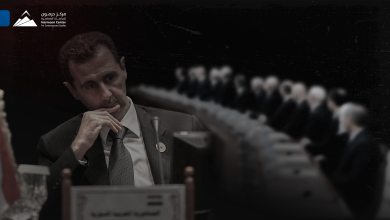
Following Hafez al-Assad’s death on June 10, 2000, Bashar al-Assad succeeded his father as president. Syrians refrained from openly discussing this succession due to their apprehension of the regime’s customary violence that had persisted for almost four decades. There was a collective hope that, unlike his father, this “young man” would bring a more open-minded approach.

In his inauguration speech on July 17, 2000,after winning the presidential “referendum” with a staggering 99.7% majority, Bashar al-Assad vaguely pledged change. Even before assuming the presidency, he had positioned himself as a “reformist.” In the initial months of his inherited presidency, there were vague indications of imminent change, particularly on the economic front, where Assad and his regime aimed to implement some reforms. However, he swiftly suppressed the burgeoning Damascus Spring of 2000, a movement that had taken root in every Syrian city and various cultural forums during a brief period when the regime’s security services turned a blind eye.

Economic and administrative reform took center stage in government initiatives. Assad aimed to instill hope in the business sector by pursuing economic openness, which spelled material benefits. This strategy endeared him to the middle and upper urban classes, positioning him as the rightful heir to his father’s authority. Simultaneously, it served as a diversion from political reform, allowing him to follow in his father’s footsteps in seizing power and employing familiar tools of governance.

You can read the entire report by clicking on the “Download” tab.


  Download Article

TAGGED: Syria ، Bashar al-Assad
Share this Article
Facebook Twitter Copy Link Print
Share

Author's articles

Assad’s Hard Choices

Lessons of the Bosnian and Syrian Wars

On the potential return of Syrian refugees to their country

Leave a comment

Leave a Reply Cancel reply

Your email address will not be published. Required fields are marked *

Previous Article The Syrian-Jordanian Border: From Captagon to Weapons
Next Article On the potential return of Syrian refugees to their country

You Might Also Like

Harmoon Centre Monitoring Report, May 2025

The reality on the ground for governance and administration has continued to improve throughout May. The Transitional Justice Council has been created, and was initially directed to prepare internal governing principles and general working policies....

1 July ,2025

Geopolitics of Aid in Northwest Syria: How Donor Politics Shaped the Aid Landscape Before Assad’s Fall

The Syrian conflict created a devastating humanitarian crisis, with Northwest Syria (NWS) emerging as a critical arena for international aid....

Fateh Shaban

Fateh Shaban

30 June ,2025

Syria’s Energy Challenge: Security and Reconstruction

The end of international sanctions has removed a significant burden weighing on the shoulders of Syria - a burden that has long thwarted the country’s path to economic recovery, and the revitalisation of its social and economic sectors. And yet, numerous challenges continue to hamper Syria’s path to reconstruction and lasting stability.

25 June ,2025

Subscribe to the Newsletter


  • Harmoon Center
  • Vision & Mission
  • Careers
  • Center’s brochure
  • Contact Us
  • Staff Members
All rights reserved to Harmoon © 2024
certifiedISO27001 certifiedISO9001

Removed from reading list

Undo
Welcome Back!

Sign in to your account

Lost your password?