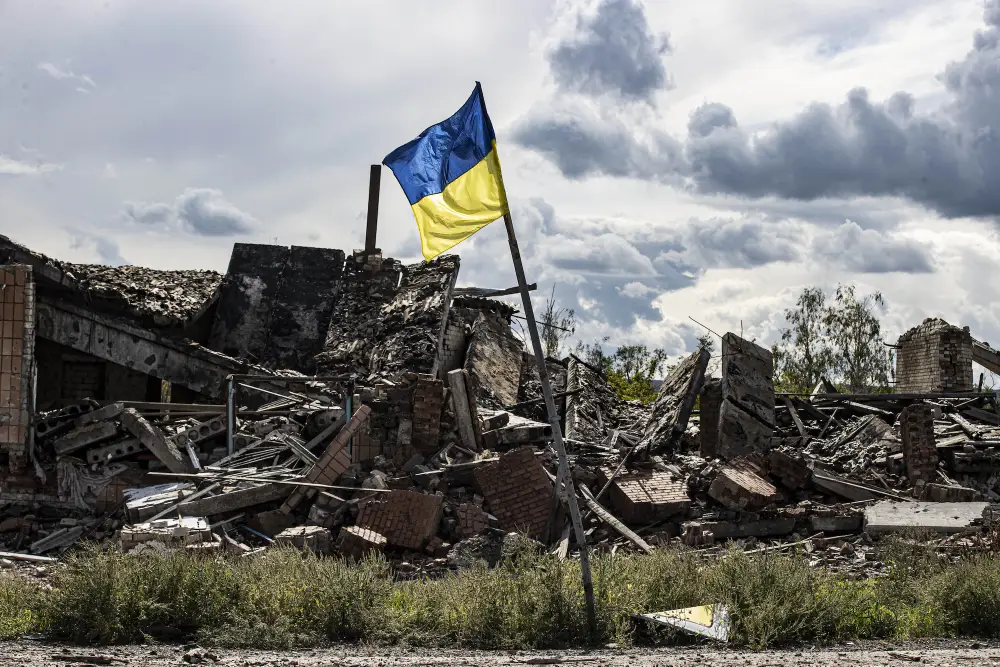




The renewal of the cross-border humanitarian mechanism to Syria, first mentioned in Resolution 2165 (2014), has become a painstaking process within the Security Council. Over the past several years, when the UNSC Members came together to discuss the extension of the mechanism, there were heated debates on the pros and the cons of the mechanism. While Russia questioned the efficacy and tried to limit cross-border aid, other countries saw it as being essential for millions of Syrians. The mandate of Resolution 2585 (2021) expired on July 10, 2022. Two days later, and after rigorous negotiations, could the mandate be extended. The debate at the Security Council was heavily overshadowed by the war in Ukraine and the political atmosphere that was a result of it.
Cross-border aid vs. Cross-line aid
UNSC Resolution 2165 (2014), authorized UN agencies and their partners to use routes across conflict lines and the border crossings of Bab al-Salam, Bab al-Hawa, Al Yarubiyah and Al-Ramtha, in addition to those already in use, to deliver humanitarian assistance to the people in need in Syria.
Throughout the years, due to Russia’s objections, cross-border delivery of humanitarian aid to Syria via Türkiye became more and more limited. Among the several border crossings listed above, the delivery of aid became only possible via the Bab al-Hawa/Cilvegözü border crossing.
One of the reasons behind Russia’s objection was that cross-border humanitarian assistance was delivered to Syria without the permission of Bashar Al-Assad. The Assad regime was only notified. Therefore, Russia pushed for crossline aid, where the aid would go through Damascus. This, Russia believed, would increase the legitimacy of the Al-Assad regime.
Resolution 2585 (2021)
The most recent Resolution on delivering humanitarian aid to Syria, namely 2585 (2021), extended the use of the Bab al-Hawa/Cilvegözü border crossing for the delivery of humanitarian aid for six months, with a subsequent renewal upon approval for another six months, until July 10, 2022.
The political landscape was fundamentally different during the time of the discussions of 2585(2021). President Joe Biden and President Vladimir Putin had just met and agreed to more cooperation and dialogue. Therefore, there was a positive atmosphere that helped find a common ground.
After the adoption of the Resolution, the Russian Envoy expressed how grateful he was for reaching a compromise and thanked the US delegation for working in the spirit of the commitments achieved during the US-Russian summit.
One important note is that a deal was reached when the negotiating parties agreed on an effort to increase cross-line aid deliveries.
The Role of the UN in Delivering Humanitarian Aid to Syria
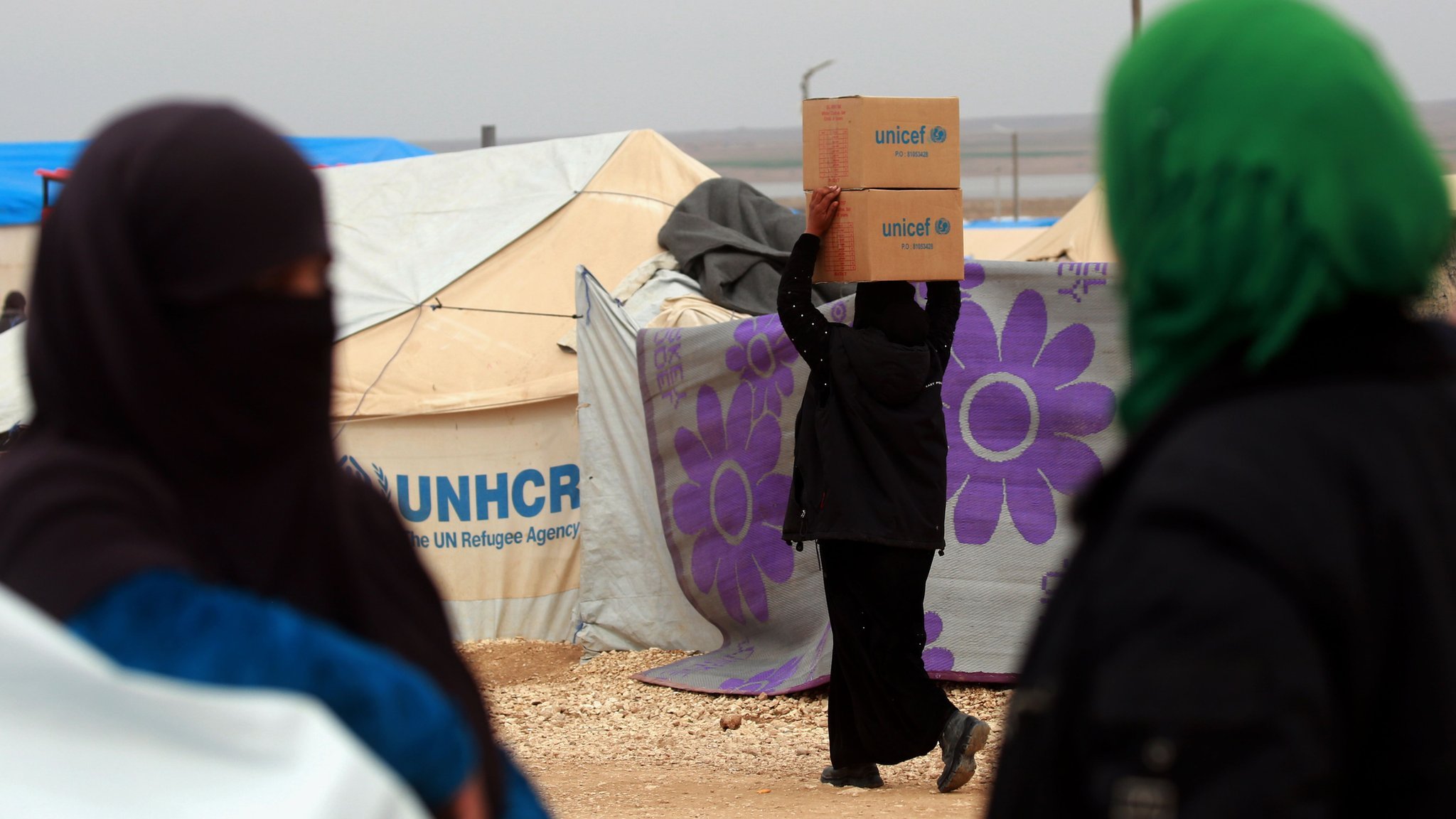
According to the June 2022 UN Situation Report on North-West Syria, among the 4.4 million living in north-west Syria, 4.1 million people are in need, 3.1 million face food insecurity, 2.8 million are internally displaced people (IDPs) and 1.7 million of the IDPs are living in camps. These figures alone show the vital need for organized and sustainable humanitarian assistance.
In his briefing on June 20th, Under-Secretary-General for Humanitarian Affairs and Emergency Relief Coordinator Martin Griffiths said “with Resolution 2585(2021) 2.9 million people have benefited from humanitarian aid efforts. From January to April, health sector partners trained close to 15,000 healthcare workers and rehabilitated 106 healthcare facilities that service up to 400,000 people; education partners have restored over 1,500 classrooms. Five cross-line convoys have been deployed, opening access to north-west Syria for the first time since 2017 and providing food for over 43,000 people each time.”
It was clear that cross-line humanitarian aid fell significantly short of providing timely and sufficient aid.
The Outcry of the Humanitarian NGOs
As the deadline for the extension drew closer, humanitarian NGOs raised concerns about the possible halt of cross-border operations.
Even though the UN is the biggest humanitarian aid provider in Syria, there are several NGOs that use the border crossing to deliver aid to the Syrian people. Without the presence of the UN, it would be difficult for NGOs to operate in Syria. The lack of UN assistance would also limit their impact and ability to reach greater numbers of people in need.
Because of these reasons, in mid-June, 32 NGOs, delivering aid to Syria called out on the UNSC to renew the Resolution for a period of 12 months. In an open letter to the UNSC Members, the NGOs reiterated the striking fact that, since the adoption of Resolution 2585 (2021), only five cross-line deliveries reached the northwest and each one provided assistance to less than 50,000 people, compared to the 2.4 million people reached each month via cross-border operations. According to the NGOs, “at a time when humanitarian needs are the highest they have ever been, cross-border aid was crucial for the needs of the Syrian people.”
Just before the deadline, over the weekend the NGOs again called on the UNSC and drew attention to the severe humanitarian consequences of a halt.
The Stance of the Security Council Members
In their meeting on June 20th, 2022, while some members underlined the importance of the cross-border mechanism, others urged the full implementation of Resolution 2585 (2021) and drew attention to the security threats posed by certain groups within Syria that hampered the delivery of cross-line aid.
The US Representative to UN, Linda Thomas-Greenfield said “aid workers reach 2.4 million people and feed 1.8 million in Syria’s north-west every month, pulling families back from the brink of famine.” The US envoy went on to say that the Bab al-Hawa/Cilvegözü border crossing was one of the most closely monitored and inspected in the world, as the work there “set a gold standard”.
As was the case in previous discussions, Russia raised several questions about the cross-border delivery system and claimed that contrary to the commitments made, no substantial cross-line aid was delivered to Syria via Resolution 2585 (2021). The Russian Ambassador to the U.N. stressed that all parts of Syria can be served by humanitarian deliveries coordinated with Damascus.
Emphasizing that there was no hidden agenda and the aim is nothing but to save lives, the Representative of Türkiye, Ambassador Sinirlioğlu stated that “the worst manmade humanitarian crisis since the Second World War is still unfolding in Syria, with 4.1 million of the 4.4 million living in north-west Syria requiring humanitarian aid, and 2.8 million people internally displaced. The Bab al-Hawa border crossing delivers aid to 2.4 million people, with 800 trucks every month, and has provided 2 million doses of COVID-19 vaccines.”
Other Members indicated that the cross-border mechanism was an exceptional and temporary solution that could not be considered in the long term.
The views expressed during the second meeting of the UNSC on June 29th were very similar to those voiced nearly 10 days ago and indicated that this time there would be an impasse.
Russia’s Veto
During last week’s Security Council meeting Russia vetoed the one-year extension of the mandate of the mechanism. China abstained. The rest of the UNSC members supported the Resolution tabled by Norway and Ireland. Russia in return tabled its proposal which did not get the necessary support of the UNSC members.
For a resolution to be adopted at the UNSC, at least 9 of the 15 members must vote in favor, and none of the permanent members (USA, Russia, China, the UK and France) must use their veto power.
The Compromise
With no agreement reached the mandate of the mechanism expired as of July 10. A similar situation occurred two years ago, and the UNSC worked to find a solution. This time again a settlement was reached. However, the US, the UK and France abstained. Contrary to the previous Resolutions, the new one extends the mandate only for a six months period. Something most UNSC members and NGOs were against because of difficulties that might arise from the planning and the timely delivery of aid, as well as the challenges faced in finding an alternative way of sending aid in such a short period.
After the meeting, UN Secretary-General Guterres said that he strongly hoped for another six-month extension as the cross-border aid deliveries were a matter of life and death for many Syrians.
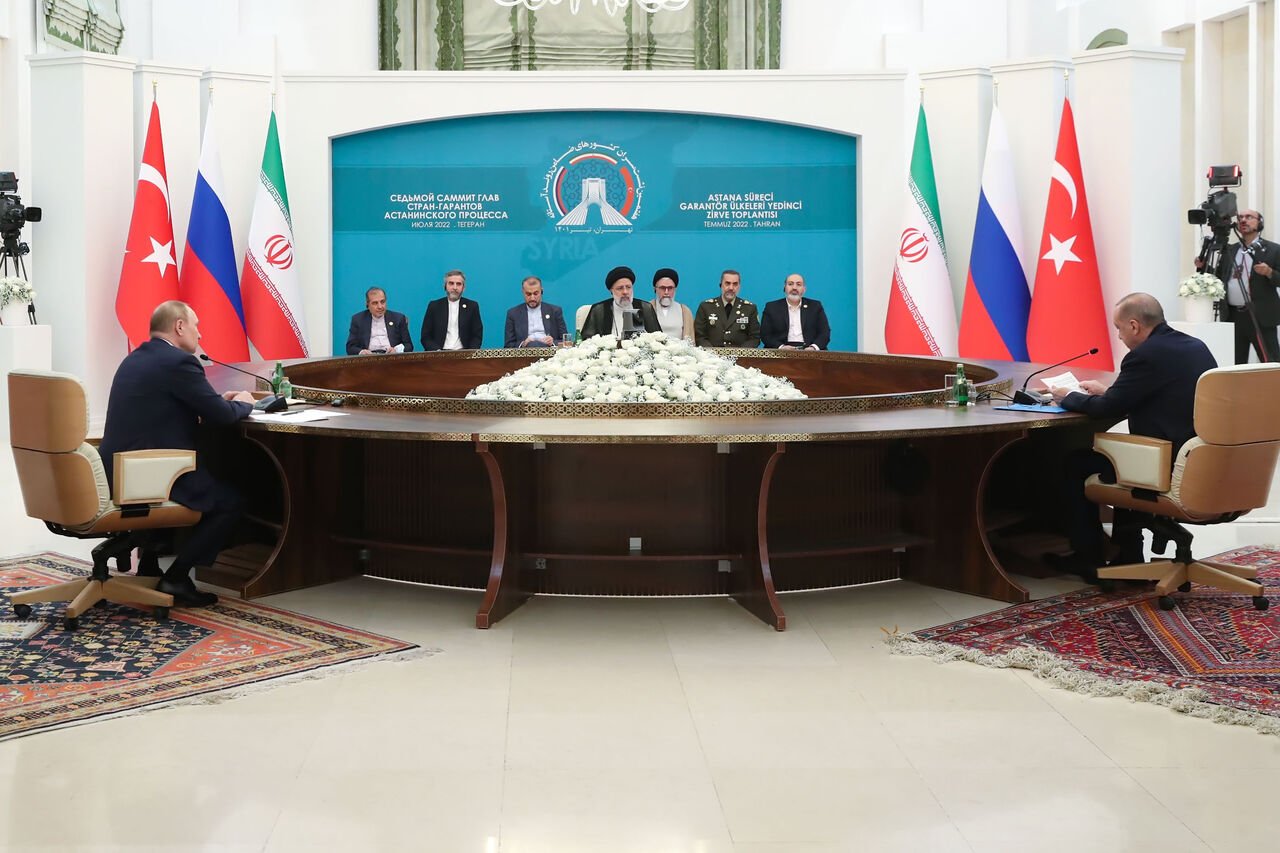
The discussions among members of the Security Council clearly and unfortunately show that not all countries truly care about the well-being of the Syrian people. For some of them, the legitimacy of the Syrian regime is of greater importance. During this week’s Astana Summit in Tehran the importance of providing continuous humanitarian assistance to Syria was underlined. I hope that all sides will abide by the Joint Declaration adopted after the meeting.
Towards the end of this year, we will again witness the same debates as the Resolution’s mandate nears its deadline. Coinciding with heavy winter conditions, hopefully, this time members will set aside their political agendas and reach a better compromise.