


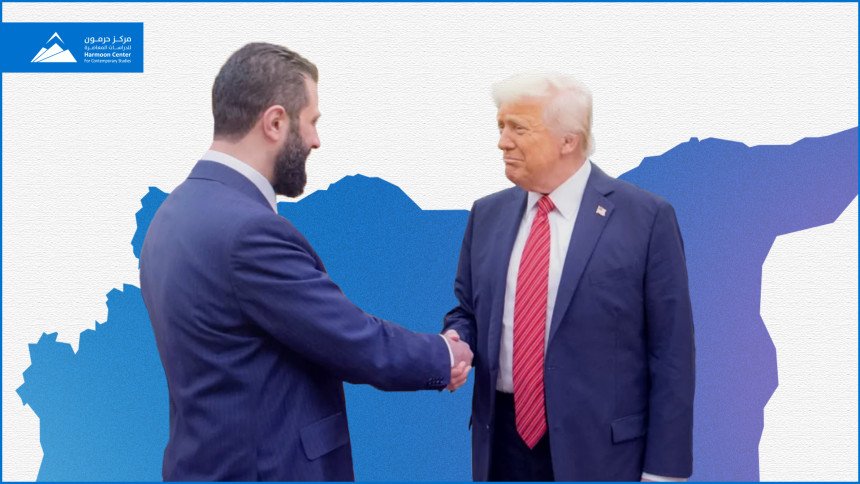
Lifting US Sanctions on Syria: From International Isolation to Regional Realignment
During his May visit to the region US President Donald Trump gave the surprise announcement that he would lift the sanctions imposed on Syria - at a moment of rapidly evolving regional and
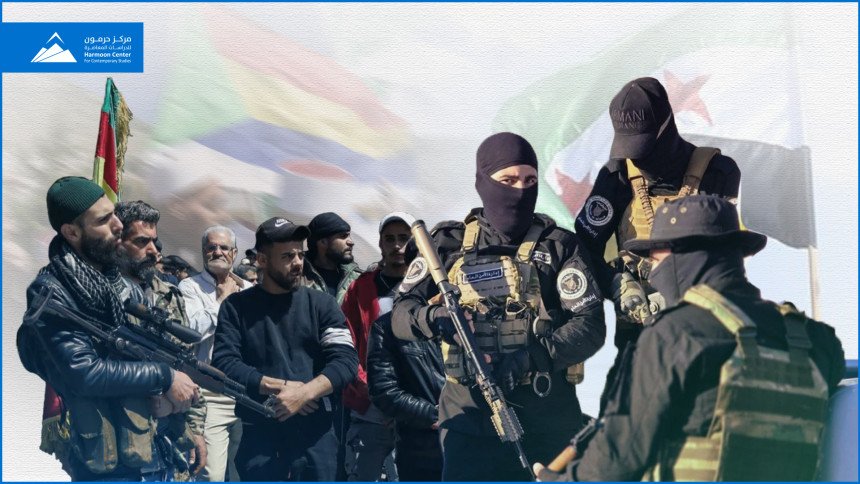
Sectarian Tensions and Israeli Intervention: Interpreting the Violence in Jaramana, Ashrafiyyat Sahnaya, and as-Sweidaa
In late April 2025, armed groups launched sudden, violent attacks on several Syrian Druze-populated areas, including Jaramana, Ashrafiyyat Sahnaya, and villages in the west of as-Sweidaa. The assaults escalated rapidly, and lacked any clear provocation. Given their timing and execution, the attacks appeared premeditated and designed to inflame sectarian tensions. The initial outbreak of unrest was notionally sparked by a…
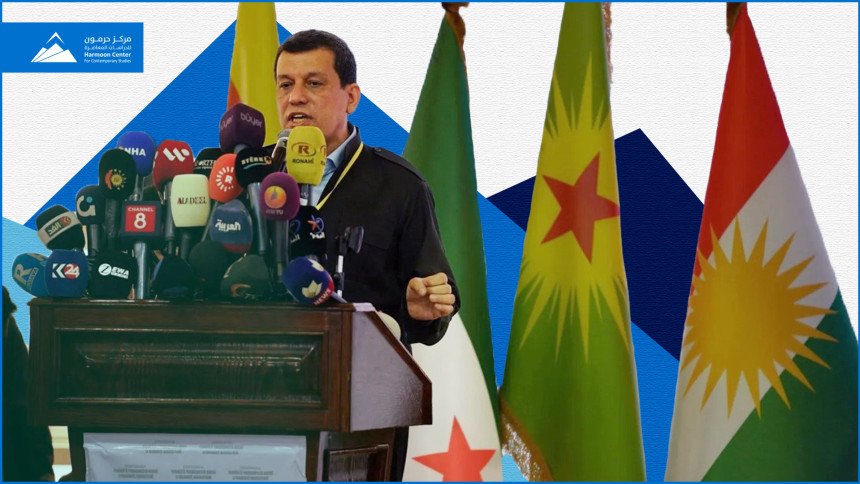
Kurdish Unity Conference in Qamishli: The Possibility of Progress or Pure Opportunism?
In the shadow of the redeployment of US and international coalition forces in the north and east of Syria, amid the stagnation of Washington’s stance toward the Syrian transitional administration, and Turkey’s close monitoring of affairs on their southern border, key Kurdish political actors held a conference entitled “The Unity of Kurdish Ranks and Positions in Rojava Kurdistan” in Qamishli…
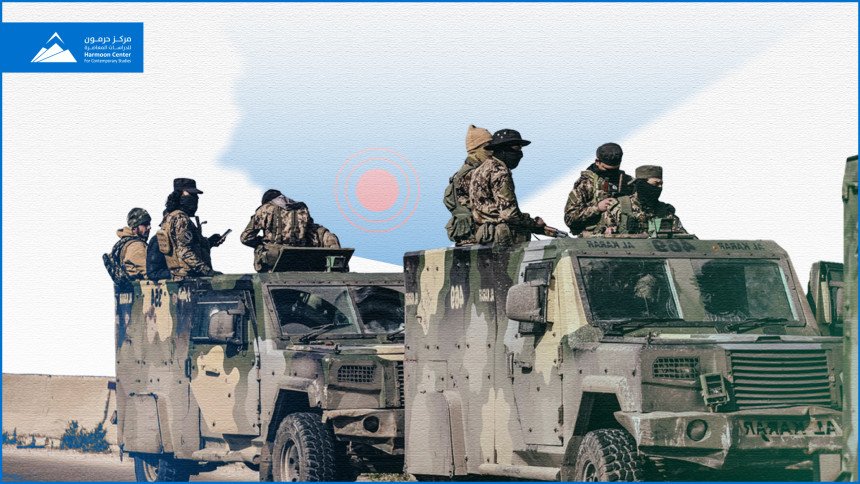
Challenges to Building and Unifying the Syrian National Army: The Case of the Eighth Brigade’s Disbandment in Busra al-Sham
The decision to disband the Eighth Brigade in Busra al-Sham in April 2025 marked a pivotal moment in the post-Assad era in Syria. This military formation had been one of the most significant outcomes of the Russian-brokered settlement in southern Syria since 2018
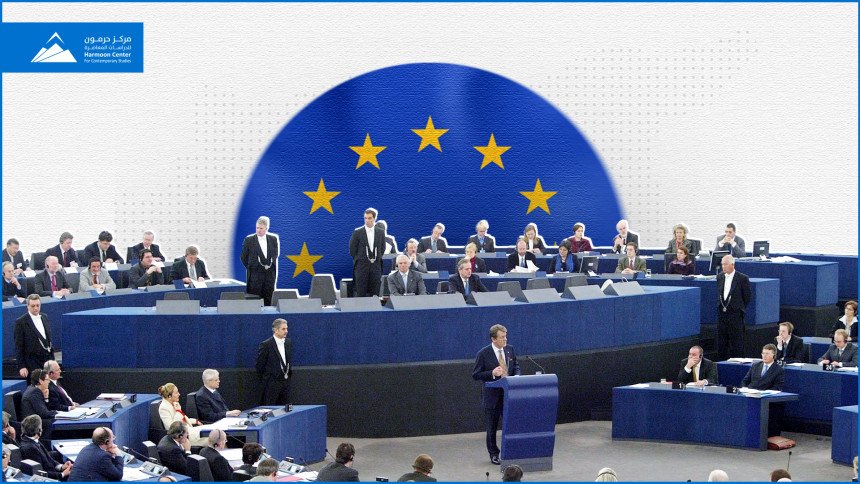
European Sanctions on Syria: What’s Next?
Following the fall of the Assad regime on December 8, 2024, European powers began to reassess their sanctions policies concerning Syria. They issued official statements and conducted visits affirming support for a peaceful transitional process, while emphasising and prioritising human rights and civil liberties. In the wake of Assad’s fall
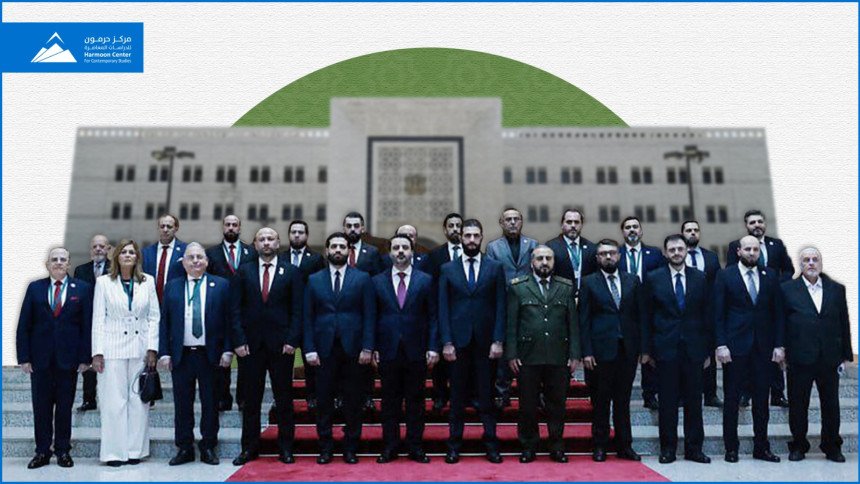
Syria’s New Transitional Government: Ambitions and Challenges
The Syrian Transitional Government has been established as the second pillar of the country’s new governance structure. Following the Constitutional Declaration for the Transitional Period, Syria’s new leaders announced the government's formation on Saturday March 29, 2025, during a televised ceremony at the Presidential Palace. As the “executive authority,”
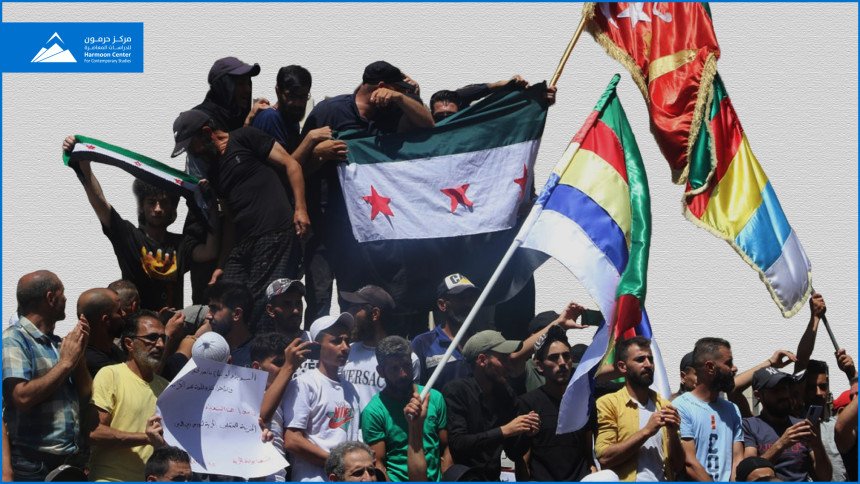
As-sweida After Assad’s Fall: Understanding Political Demands and the Dynamics of Military Power
When the Assad regime fell on December 8, 2024, Al-Suwayda stood out as a Syrian city that had sustained the revolutionary momentum that had already begun in August 2023. This movement, driven by political demands, created the space for various political wings and factions. Many of them differed in their visions for the governorate’s administrative structure
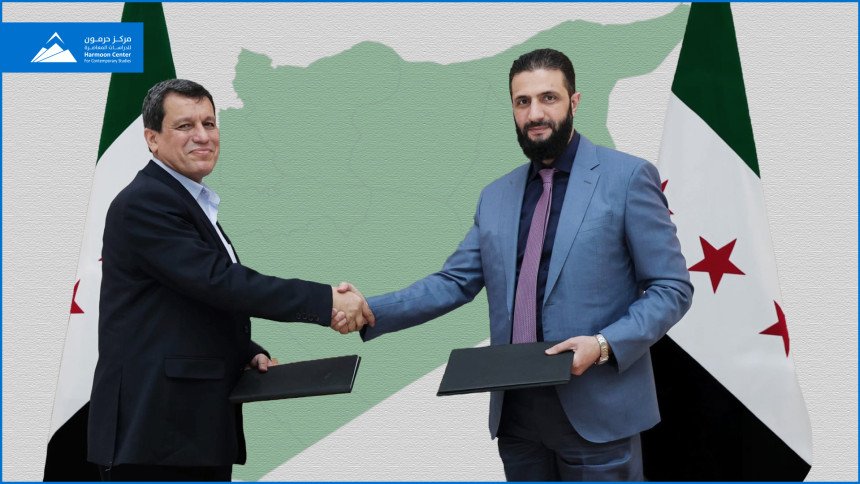
A landmark pact between the Syrian Government and the SDF:Challenges of Implementation and Future Prospects
Political and military agreements between local actors play a crucial role in shaping the future of countries as they emerge from protracted crises. In the case of Syria, the new accord between the government and the Syrian Democratic Forces (SDF) marks a pivotal shift that could redefine the country’s political and security landscape. Following the meeting between President Ahmed al-Sharaa…

Al-Jolani’s exit from violence and the transformation to al-Sharaa
This paper examines the ideological, strategic, and governance transformation of Abu Mohammad al-Jolani,
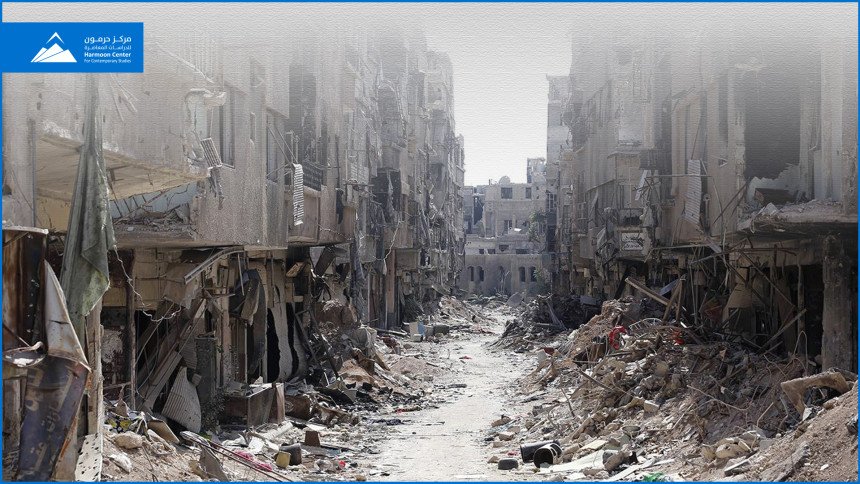
The Challenges of Reconstruction after Syria’s Devastation
Introduction Recommendations and Results Introduction During the Syrian revolution, cities and rural areas across the country suffered the ruination of infrastructure, essential services, and homes. Millions of Syrians were displaced and large sectors of the economy were destroyed. Following the fall of the Assad regime, which played a central role in this devastation, the challenge of physical reconstruction is still…