



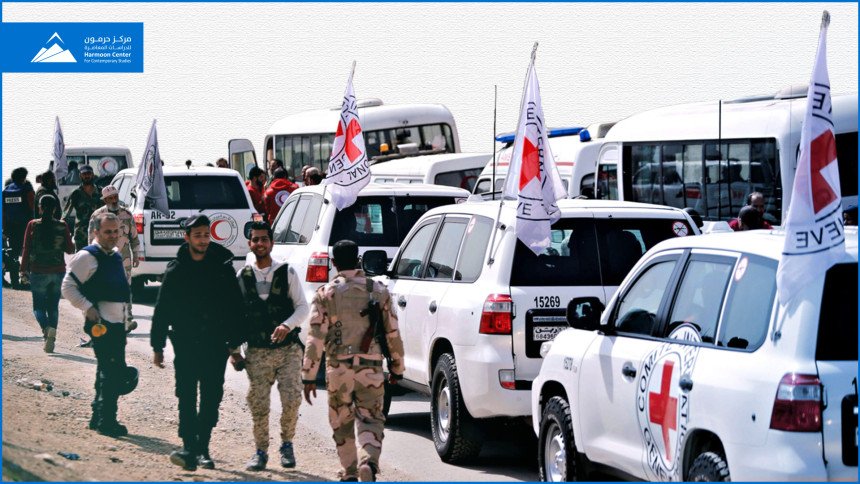
Geopolitics of Aid in Northwest Syria: How Donor Politics Shaped the Aid Landscape Before Assad’s Fall
The Syrian conflict created a devastating humanitarian crisis, with Northwest Syria (NWS) emerging as a critical arena for international aid....

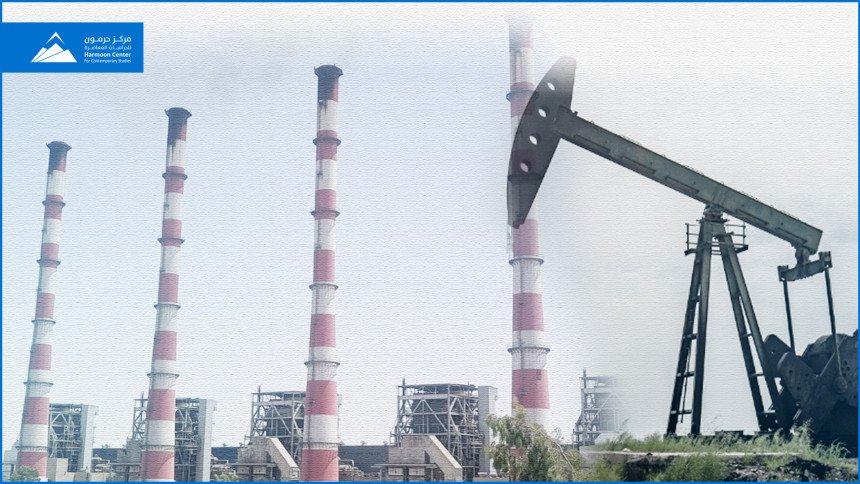
Syria’s Energy Challenge: Security and Reconstruction
The end of international sanctions has removed a significant burden weighing on the shoulders of Syria - a burden that has long thwarted the country’s path to economic recovery, and the revitalisation of its social and economic sectors. And yet, numerous challenges continue to hamper Syria’s path to reconstruction and lasting stability.
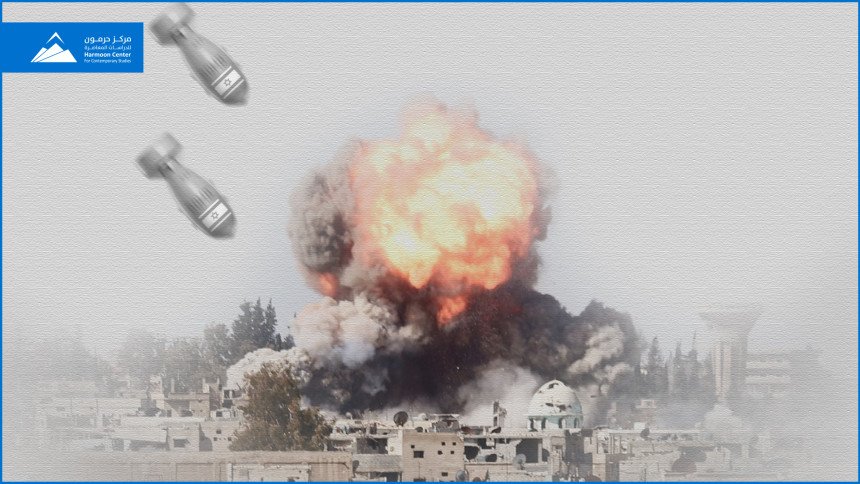
The New Syria and the Challenge from Israel: Confronting Escalation and Aggression with a Regional Strategy
In the aftermath of the Assad regime’s fall, live conflict between Israel and Syria has reached a critical juncture in the history of relations between the two countries. The Assad dynasty presided over significant transformations in Damascus’s power structure and regional political alliances for over two-thirds of Israel’s entire existence. In recent years, new actors have emerged across the region,…

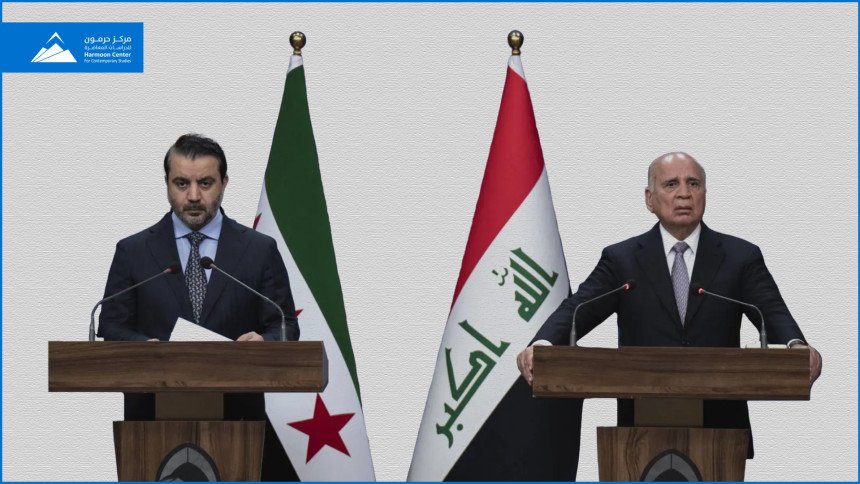
Winds of Change: Iraq and Syria in the Aftermath of Assad
The evolving relationship between Iraq and Syria in the post-Assad era is shaped by shifting regional dynamics, security concerns, and economic considerations. Historically marked by rivalry, their interactions have been influenced by tribal ties

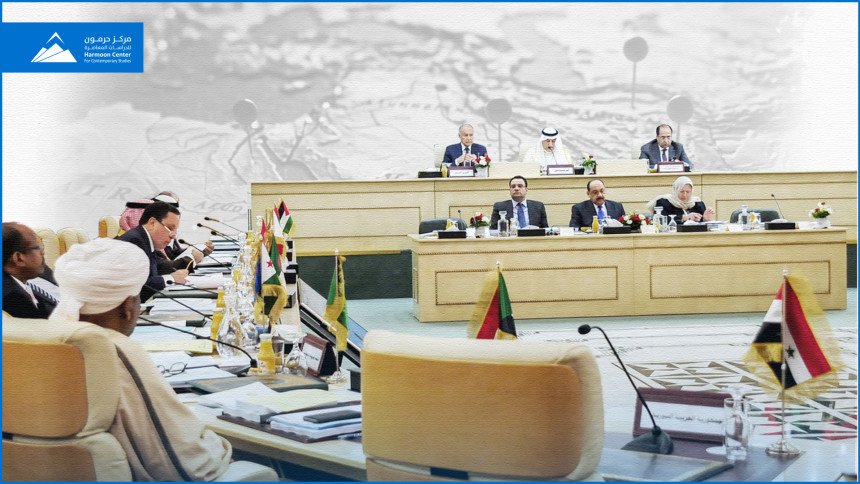
Rethinking Middle East Geopolitics after the Fall of the Assad Regime
examines the geopolitical consequences of the fall of Bashar al-Assad's regime in Syria, focusing on the shifting dynamics among regional and global powers. Following Assad's downfall in December 2024, key actors like Iran, Turkey
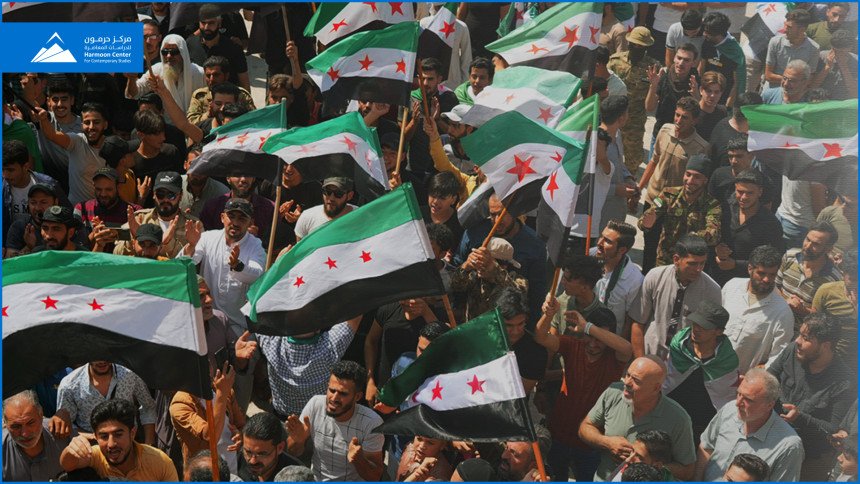
Desire in the Times of Assad
We are often led to believe that the fall of a dictator results in the realisation of ideals sought by the masses. But what if this is not true? What if the Baathist regime, in its brutality, was the very condition of possibility for Syrians’ desire for freedom, justice, and dignity, framing the 2011 uprisings? The Baathist regime was seen…

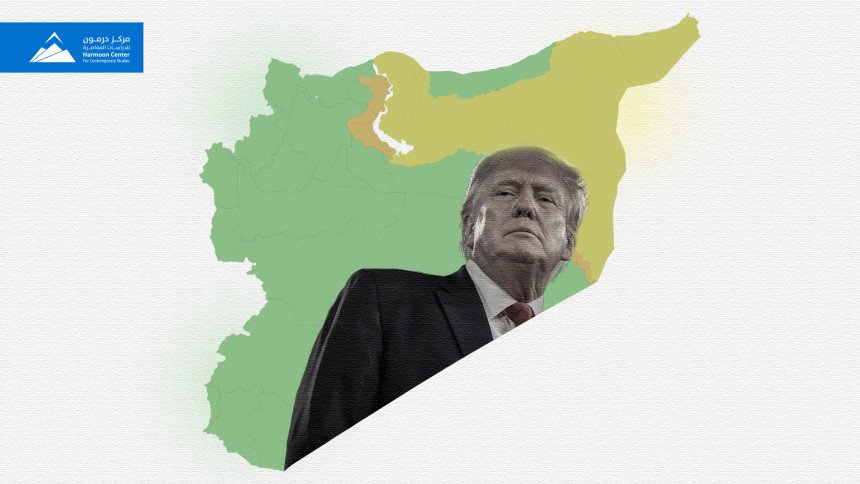
Asad Gone Trump is Coming: Syria’s Prospects in a Trump Second Term
Every four years, from November to January, regional analysts assess how the incoming U.S. President might impact their regions. For instance, Politico analysed Trump's potential return to the White House with a focus on Europe, covering topics from energy and the Ukraine war to climate and trade—predicting challenging years ahead. Similarly, Lynn Song examined possible implications of Trump’s second term for China.…

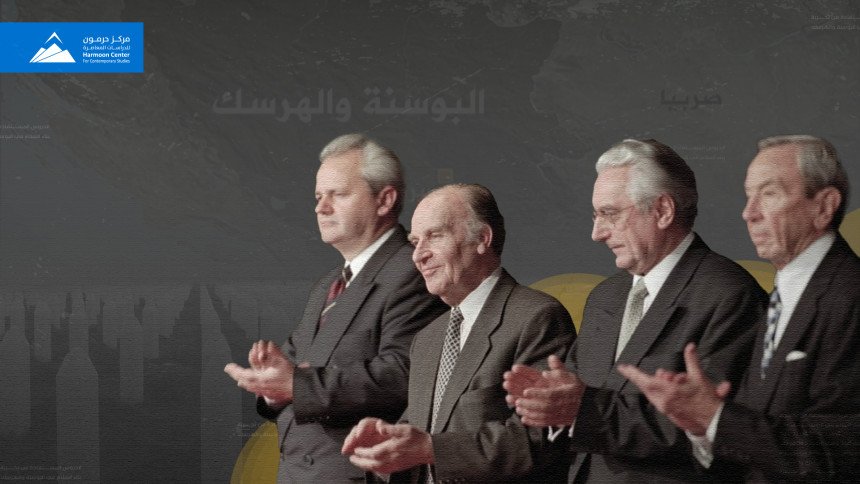
LESSONS LEARNED FROM BOSNIA AND HERZEGOVINA[1]
Content Introduction After the end of the Cold War in early 1990s, federal Yugoslavian authorities permitted a peaceful democratic transition, which led to the establishment of political parties across the six republics, including Bosnia-Herzegovina. These parties exhibited a range of ideological and national orientations. Elections were held in the six constituent republics, including Bosnia-Herzegovina, in the early 1990s, but not…

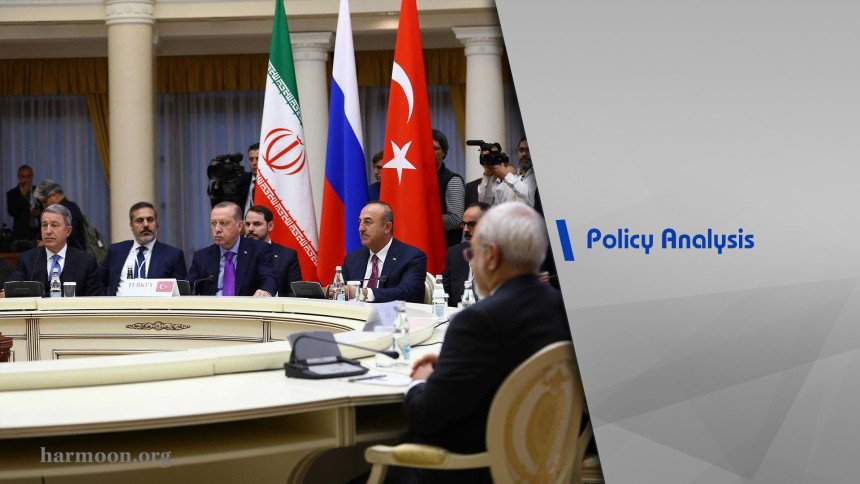
Turkish Foreign Policy towards the Conflict in Syria
Increasing acts of violence by the Syrian army against peaceful protesters and the harsh steps taken by Western countries against the Assad regime began to limit Turkey's policy alternatives on Syria. Such developments led Turkey to gradually distance itself from the Assad regime and gradually move closer to the anti-Assad front. However, Turkey continued to keep its channels of communication…
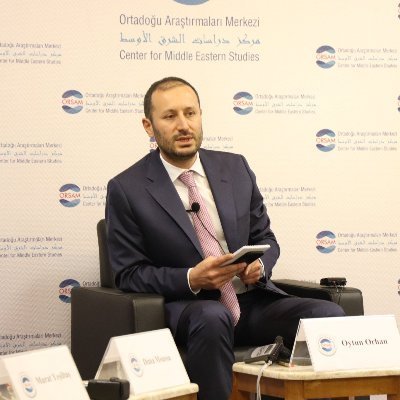
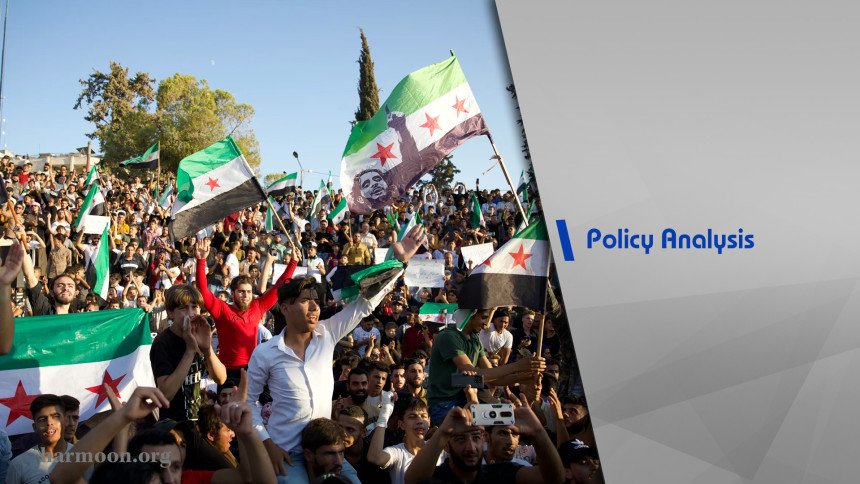
The Complex Dynamics of Arab State Policies and the Syrian Uprising
Introduction: A Landscape of Divergent Approaches The Syrian rebellion occurred during the Arab Uprising of 2011. It signalled a period of unprecedented instability in the Middle East. As the event escalated, Arab states were challenged with the task of implementing cohesive strategies in response to the war. However, these strategies differed substantially owing to several geopolitical and internal factors. This…