


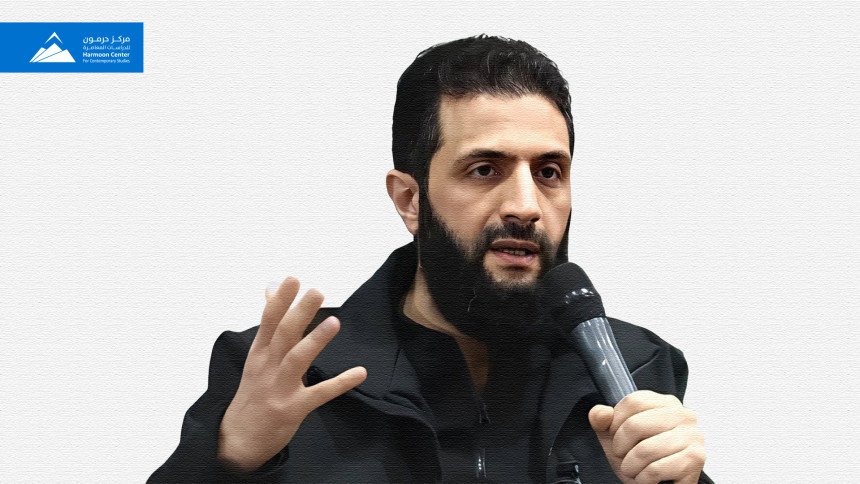
The spoken and unspoken in Ahmad al-Sharaa’s Discourse
Although I follow the developments in post-Assad Syria daily—almost hour by hour—particularly concerning the performance of the civil, political and military leadership, I find that certain aspects of this leadership’s statements and actions are clear, while others remain ambiguous and convoluted. Yesterday's BBC interview with Ahmad al-Sharaa, the leader of Hay’at Tahrir al-Sham, clarified some points while leaving others obscure—some…

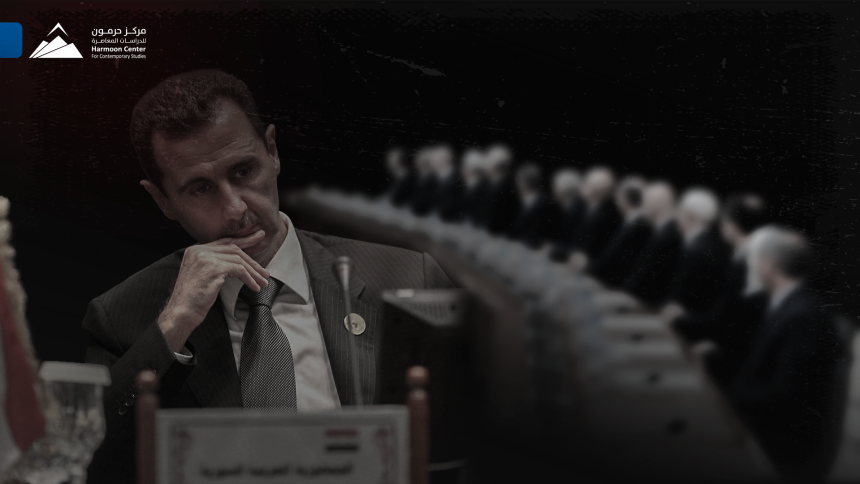
Assad’s Hard Choices
Bashar al-Assad now stands on quicksand, moving cautiously, glancing to the right and left, afraid of being swept away by the strong storms blowing across the Middle East. He is attempting to reassess his position but finding no clear solution. Recently, Bashar al-Assad formed a new government in the same familiar style, with Ghazi al-Jalali as its head. The ministerial…
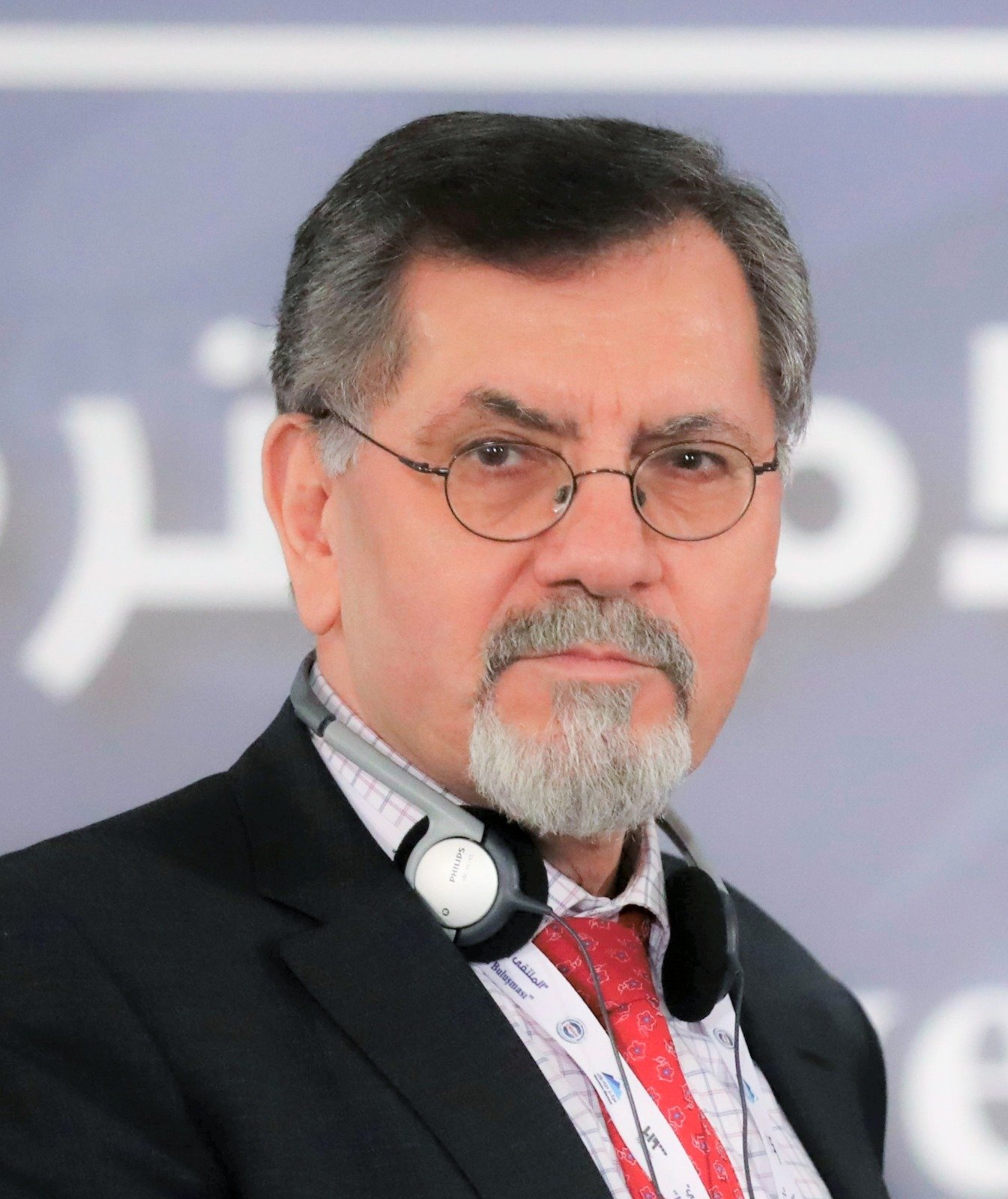

Media Manipulation: How HTS Crafts and Disseminates its Propaganda Messages
Formerly known as Jabhat al-Nusra, HTS has maneuvered through the complex challenges of the Syrian conflict and undergone discursive and organizational metamorphoses. It has pragmatically curated its public face, utilizing a sophisticated blend of media alliances, social media propaganda, and strategically tailored messages. A deep understanding of these tactics is vital to comprehending the organization's influence, mobilization dynamics, and the…

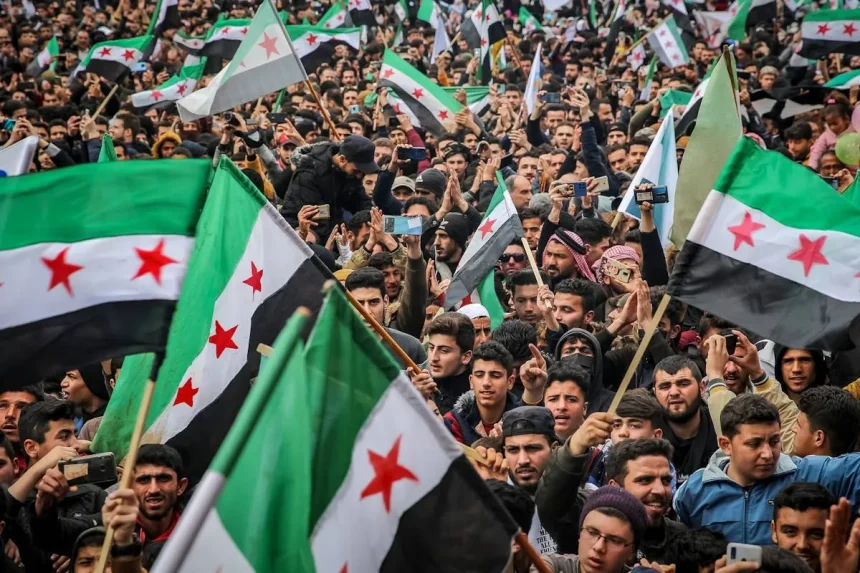
Lessons to be learnt from the Syrian Revolution and lessons which should have been learnt long before
The Syrian regime was wrong in committing so much excessive violence, including its bloody suppression of the demonstrations and its ruthless violent suppression of any opposition, as well as in its rejection of any essential reform measures which could, in its own perception, only undermine its power monopoly. And indeed: political reforms would have undermined the regime’s power monopoly, but…
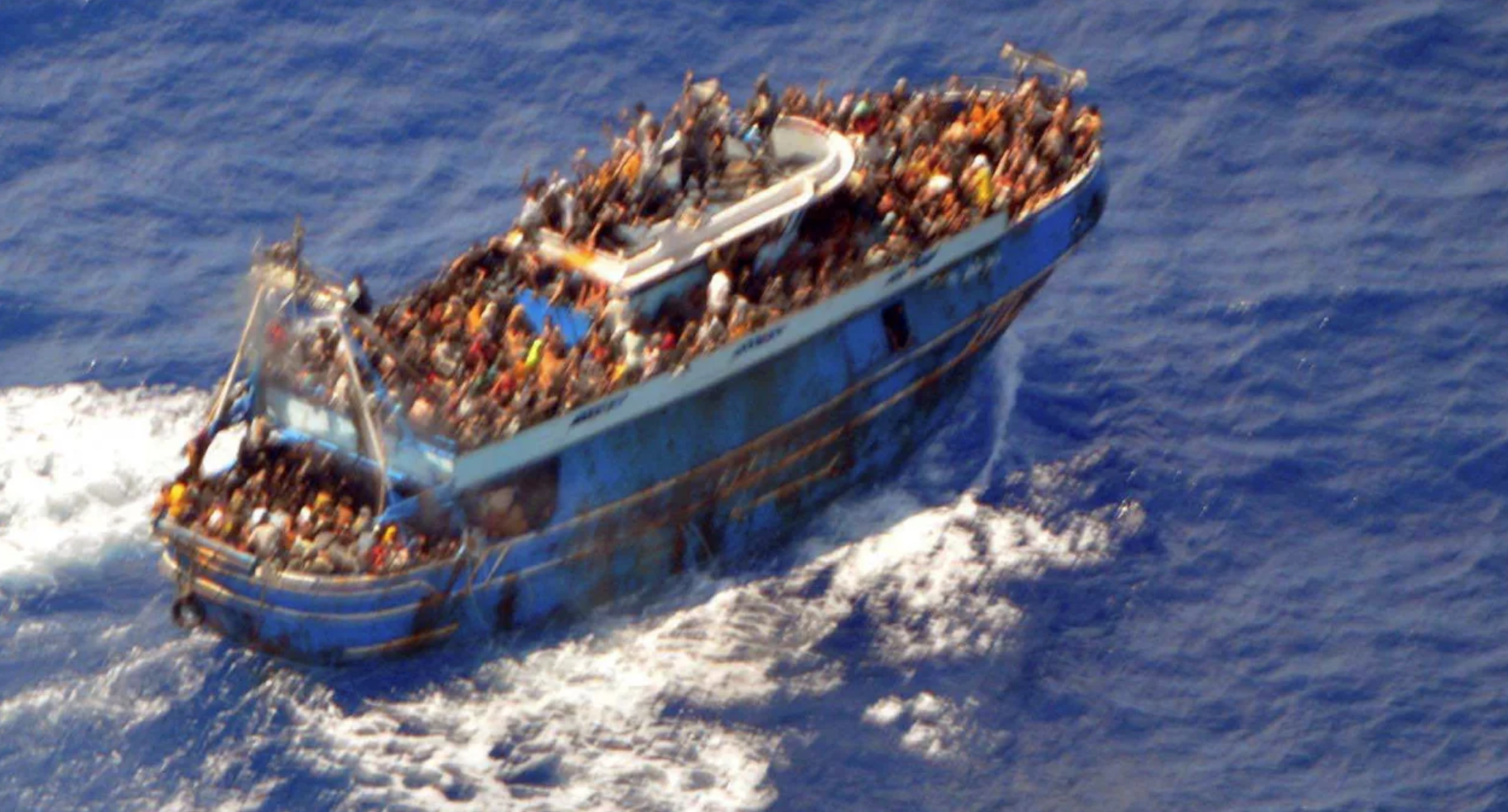
Is International Law Irrelevant In Protecting Refugees and Migrants?
— When the EU lets refugees and migrants drown in the Mediterranean, and the UN lets thousands of Syrians – including women and children – die under the rubble after the earthquakes in February, has international law any meaning when those committed to helping the most vulnerable are letting them die? The recent sinking of a migrant boat off the…

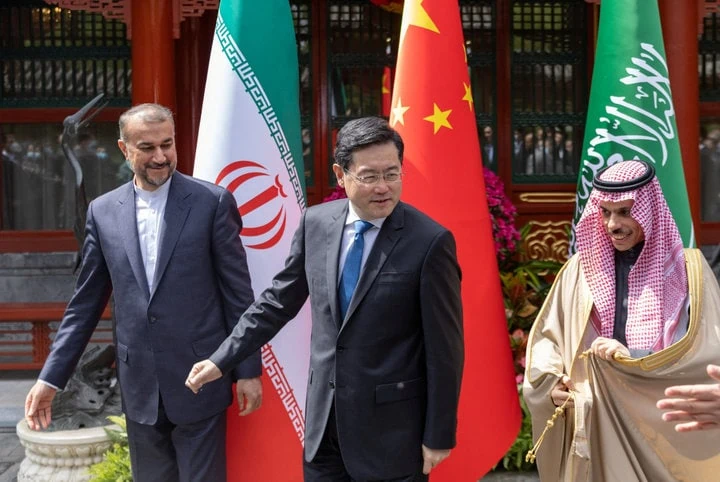
Saudi-Iran détente opens doors for Assad
The agreement in March by Saudi Arabia and Iran to restore ties after nine years appears to mark a shift in regional diplomacy. While Riyadh and Tehran have been formally estranged since 2016, their rivalry goes back far longer and played out particularly violently across the Middle East in the aftermath of the 2011 Arab uprisings. Syria was one of…

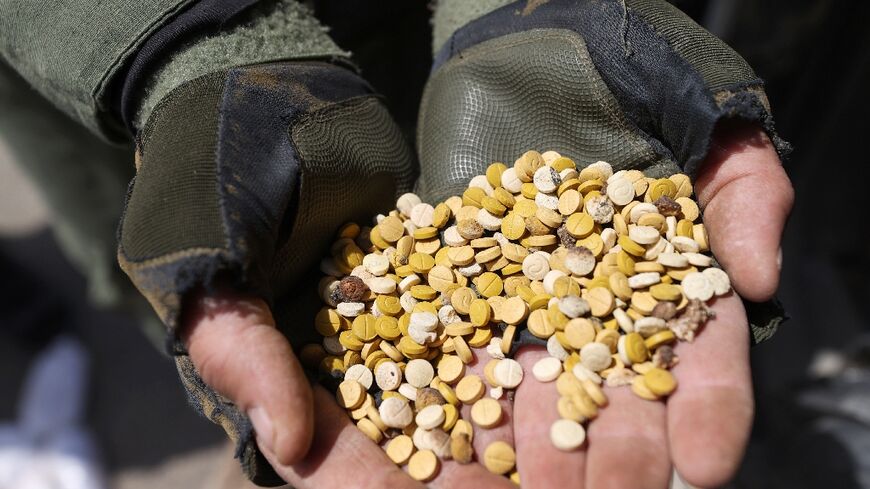
No accountability for some worst atrocities since the Holocaust has allowed Assad to turn Syria into a Narco-State
Why is the world ignoring how President Bashar al-Assad has turned Syria into a narco-state? This was the question addressed in one of the most important webinars I participated in during 2022 because it uniquely illustrated how the failure to hold the Assad regime, alongside Russia and Iran, accountable for some of the most horrific atrocities since the Holocaust is…
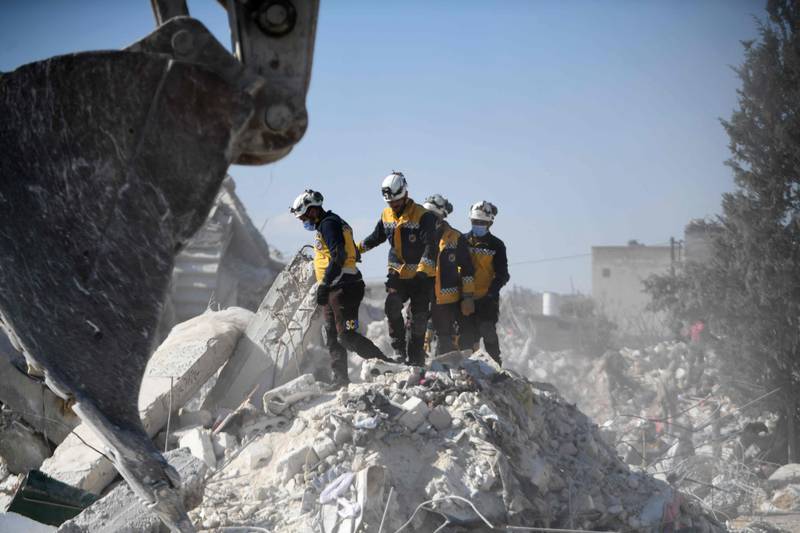
While the UN and EU put Damascus in charge of distributing the aid, affected Syrians run the other way
The hardest hit areas by the earthquake in Syria are the northern Aleppo province and Idlib. We visited both this month. Jinderes, in southern Afrin, was really the most devastated: 40% of the buildings are destroyed or damaged, the head of the local council, Mahmoud Hafar told us last week. 4,000 families who lost everything are still on the streets,…

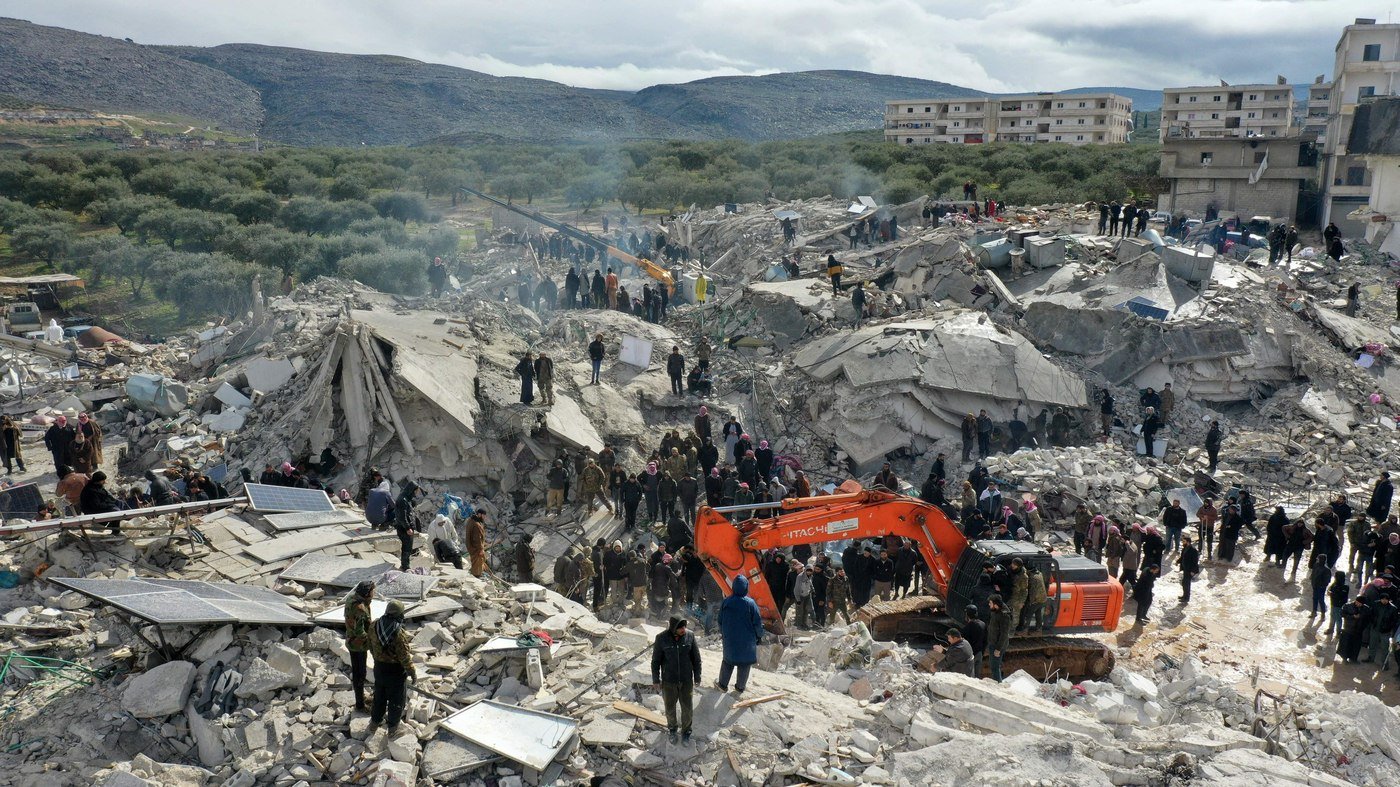
Hay’at Tahrir al-Sham and the Aftershocks of the Earthquake
The aim of the Syrian uprising was not to replace a seemingly secular dictator with an Islamist one. The problem was and is authoritarianism. The country has been suffering from lack of transparency, representation, accountability mechanisms, and rotation of power. However, the hierarchical structure of HTS and its centralized decision-making process may have some advantages. This is especially true in…
Elections in Turkey: A New Policy and the Return of Syrians
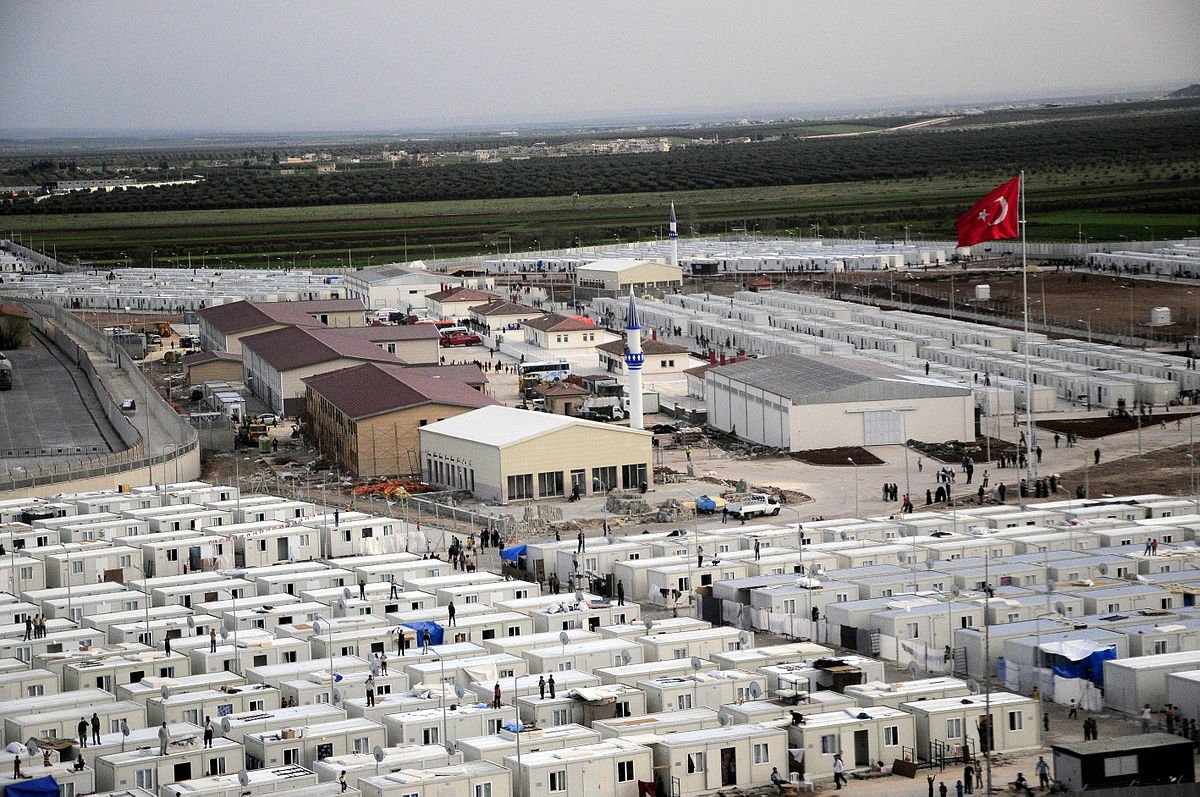
Millions of Syrians have fled their country since the crisis began in 2011. Individual reasons for leaving vary, though ultimately many feared for their safety in a country where their lives are endangered, whether by their opposition to the Assad regime, the takeover of their homes and communities by armed groups such as Daesh or the SDG/YPG, or the dire…