


Abstract
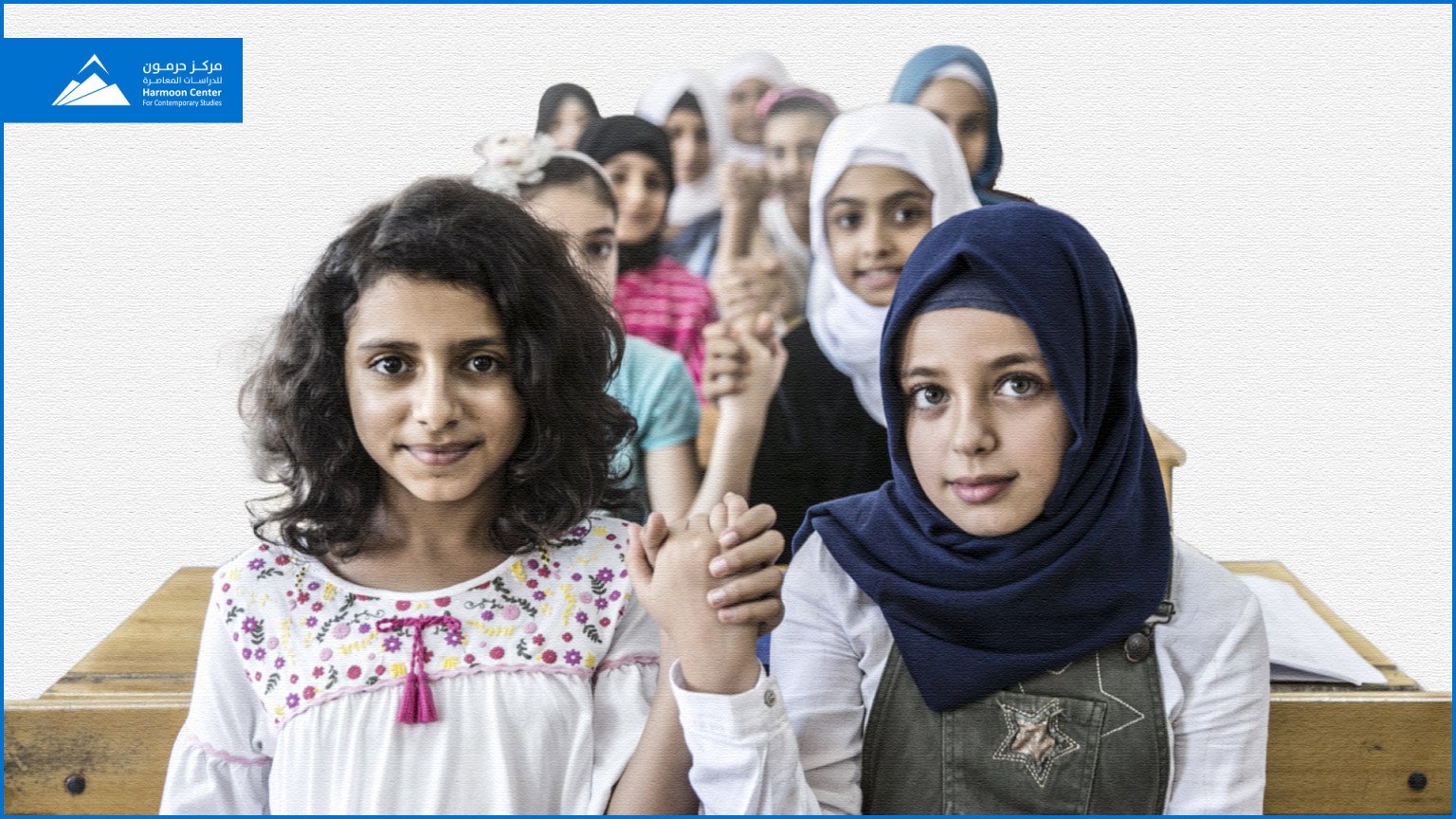
The fall of the Bashar al-Assad regime on December 8, 2024, marked a critical juncture in Syria’s history, presenting an opportunity for reconstruction and stability after years of conflict. This political development has prompted many Syrian refugees to contemplate returning to their homeland. While some have already begun to repatriate, millions remain in neighbouring countries and Europe. Among the key concerns influencing their decision to return is the education of their children. Surveys reveal that many exiled Syrians express a willingness to return but prioritize their children’s completion of studies. However, Syria’s education sector has suffered extensive damage due to the prolonged conflict. The destruction of infrastructure has rendered many schools unusable, significantly reducing educational capacity and leaving hundreds of thousands of children without access to schooling. Additionally, the mass exodus of qualified teachers has exacerbated the crisis, as those who remain often face unpaid salaries and seek alternative livelihoods. This combination of diminished resources and workforce challenges poses a significant barrier to providing quality education, a critical factor in the return and reintegration of refugee families. Addressing these issues will be essential to fostering sustainable returns and rebuilding Syria’s social and educational systems.
Obstacles facing the integration of returning students into the education system
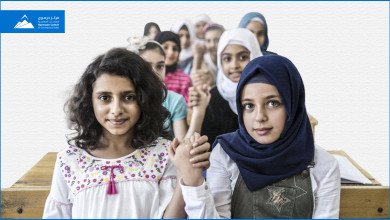
The integration of returning children and young people into Syria’s education system is fraught with a complex array of challenges, spanning economic, academic, bureaucratic, psychological, and social dimensions. A significant hurdle lies in the academic realm, as many children studied curricula vastly different from the Syrian system during their time in asylum, often in foreign languages. While children returning from Arab countries may find the transition somewhat smoother, those coming from Turkey, Europe, or other non-Arabic-speaking regions face considerable difficulties, including the need to relearn reading and writing in Arabic.
These academic challenges are further compounded by discrepancies between the curricula studied abroad and those in Syria, as well as the ideological and cultural differences embedded within them. Such disparities can hinder understanding and integration, particularly for students who have experienced prolonged disruptions in their education. Language barriers and these curricular mismatches often leave returning students struggling to keep pace with their peers, creating feelings of frustration and alienation. Without adequate support systems, these challenges can lead to a higher likelihood of disengagement and dropout, further marginalizing these vulnerable children.
Economic challenges further complicate the situation. Many returnee families live in poverty, struggling with unemployment and the costs associated with education, such as transportation, school supplies, and uniforms. For many, these expenses make education inaccessible, forcing children to work instead of attending school.
Syria currently lacks comprehensive programs to address these educational gaps. Policies and procedures for integrating returnee students remain unclear, particularly for those who received informal education in refugee camps. Many returning students face bureaucratic challenges, such as the need to provide official documentation of their previous schooling. In some cases, Syrian institutions do not recognize certificates or academic levels achieved abroad, forcing students to repeat grades or undergo equivalency tests.
The psychological impact of displacement further hinders the reintegration of returning students. Many children and youth have endured traumatic experiences during their asylum or refugee period, including exposure to violence, loss, and instability. These experiences leave lasting psychological scars that affect their ability to adapt to a new educational environment. The lack of psychosocial support programs in Syria exacerbates these difficulties, leading to low self-confidence, poor motivation, and feelings of frustration among returnees.
Social integration also poses a challenge. Returning students may face bullying, exclusion, or discrimination from their peers or even teachers, due to differences in dialect, cultural norms, or academic preparedness. Such experiences can further alienate returnees, compounding their struggles and reducing their chances of successful reintegration.
The integration of students returning to areas controlled by the so-called Syrian Democratic Forces (SDF) in the northeast and Turkish-backed areas in the northwest presents unique challenges due to the fragmented educational landscape and differing curricula. In SDF-controlled regions, the administration has implemented a distinct curriculum, often seen as politically and ideologically influenced, diverging significantly from Syria’s national curriculum. This creates a disconnect for returnee students, who may struggle to align their prior learning with the new curriculum or face resistance if they wish to reintegrate into the national system later. In the northwest, the education system is heavily influenced by Turkish standards, with schools adopting curricula that include the Turkish language. These variations pose difficulties for returning students, particularly those who studied in Syria’s neighboring countries or other international contexts, as they must adapt not only to a new curriculum but also to differing pedagogical approaches and languages.
Lessons from Global Post-Conflict Education Models
Many countries have faced challenges in integrating returning refugees into their education systems. This section presents successful practices and experiences of 3 countries exposed to conflict in integrating returnees into their education system.
- Bosnia and Herzegovina
The integration of refugee, asylum seeker, and migrant (RASM) children into Bosnia and Herzegovina’s education system presented a complex challenge, but also a vital opportunity for growth in a post-war context. The country, still grappling with the legacies of conflict that had fractured its educational landscape, was tasked with providing education and support to children who brought their own unique experiences of trauma, displacement, and educational disruption. Successful integration required adherence to international human rights frameworks and a fundamental reimagining of educational practices to create inclusive and supportive environments for all (Fischer, 2006).
Bosnia and Herzegovina had legal obligations to ensure the right to education for all children, including those who were refugees, asylum seekers, or migrants, and that access to education had to be free of discrimination. Yet, the country’s existing system faced significant hurdles. The legacy of the Bosnian War had left a decentralized, ethnically divided, and sometimes ideologically charged educational framework. This fragmentation led to a lack of coordination, inconsistencies in practices, and sometimes outdated and unsuitable curricula. These systemic barriers were further compounded by the particular vulnerabilities of RASM children, who similarly to returning Syrian children, often bore the weight of traumatic experiences, language barriers, interruptions to learning, and a lack of established social support networks, as well as the threat of potential discrimination (MCAFH, 2020).
To overcome these challenges, a multi-pronged approach was essential. First, the legal framework had to be fully implemented at all levels, addressing systemic issues that hindered genuine integration. Curricular reform, guided by international standards and responsiveness to cultural diversity, included human rights, and the integration of diverse cultural and linguistic content. Simultaneously, teacher training needed to be strengthened with a focus on building the capacity of teachers to work effectively with RASM children by providing trauma-informed care, language support, and differentiated teaching methods.
At the school level, it was crucial to create safe, welcoming environments. This included conducting thorough initial assessments, developing tailored learning plans, facilitating peer-support systems, involving parents and community members, and implementing additional measures like language workshops, catch-up classes, and extracurricular activities. A special focus was placed on the provision of mental health services to address the trauma that many RASM children experienced. This was implemented through schools coordinating with relevant social and healthcare services. Further, cultural mediators played a key role in bridging cultural divides (Lanahan, 2016).
It was also recognized that language, a key barrier to learning, should be addressed through specialized language classes, and children should be supported in communicating through various means. Furthermore, the implementation of formative assessments that supported individual pupil growth and a focus on individualized teaching approaches were crucial for successful integration (Fischer, 2006). These had to be integrated with community-based actions, where community participation led to a greater understanding of the needs of the RASM community.
Ultimately, successful integration relied on transforming the educational system from one that was fragmented and exclusive to one that was coordinated, supportive, and inclusive. By prioritizing the best interests of the child, adhering to legal obligations, reforming existing infrastructure, and empowering teachers, the inclusion of RASM children in post-war Bosnia and Herzegovina was an opportunity to rebuild the system, as well as create a more just, equitable, and harmonious society for all.
- Rwanda
Rwanda’s efforts to reintegrate returnee students into the education system were a reflection of its broader educational reconstruction strategy, which emerged in the aftermath of the 1994 genocide. The country was committed to building an inclusive and equitable educational environment, aiming to ensure that no child was left behind, regardless of their background or circumstances of return. The key practices in integrating returnee students into the education system focused on addressing both the challenges of reintegration and the opportunities for resilience and growth.
One of the first actions by the Rwandan government after the 1994 genocide was the rapid reopening of schools, supported by both internal resources and external partnerships. Within two months of the conflict’s end, primary schools resumed operations, symbolising a crucial step toward normalcy and healing. This swift action provided a platform for reintegration (World Bank, 2005).
One of the positive practices observed was the open-door policy adopted by schools to welcome returnees. Many schools demonstrated a proactive approach by ensuring that returnee students were not discriminated against due to their history or the fact that they had been educated in different countries or refugee camps. This inclusive approach was critical as it allowed returnees to feel at home and recognized in their new environment. Students who had returned often reported feeling a sense of relief in returning to a system where they could speak their language and integrate without prejudice, contrasting their experiences in foreign schools where they had been sometimes treated as “other” (Dickson, 2023; Obura, 2003).
To address the specific needs of returnee students, catch-up programmes and alternative education pathways were introduced. For example, the “Catch-Up” schools provided accelerated learning opportunities for children who had missed years of schooling due to displacement or conflict. The accelerated learning programmes were designed as 3-year compressed courses covering 6 years of primary education, helping older returnee students catch up. Schools implemented a bilingual approach to accommodate students returning from different Anglophone and Francophone countries. These programmes recognised the diverse educational backgrounds of returnee students, many of whom had attended schools in exile, and aimed to bridge gaps in their learning (Obura, 2003).
Moreover, Rwanda’s educational institutions emphasised the importance of community and peer support. Many returnees benefited from the welcoming nature of both teachers and fellow students. Schools that fostered positive teacher-student relationships and demonstrated kindness were particularly successful in creating an environment conducive to the smooth reintegration of returnees. This practice aligned with Rwanda’s broader efforts to promote national unity and reconciliation, essential for healing and rebuilding the country (Obura, 2003; World Bank, 2005).
The policy of selecting the class level for returnee children in collaboration with their families was also noted as a successful practice. This ensured that children were placed in a class that was appropriate for their academic background, preventing feelings of frustration or alienation due to mismatched educational experiences. This strategy acknowledged the individuality of each student, particularly those who may have experienced disruptions in their education due to their time in exile.
Additionally, Rwanda’s emphasis on making education more accessible to all, including returnees, was reflected in the country’s efforts to reduce school costs and provided financial assistance to the most needy. This was particularly important for returnee families who may have been struggling economically. Local authorities played a crucial role in ensuring that the most vulnerable children were not excluded from the education system (Obura, 2003).
Rwanda’s approach to integrating returnee students into its educational system provides valuable lessons for other post-conflict nations. The combination of an inclusive curriculum, strong community engagement, and a commitment to reducing barriers to education helps ensure that returnees, like all children, have the opportunity to thrive and contribute to the country’s rebuilding efforts (Dickson, 2023).
- Afghanistan
Afghanistan faced significant challenges in integrating returnee students into its education system due to its complex socio-economic and security conditions. However, several positive practices could be highlighted from recent strategies and programs aimed at addressing these challenges.
The Afghanistan National Education Strategic Plan (2017-2021) emphasized the importance of equitable access to education, recognizing the large number of returnee students as a priority group. The plan outlined the need to adapt educational services to meet the diverse needs of all students, including returnees, by expanding access to basic education and ensuring the provision of necessary resources (Lan and Yang, 2022).
One effective approach was the Community-Based Education (CBE) Policy, which aimed to bring education closer to communities, particularly in rural and conflict-affected areas. This approach helped to reduce barriers such as long travel distances to schools, which was a common issue for returnee students. CBE showed promise in increasing school enrollment among marginalized groups, including returnees and internally displaced people (ECW, 2022).
Another positive practice was the Education Cannot Wait (ECW) Facilitated Multi-Year Programme. This initiative targeted vulnerable displaced populations, including returnees, with the goal of creating an inclusive learning environment and ensuring continuity of education. It addressed the specific needs of returnee students by providing accelerated learning programs, which helped students catch up on missed education. These programs also emphasised the importance of psychosocial support, which was crucial for students who had experienced displacement (ECW, 2022).
The focus on inclusive education policies, such as the development of child-friendly schools and efforts to increase the number of female teachers, was also a significant step forward. These measures helped create a safer and more welcoming environment for all students, who often faced additional barriers to education (UNESCO, 2021; ECW, 2022).
The involvement of international organizations (INGOs), such as UNESCO, in supporting Afghanistan’s commitment to the Education 2030 Agenda, underscored the importance of global partnerships in improving education outcomes. By leveraging international support and expertise, Afghanistan could implement comprehensive strategies to integrate returnee students into its education system effectively (UNESCO, 2021).
Afghanistan’s efforts to integrate returnee students into its education system were supported by targeted policies, community-based approaches, and international collaboration. These positive practices, if sustained and scaled, could significantly improve educational access and outcomes for returnee students in Afghanistan.
It is worth saying that this review focuses on positive practices in the integration of returnee students into education systems, emphasizing useful lessons while avoiding an analysis of negative examples. For instance, Afghanistan’s ongoing ban on girls’ education by de facto authorities serves as a stark contrast to the positive practices identified and highlights the importance of supportive governance structures for successful integration.
The aforementioned reviewed case studies illustrate the importance of tailored, inclusive, and community-driven approaches to integrating returnee students into education systems. While the strategies were effective in addressing common challenges, their success often depended on the context-specific needs of each country. For example, Bosnia and Herzegovina’s reliance on cultural mediators and legal reforms was necessary in a context of ethnic division, while Rwanda’s focus on national reconciliation and financial assistance reflected the broader societal goals of post-genocide recovery. Afghanistan’s success with community-based education demonstrated how localized solutions could overcome systemic and geographical barriers.
This review highlights the adaptability and relevance of these strategies, offering valuable lessons for other countries like Syria, where returnee students face similar challenges. By focusing on the positive practices identified, this analysis provides a roadmap for effective and sustainable educational integration efforts.
Strategy to Integrate Syrian Returnee Students into the Education System
The integration of Syrian returnee students into the education system requires a multifaceted approach that addresses the unique challenges arising from years of conflict, displacement, and varying educational experiences. Below is the outline of a comprehensive strategy that aligns with global best practices, contextualized to Syria’s current educational landscape.
1. Rebuilding and Expanding Educational Infrastructure
Rebuilding the educational infrastructure is crucial to accommodate the influx of returnee students. Comprehensive assessments should be conducted first to prioritize the reconstruction of damaged or destroyed educational facilities, and to ensure safe and appropriate learning environments. Efforts should prioritize the rehabilitation of schools, particularly in areas with significant numbers of returning families. This includes not only rebuilding classrooms but also ensuring that schools are equipped with proper facilities, such as electricity, water, and sanitation. Temporary solutions, such as mobile classrooms or prefabricated buildings, can be deployed to meet urgent needs. These facilities must include gender-segregated and disability-accessible WASH facilities to ensure inclusivity and safety.
2. Bridging Curriculum Gaps and Language Support
To address this, the Syrian education system should establish bridging programs that align with Syria’s national curriculum while accounting for the varied learning experiences of returnees. Educational programs can be designed to help returning students make a smooth transition to the Syrian curriculum, taking into account the differences in the curricula they studied during their period of asylum. These programs should focus on core subjects like Arabic, mathematics, and science, with additional support in Arabic language acquisition for students who have been educated in foreign languages. Inspired by programs such as UNESCO’s Self-Learning Program in conflict zones, these initiatives should include digital and blended learning approaches to reach students in remote areas.
3. Providing Psychosocial and Emotional Support
Schools must serve not only as centers of learning but also as safe spaces that promote mental well-being. Teachers and school staff should receive training in trauma-informed education to create supportive environments. Counselling services should be integrated into schools, with partnerships established with mental health organizations to ensure professional care. Additionally, extracurricular activities like art and sports can be used to help children express themselves and build confidence. This approach was effective in other post-conflict settings, such as Rwanda and Bosnia. Integrating psychosocial support within schools to address trauma, promote student well-being, and create a supportive environment conducive to learning would contribute to the faster integration of students returning to Syria into the education system.
4. Reducing Economic Barriers to Education
To alleviate these barriers, the Syrian government and its partners should implement conditional cash transfer programs that incentivize school attendance. Programs such as school feeding initiatives can address both nutritional needs and education access, as demonstrated by the World Food Programme’ s efforts in crisis zones. Scholarships and transportation subsidies should also be provided to families in need. These measures not only increase enrollment but also reduce dropout rates.
5. Strengthening Teacher Recruitment and Training
Recruitment efforts should target returnees with teaching experience, offering them opportunities to re-enter the profession through expedited training and certification programs. Professional development programmes should focus on equipping teachers with the skills needed to address the diverse needs of students, including those with disabilities and trauma. Additionally, training teachers in conflict resolution and inclusive practices can help them navigate classrooms with diverse sectarian backgrounds sensitively. Special attention should be given to creating a gender-balanced teaching workforce, particularly in rural areas where female teachers can play a crucial role in increasing girls’ enrollment. The ECW program in Afghanistan offers a model, where local community members were trained as educators to ensure cultural relevance and sustainability.
6. Simplifying Administrative Processes
The Syrian Ministry of Education should streamline enrolment procedures by waiving stringent documentation requirements allowing provisional admissions, and perhaps adopting alternative assessment mechanisms, to determine the appropriate educational level for them. Establishing a robust Education Management Information System can facilitate the tracking and integration of returnee students while ensuring that no child is left behind. Partnerships with INGOs, UNICEF and UNESCO can support the development and implementation of these systems (Al-Samarai, 2021).
7. Addressing Gender Issues
Addressing gender issues in the reintegration of Syrian returnee students requires targeted efforts to overcome the unique challenges faced by girls in accessing education. Traditional gender norms, safety concerns, and the lingering effects of conflict have significantly limited educational opportunities for girls, making it crucial to implement gender-sensitive policies. The presence of female teachers can encourage girls to attend school. Similarly, creating safe and accessible learning environments through gender-segregated facilities, safe transportation, and schools located closer to underserved areas can help alleviate barriers that disproportionately affect female students.
Challenging cultural norms and addressing issues such as early marriage are equally important in ensuring girls’ sustained participation in education. Awareness campaigns should focus on promoting the social and economic benefits of girls’ education to families and communities. By integrating counselling and mentorship for female students, especially those returning from disrupted educational environments, schools can foster a supportive environment for girls, enabling them to thrive academically and contribute to Syria’s broader recovery and development.
8. Addressing Sectarianism
Addressing this issue is crucial to fostering social cohesion and national unity. Sectarian divisions, exacerbated by years of war, can pose significant challenges in creating inclusive learning environments for returning students. Promoting curricula that celebrate Syria’s diverse cultural and religious heritage is essential to counter biases and encourage mutual respect among students. Schools can serve as spaces for reconciliation by facilitating inter-group collaboration through team-based projects and extracurricular activities, fostering trust and understanding among students from different sectarian communities.
9. Fostering Community Engagement
Community support is essential for the successful reintegration of returnee students. Engaging local leaders, religious figures, and Parent-Teacher Associations can build trust and encourage families to prioritise education. Public awareness campaigns should emphasise the value of education, and address stigmas associated with displacement. Collaborative programmes involving local and international NGOs can strengthen community involvement and create networks of support for returnee families. Lessons from other models highlight the importance of grassroots engagement in overcoming cultural and logistical barriers to education.
Community engagement is vital in countering sectarian prejudice and reinforcing inclusive values. Involving parents and community leaders in school initiatives can promote tolerance and understanding beyond the classroom. Successful examples, such as the use of cultural mediators in Bosnia and Herzegovina, highlight the importance of bridging divides and ensuring equitable access to education for all groups. By adopting similar approaches, Syria’s education system can play a pivotal role in healing societal divisions, building trust, and contributing to the long-term stability and unity of the nation.
10. Curriculum and educational system Disparities
The ideal solution to the fragmented educational systems in Syria lies in a political settlement that reintegrates areas under the control of the central government in Damascus. However, as this is not currently feasible and with the end-of-year exams approaching, immediate steps must be taken to address curriculum disparities. Dialogue among stakeholders—including the Ministry of Education, local educational authorities, INGOs, and donors—can establish baseline standards for core subjects like mathematics, science, and literacy, creating consistency across regions. Bridging programs and transitional education centers should be implemented to help students adapt, focusing on language acquisition and core competencies aligned with Syria’s national curriculum.
Digital platforms and blended learning can also play a critical role in providing standardized materials tailored to diverse linguistic and cultural needs while ensuring alignment with national educational goals. A collaborative framework is essential, with joint task forces facilitating coordination among key actors to standardize assessments and certifications, ensuring students’ academic achievements are recognized across regions. These measures offer practical, short-term solutions to support returning students and address educational disparities in the absence of a unified national framework.
11. Monitoring and Evaluation
A comprehensive monitoring and evaluation framework is necessary to measure the success of integration efforts. Key performance indicators should track enrolment rates, attendance, retention, and academic performance of returnee students. Channels for feedback from students, parents, teachers and communities must be established to ensure that the education system continues to respond to their needs. Periodic assessments will allow for data-driven adjustments to programmes and policies, ensuring that they remain effective and relevant.
This comprehensive strategy offers a roadmap to ensure that returning children and young people have access to inclusive, quality education. However, achieving these goals requires concerted efforts that extend beyond national boundaries, emphasizing the crucial role of the international community and collaboration between the Syrian Ministry of Education and INGOs.
The international community holds a vital role in providing the financial resources, technical expertise, and capacity-building support necessary to implement and sustain these initiatives. INGOs can contribute significantly by funding infrastructure rehabilitation, supporting teacher training, and providing resources for bridging programs. Their involvement will not only accelerate the implementation of solutions but will also ensures alignment with global best practices in education and post-conflict recovery.
Collaboration between the Syrian Ministry of Education and INGOs is equally critical to the success of this strategy. INGOs bring valuable experience from their experience in Syria and other post-conflict settings, offering proven models for overcoming barriers to education. Working in partnership, the Ministry and INGOs can design and implement innovative programs tailored to Syria’s unique context, such as community-based education initiatives, trauma-informed teaching practices, and technology-driven learning platforms. This collaboration should extend to monitoring and evaluation efforts, ensuring that programs are responsive to the evolving needs of students and communities.
Conclusion
The integration of Syrian returnee students into the education system stands as a pivotal element in Syria’s broader journey of reconstruction and healing following the fall of the Bashar al-Assad regime. While the prospect of returning to post-conflict Syria inspires hope among refugees, the challenges facing returning families, particularly in education, are both extensive and multifaceted. Addressing these barriers is essential to fostering stability, rebuilding communities, and ensuring a future of opportunity for the country’s younger generation.
The role of education extends far beyond the classroom. It is a cornerstone of peacebuilding, national reconciliation, and sustainable development. By investing in an inclusive and resilient education system, Syria not only addresses the immediate needs of returnee families but also lays the groundwork for long-term societal recovery. Empowered with education, returnee students can become active participants in rebuilding their nation, fostering unity, and contributing to the economic and social revitalisation of Syria.
While the challenges are considerable, they are not insurmountable. A coordinated effort involving the Syrian government, international partners, INGOs, and local communities can ensure that education becomes a beacon of hope and a foundation for Syria’s future. For the millions of displaced Syrians dreaming of returning home, a robust and inclusive education system offers not just the promise of opportunity but the assurance of belonging and rebuilding.
References
Al-Samarai E. 2021. Strengthening Education Management Information Systems (EMIS) and Data for Increased Resilience to Crisis, Country Case Study: Syria. UNESCO.
Dickson B. A. 2023. Reconstruction and Resilience in Rwandan Education Programming: A News Media Review. Journal of Peacebuilding and Development, 18(2), 177-194.
ECW (Education Cannot Wait) Multi-Year Programme. 2022. Delivery Collective Education Outcomes in Afghanistan.
Fischer A. 2006. Integration or Segregation? Reforming the Education Sector. In: Martina Fischer (ed.) Peacebuilding and Civil Society in Bosnia-Herzegovina. Ten Years after Dayton. Münster: Lit-Verlag, 297-324.
Lan J. and Yang X. 2022. A Review of Afghanistan’s National Education Strategic Plan (2017-2021). Pacific International Journal, 5(3), 10-17.
Lanahan B. 2016. Post-Conflict Education for Democracy and Reform: Bosnian Education in the Post-War Era, 1995–2015. Palgrave Macmillan, London.
MCAFH (Ministry of Civil Affairs of Bosnia and Herzegovina) and UNICEF Bosnia and Herzegovina, 2020. Manual for the Inclusion of Refugee, Asylum Seeker and Migrant Children in the Education Process in Bosnia and Herzegovina.
Obura A. 2003. Never again: Educational Reconstruction in Rwanda. International Institute for Educational Planning, Working document.
UNESCO. 2021. The right to education: What’s at stake in Afghanistan? A 20-year review. Paris.
World Bank. 2005. Reshaping the Future:Education and Post conflict Reconstruction. The International Bank for Reconstruction and Development, Washington.