



Abstract
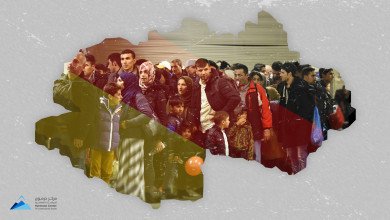
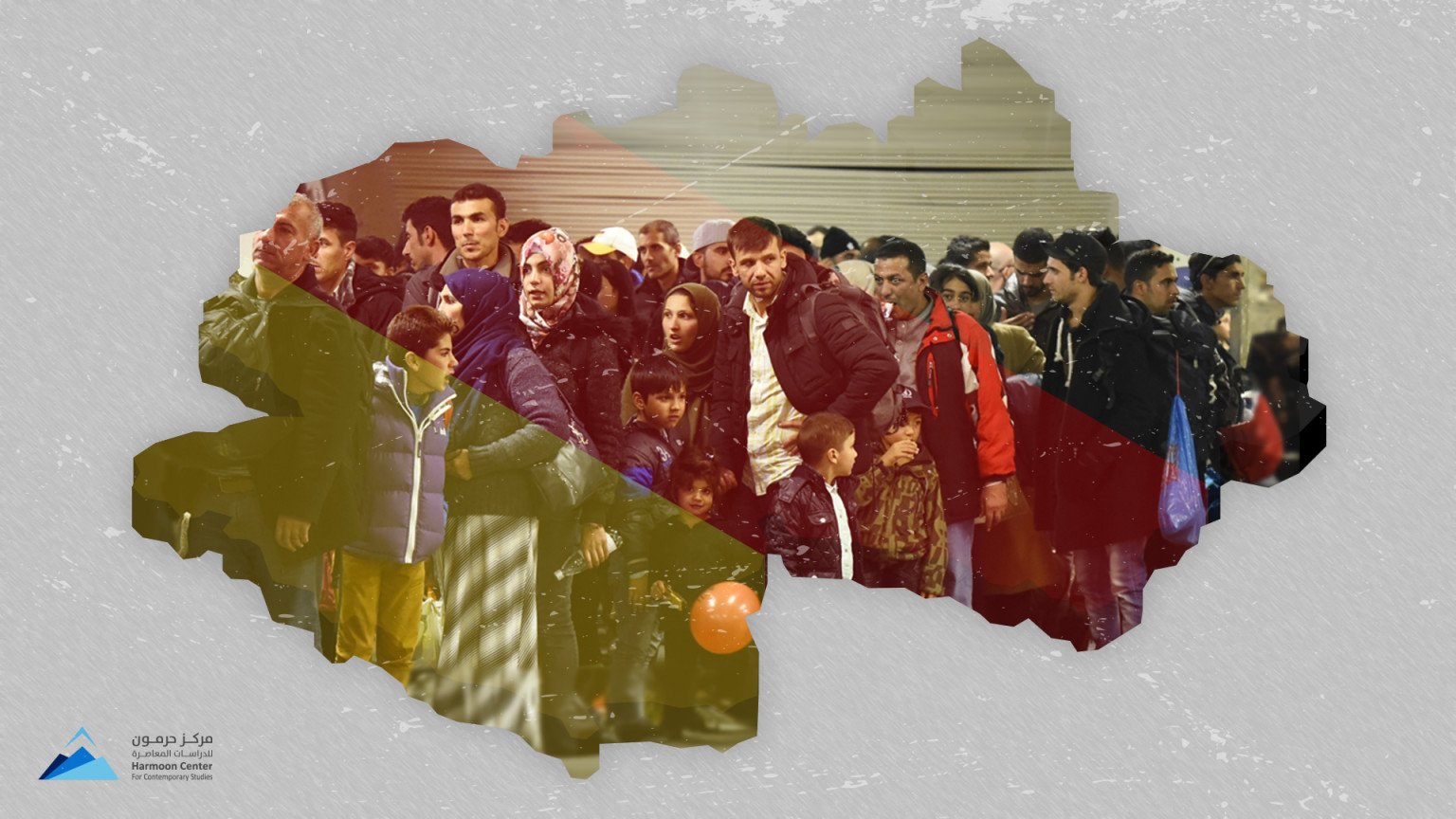
This study analyzes the current situation of Syrians in Germany by assessing key indicators of their integration, highlighting the associated challenges, and exploring their aspirations and future outlook for the post-citizenship phase. We use a descriptive-analytical approach, incorporating both quantitative and qualitative methods, to examine Syrian integration. Data were collected through an electronic questionnaire completed by 298 Syrians. The study also involved 13 expert interviews (8 women and 5 men) with activists, researchers, and professionals working in refugee and immigrant support organizations in Germany. Additionally, we reviewed relevant foreign and Arab studies to inform the analysis and provide a comprehensive understanding of the realities faced by Syrians in Germany.
The study concludes that many Syrians in Germany have been able to achieve a degree of stability after overcoming initial challenges related to residency, language acquisition, housing, and finding work or educational opportunities. Many have transitioned from an initial “foundational” stage to a more “stable” phase of life in the country, where their challenges have shifted toward adjusting to the lifestyle and societal norms.
The study reveals that certain social and personal factors significantly influence the integration process. Age and family status are key determinants, with individuals who arrived in Germany at the age of 35 or older facing greater challenges in learning the language and entering the labor market compared to younger people. Gender also plays an important role, as women appear to have a higher likelihood of integrating than men, a difference linked to traditional gender roles in Syria. Additionally, geographical location affects integration, with medium-sized cities providing an easier environment for integration compared to large cities or rural areas. The eastern provinces, in particular, are less welcoming to immigrants and refugees, further complicating integration processes.
The study highlights that Syrians in Germany have shown strong interest in learning the German language and integrating into the labor market. A significant percentage speak the language well and have found employment in various economic sectors, experiencing rapid positive development within a relatively short time. The study also points to positive indicators within the labor market, including participants’ ability and willingness to work alongside people of different nationalities, as well as feeling respected and valued at work. However, finding employment remains challenging due to legal and practical barriers, such as the recognition of qualifications, language proficiency, and occasional experiences of racism.
The study highlights positive trends in building social relationships between Syrians and the host community, particularly during the initial years of the refugee wave. However, in recent years, there has been a decline in openness and communication between Syrians and the host community. This shift is attributed to changing needs and interests on both sides, the impact of the COVID-19 pandemic on social interaction, and the presence of a strong Syrian community, which offers an alternative network for Syrians in which they connect primarily with one another.
The study highlights the challenge of cultural integration and its impact on values, particularly in marital relations and gender roles. This challenge has often led to family disputes, as clear differences within families have emerged regarding women’s rights and feminist issues. Conflicts have also arisen between parents and children due to concerns about differing values on social issues such as sexual freedom, individualism, and parenting methods. Regarding religious practices, the study notes a decline in ritual observance among some Syrians, influenced by changing attitudes toward religion, the impact of the COVID-19 pandemic, and the demands of life in Germany. However, there is also a resurgence of religious adherence among others, driven by experiences of rejection in Germany, leading some to turn back to their faith.
The study reveals how unequal power dynamics and racism significantly impact interactions with the German environment. Initially, the relationship was characterized by a dynamic in which refugees, perceived as needing assistance, were contrasted with their German helpers. Over time, as many refugees gained language proficiency and other skills, they achieved parity in work and personal relationships. This shift brought tensions within discussions of controversial topics, such as politics and values. The recent war in Gaza marked a turning point for many Syrians, as Germany’s clear alignment with Israel, both politically and socially, led many Syrians to reassess their connection with the country.
The study highlights that Syrians in Germany experience psychological pressures stemming from the situation in Syria. These pressures arise not only from the challenging conditions in Syria and the region, as well as the impact of news about the situation on their lives in Germany, but also from financial responsibilities toward family and relatives back home. The significant gap between living standards in Germany and Syria creates a rift in relationships due to physical distance and differing social and value-based issues between the two countries.
The study reveals that many Syrians in Germany are reluctant to participate in political, civil, and trade union organizations. This hesitation stems from negative experiences with similar institutions in Syria, as well as factors such as the pressures of life in Germany, time constraints, language barriers, racism, and insufficient efforts by German parties to engage immigrants and refugees. Despite this, there has been a notable increase in Syrian political activity in recent years. Syrians have established several civil society organizations in Germany since 2011, across various sectors. This development is a positive indicator of the growing significance of the Syrian community in Germany and its potential to influence German policies in favor of Syrians or to contribute expertise and resources to Syria’s future.
The study indicates that some Syrians in Germany have a theoretical desire to move to another country if circumstances allow, suggesting a reluctance to settle permanently in Germany. This desire stems from various factors, including a preference for a warmer climate, a wish to raise children in an environment similar to their own, and psychological pressures from interacting with German institutions and bureaucracy. Pressures related to life in Germany, such as racist attitudes, the rise of the far right, and Germany’s response to the Gaza war, also contribute to this sentiment.
Finally, the study finds that a significant percentage of Syrians do not wish to return to and settle in Syria. For many, the prospect of returning is contingent upon achieving a comprehensive political solution that includes changes to the political system and ensures social and economic stability in Syria. Additionally, the possibility of returning is tied to the availability of favorable social and living conditions, given the considerable disparity in living standards between Syria and Germany.
You can read the entire study by clicking on the “Download” tab.